Last Updated: October 21, 2026
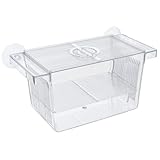
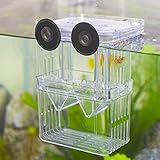
- Top Pick: Pawfly Aquarium Fish Breeding Box Acrylic Hatchery Incubator Tank with Suction Cups Small Isolation Box for Baby Small Fish Shrimp and Betta
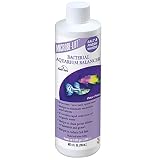
- Best Value: MICROBE-LIFT Bacterial Cleaner and Balancer for Salt and Fresh Water Tanks and Aquariums, Reduces Organic Waste and Prevents New Tank Syndrome, 16 Ounces
- Premium Choice: MICROBE-LIFT Bacterial Cleaner and Balancer for Salt and Fresh Water Tanks and Aquariums, Reduces Organic Waste and Prevents New Tank Syndrome, 8oz
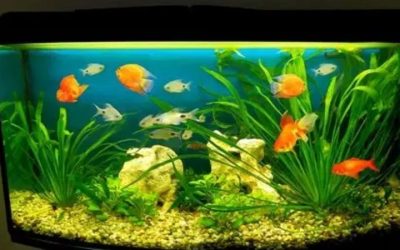
Adding a new fish to a thriving tank feels like a small event, but to the existing residents it is a territorial and biological disruption. Rushed introductions are behind a surprising share of sudden deaths, ich outbreaks, and bullying that beginners blame on bad luck rather than method.
Done correctly, introducing new fish is a calm, staged process of quarantine, acclimation, and careful first-day management. This guide covers each step so newcomers settle in without importing disease, crashing your cycle, or getting torn apart by established territory holders. The whole routine costs little more than patience and a few inexpensive tools.
As an Amazon Associate we earn from qualifying purchases at no extra cost to you.



⚡ Save on Your Next PC — Amazon Prime
Prime members get fast free shipping on the systems above, plus early access to Prime Day & Black Friday PC deals. New members get a 30-day free trial.
Watch: How to Introduce New Fish to an Established Aquarium — Video Review
Step 1: Quarantine Before the Display Tank
Whenever possible, hold new fish in a separate quarantine tank for two to four weeks. This is the single best defense against introducing ich, velvet, or bacterial infections to fish you already own. A simple setup like a Tetra LED Half Moon 1.1-gallon kit works for a single small fish during observation.
- Watch for clamped fins, white spots, rapid breathing, or loss of appetite before promoting a fish to the main tank.
- Feed lightly and change water often, since a bare quarantine tank has little biological filtration.
Step 2: Acclimate to Water Chemistry
Float the bag to match temperature, then drip or gradually mix your tank water over 20-40 minutes so the fish adjusts to your pH and hardness. A sudden swing in parameters stresses fish far more than the move itself, weakening their immune response right when they need it most.
Step 3: Protect the New Arrival
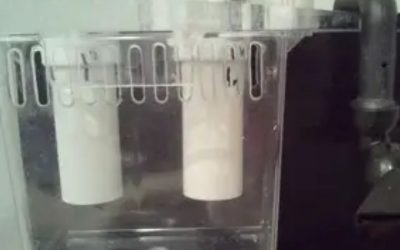
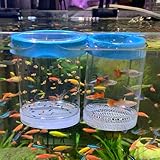
In tanks with territorial fish, a breeding or isolation box lets the newcomer stay visible and safe while everyone adjusts. Acrylic breeder boxes with suction cups keep small or timid fish protected for the first day or two without separating them from the tank’s water and temperature.
Step 4: Rearrange and Support the Tank
Move decor and plants slightly before adding new fish to reset established territories, giving the newcomer a fair start. Adding live plants like Amazon sword or extra hides breaks sightlines and reduces aggression. A dose of a bacterial supplement such as MICROBE-LIFT helps the biofilter absorb the extra bioload.
Tips
- Introduce new fish in the evening with lights off so aggression is lower during the vulnerable first hours.
- Add a small group rather than a single fish for schooling species to diffuse aggression.
- Never add so many fish at once that you overwhelm your biological filtration and spike ammonia.
- Keep your existing fish well fed before introductions so they are less territorial around food.
Frequently Asked Questions
How long should I quarantine new fish?
Two to four weeks is the standard window, long enough for most common diseases to show symptoms before the fish joins your display.
Can I skip quarantine if the fish looks healthy?
Many diseases are invisible during the incubation period, so a healthy-looking fish can still carry ich or velvet. Quarantine is cheap insurance against losing your whole stock.
Why is my established fish attacking the newcomer?
New fish disrupt existing territories. Rearranging decor, adding hides, and introducing at night usually calm things within a few days.
How many fish can I add at once?
Add conservatively, roughly one small fish per 5-10 gallons at a time, so your biofilter can keep up and ammonia stays at zero.
Conclusion
Introducing fish successfully is a sequence, not a single act: quarantine to keep disease out, acclimate to prevent chemistry shock, protect the newcomer from aggression, and support your filter through the added load. Follow those stages and your established aquarium absorbs new arrivals smoothly, growing into a stable community rather than a series of stressful setbacks.

Aquarium Bioload Explained: How Waste Load Really Works
29 Gallon Aquarium Setup Ideas: Depth, Stocking and Cost