Last Updated: October 21, 2026
- Top Pick: Seachem Discus Trace 500 mL / 17 fl. oz.
- Best Value: THE COMPLETE DISCUS FISH HANDBOOK: A Complete Guide to Discus Fish Care, Aquarium Setup, Feeding, Breeding, and Disease Prevention for Beginners and Experienced Aquarists
- Premium Choice: DISCUS FISH HANDBOOK: The Ultimate Guide To Discus Fish Care, Breeding, Selecting, Health Care, Aquarium Setup, And Disease Prevention For Beginners And Advanced Aquarists.
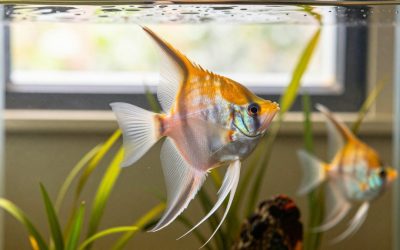
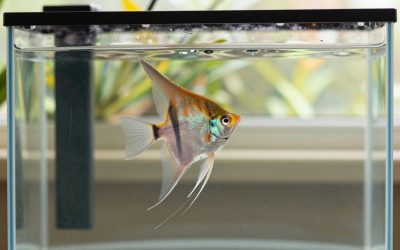
Discus are often called the king of the aquarium, and nothing shows them off like a tea-stained blackwater biotope that mirrors the slow Amazon tributaries they come from. That amber water is more than aesthetics: the tannins it carries gently lower pH, soften water, and release compounds that calm these notoriously shy fish and bring out their richest coloration.
Building a blackwater discus tank in 2026 means combining the right botanicals, targeted mineral supplements, and rock-steady warmth. This roundup covers the products that make the setup repeatable, from Indian almond leaves that create the tint to discus-specific buffers and trace elements that keep water chemistry in the narrow band these fish demand.
As an Amazon Associate we earn from qualifying purchases at no extra cost to you.





⚡ Save on Your Next PC — Amazon Prime
Prime members get fast free shipping on the systems above, plus early access to Prime Day & Black Friday PC deals. New members get a 30-day free trial.
Watch: Guide to Setting Up a Blackwater Aquarium for Discus Fish — Video Review
How to Choose
- Target the right water: Discus thrive at pH 6.0-6.8 and 82-86°F, warmer and softer than most community fish, so pick products built for that range.
- Choose your tint source: Catappa leaves, alder cones, and driftwood all release tannins; leaves are the easiest to dose and replace on a schedule.
- Balance softness with stability: Very soft water can crash in pH, so a discus buffer paired with a mineral additive keeps the tank both acidic and stable.
- Support the slime coat: Trace elements and Indian almond leaves both help discus maintain a healthy protective slime layer that resists disease.
- Read before you stock: Discus are an intermediate-to-advanced fish, so a dedicated care handbook prevents expensive early mistakes.
The Best Picks Reviewed
SunGrow Catappa Indian Almond Leaves (50 pcs)
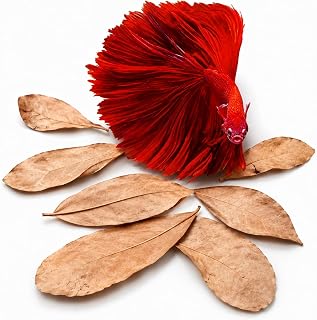
These 2-inch leaves are the workhorse of any blackwater setup, releasing tannins that tint the water and gently condition it for around $7 per pack. A few leaves per 20 gallons, replaced monthly, keep the classic amber color and provide natural antibacterial benefits.
Seachem Discus Buffer
This $15 buffer locks pH into the acidic 6.0-6.8 zone discus prefer and helps soften water at the same time. It is the safety net that prevents the pH crashes soft, low-mineral water is prone to.
Seachem Discus Trace
At around $16 for 500 mL, this supplement restocks the trace elements that reverse osmosis and frequent water changes strip out. Consistent dosing supports growth, color, and the slime coat that keeps discus resilient.
Discus Minerals Concentrated Additive
This $8 mineral additive rebuilds the general hardness that very soft blackwater lacks, giving discus the calcium and magnesium they need without pushing pH out of range. It pairs naturally with a buffer for a complete chemistry program.
The Complete Discus Fish Handbook
For $15 this handbook covers aquarium setup, feeding, and health in one place, making it the reference that ties the whole blackwater project together. It is especially useful for diagnosing the subtle stress signs discus show before problems escalate.
Frequently Asked Questions
Do blackwater tanks need special filtration?
Standard filtration works, but avoid heavy chemical media like activated carbon, which strips the very tannins you are adding for the blackwater effect.
How dark should the water be?
Aim for a light-to-medium tea color. It should be tinted but still clear enough to see your discus comfortably across the tank.
Will tannins harm my discus?
No, the opposite. Tannins mildly lower pH and offer antibacterial benefits that discus evolved with, which is why blackwater often reduces stress and disease.
How often do I replace the leaves?
Most keepers swap Catappa leaves every three to four weeks as they break down and their tint fades, topping up to maintain color.
Final Thoughts
A blackwater discus tank rewards patience with some of the most striking fish in the hobby. Start with Indian almond leaves for the tint, hold your chemistry with a discus buffer and mineral additive, and keep trace elements topped up for color and slime-coat health. Combine that with steady heat in the mid-80s and you recreate a slice of the Amazon that discus reward with bold, glowing color.

Aquarium Brine Shrimp Hatchery Kit

5 Best Fish Disease Treatments and Medications: A Complete Buyer’s Guide