Last Updated: September 28, 2026
This pond aerator buying guide for beginners keeps things simple: what aeration actually does for a pond, the few types you will meet, how to read the specs without being misled, and what an aerator really costs to run before you spend anything.
As an Amazon Associate we earn from qualifying purchases.
By David Nguyen
How a Pond Aerator Fits Your Pond
Before buying, it helps to know what an aerator does and how its numbers work. Aeration adds oxygen and moves water, but the specs on the box only make sense once you understand a few basics, which this section covers so the choice feels less like guesswork. Take them in order and each spec on the box starts to earn its place.
What Aeration Does for a Pond
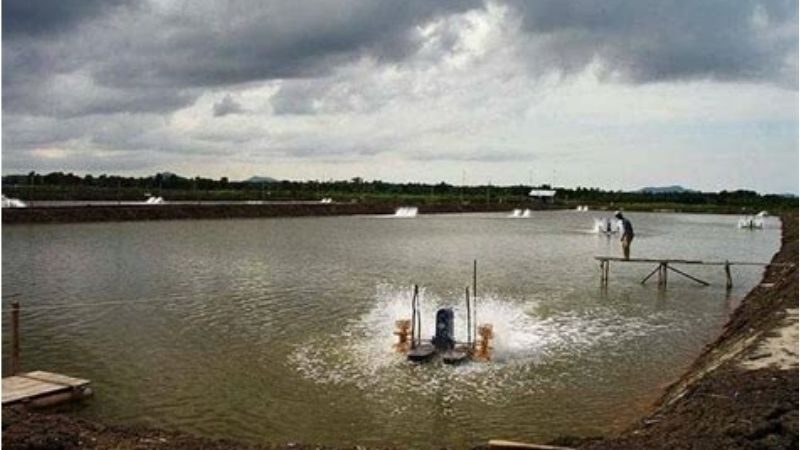
An aerator adds oxygen to the water and keeps it moving, which supports fish, helps break down waste and reduces the still spots where problems start. It is one of the basic tools of a healthy pond. Kept in good order it quietly supports everything else the pond needs.
It is support, not magic. Aeration works alongside filtration, shade and sensible stocking, so think of it as one helpful pillar rather than a single fix, which sets realistic expectations before you buy. Set that expectation now and the aerator will not disappoint you later.
The Main Types You’ll See
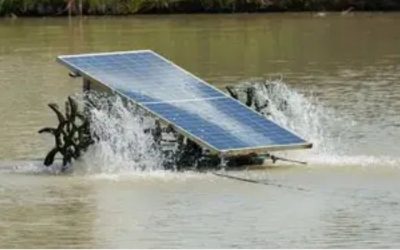
Most beginners meet air-pump systems that feed a diffuser stone on the bottom, plus surface units and solar options. Air-pump-and-diffuser setups are common for oxygenating deeper water, since the bubbles rise through the full column. For most fishponds a bottom diffuser is the dependable starting point.
Each type suits different ponds. A bottom diffuser fed by an air pump fits most fishponds, surface units suit shallow water, and solar suits daytime or off-grid use, so match the type to your pond before the brand. Match the type to the pond first, and brand and price become easy to weigh.
Reading Specs Without Being Fooled
Two numbers matter most: airflow and the pressure or depth it is rated for. A big airflow figure measured at zero pressure can deliver little at your depth, so always read flow together with the depth it assumes. A figure quoted at zero pressure tells you little about your actual depth.
Gallon ratings are a rough guide, not a promise, since they assume an ideal depth and shape. Use them to build a shortlist, then check depth and pressure, and you will avoid the specs that flatter on paper only. Used as a shortlist rather than a verdict, the gallon rating stays useful.
What It Costs to Run
Because it runs continuously, an aerator’s power draw is a real cost. A small 4.5W pump uses around 39 kWh a year, while a 6W two-outlet unit is closer to 53 kWh, so the wattage on the box translates into an annual figure. Counting that annual figure beside the price shows the true running cost.
Wear parts add to the total over time. Rebuild kits for some pumps are inexpensive, so factor both power and parts into the cost, not just the purchase price, to see what the aerator truly costs to own. Cheap, available spares are what keep a pump affordable over the long run.
What Buying One Looks Like in Practice
With the basics clear, buying comes down to a few practical steps: size it to the pond, set a realistic budget, install and place it well, then keep it running. The table gives beginner-friendly ranges, the warning signs to watch, and what to do, so the first purchase goes smoothly.
| Factor | Normal Range | Watch-out Threshold | What to Do |
|---|---|---|---|
| Pond volume | Match rating as a start | Rating used as the only guide | Confirm depth and shape too |
| Max depth | Pump rating covers it | Diffuser deeper than pump reach | Check pressure for the depth |
| Power draw | A few watts, continuous | Large pump on a small pond | Right-size to the need |
| Noise | Low dBA near seating | Loud hum by a patio | Pick low dBA; place and damp |
Sizing to Your Pond
Size begins with volume, then depth and shape refine it. Use the gallon rating to build a shortlist, then confirm the pump has the pressure for your deepest point and enough outlets for your layout. Confirming both after the gallon step keeps a first purchase from arriving weak.
Skipping depth is the beginner trap. Two ponds of equal gallons can need different pumps, so a quick depth and shape check after the gallon step keeps the first purchase from arriving underpowered. Two ponds of equal gallons can still want different pumps once depth is counted.
Setting a Realistic Budget
Budget for more than the sticker. Add the annual power the wattage implies and the cost of wear parts over time, since a cheap pump with expensive or scarce spares can cost more across a few years than a dearer one. For a pond you plan to keep, cheap available spares usually win on value.
A sensible budget weighs purchase, running cost and parts together. For a pond you plan to keep, a pump with cheap, available spares is often the better value even if it costs a little more at the start. A rebuildable pump with stocked parts often costs less across the years.
Installing and Placing It
Keep the pump above the waterline in a sheltered but ventilated spot, with a check valve inline so water cannot flow back if it stops. Set the diffuser to spread movement across the pond, favoring the deeper zones. A check valve inline protects the pump if it ever stops unexpectedly.
Placement affects both safety and noise. A damped base away from seating keeps the hum down, and a check valve protects the pump, so a few minutes on installation prevents common first-time problems. A few minutes on placement saves hours of troubleshooting later on.
Keeping It Running
Maintenance is light but real. Watch for weak airflow, which often means a clogged diffuser, a kinked airline or a stuck check valve before it means a worn diaphragm, so check the simple things first. Cleaning the diffuser and airline first solves most weak-airflow scares.
Keep a compatible rebuild kit in mind for later, since diaphragms wear eventually. Cleaning the diffuser and checking the airline periodically keeps the aerator working and delays any need for parts. Keeping a compatible kit in mind means later wear is a quick, cheap fix.
Frequently Asked Questions
Beginners commonly ask what an aerator does, what size they need, how much it costs to run, and what to avoid. Each answer gives the simple rule first, then the detail that adjusts it for your particular pond, so a first purchase feels manageable. Take them one at a time and a first purchase stops feeling like a gamble.
What does a pond aerator do?
It adds oxygen to the water and keeps it moving, which supports fish, helps break down waste and reduces still, low-oxygen spots. It is a basic tool for a healthy pond rather than a cure for any single problem. Paired with the other basics it makes a clear, steady difference to the water.
Think of it as one pillar alongside filtration, shade and sensible stocking. Used together with those, aeration makes a clear difference; expected to fix everything alone, it will fall short, so set expectations early. Treat it as one pillar among several and the expectations stay realistic.
What size do I need as a beginner?
Start with the gallon rating as a shortlist, then confirm depth and shape. Volume narrows the field, depth sets the pressure the pump must beat, and shape decides how many diffusers you need for even coverage. Matching outlets to the layout is what turns even coverage into reality.
Avoid choosing on gallons alone. A quick check that the pump’s pressure covers your deepest point and its outlets suit your layout turns the rating into a reliable guide rather than a gamble on the first purchase. That quick depth-and-shape check turns the rating into a reliable guide.
How much does it cost to run?
Less than many expect, but it is continuous. A small 4.5W pump uses about 39 kWh a year and a 6W two-outlet unit around 53 kWh, so the wattage on the box gives a fair estimate of the annual power cost. Adding wear parts to that gives the full cost of owning the pump over time.
Add wear parts to get the full picture. Rebuild kits for some pumps are inexpensive, so counting power plus parts, not just purchase price, shows what the aerator really costs to own over the years you run it. Counting power plus parts, not just price, shows what it truly costs to keep.
What should a beginner avoid?
Avoid sizing by gallons alone, comparing airflow numbers measured differently, and expecting aeration to cure algae by itself. Each is a common trap that leads to an underpowered pump or an unmet expectation. Those three habits head off nearly every first-time mistake before it starts.
Instead, check depth and shape, compare specs at matched conditions, and treat aeration as support within a healthy system. Those three habits prevent nearly all the mistakes beginners make on a first aerator. Check depth and shape, compare fairly, and treat aeration as support, not cure.
Final Thoughts
As a pond aerator buying guide for beginners, the message is simple: understand that aeration supports a pond rather than fixing it, size by volume plus depth and shape, read specs at matched conditions, and count power and parts in the cost. Do that and a first purchase will serve the pond well.
Related Reviews & Guides

Quick Picks: Best Aquarium Gravel Vacuum Siphon Cleaners
Best Collapsible Fish Pond With Drain Valve: Top Compared