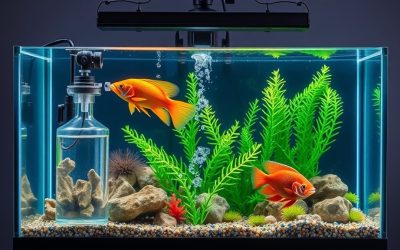
Last Updated: October 17, 2026
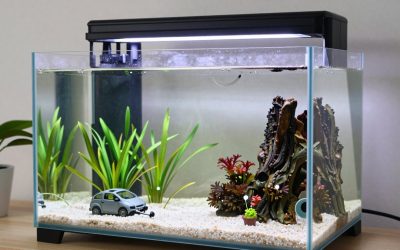
Aquarium basics come down to three things: choose a tank large enough to stay stable (20 gallons is a forgiving starting size), cycle the water so beneficial bacteria can process fish waste before you add fish, and then stock slowly and keep up with weekly partial water changes. Most beginner failures come from adding fish to an uncycled tank, overfeeding, or overcrowding.
This guide explains how to start an aquarium step by step, what equipment a beginner aquarium setup really needs, how the nitrogen cycle works in plain terms, and a simple maintenance routine. Expect the full process, from empty tank to first fish, to take about four to eight weeks.
Key takeaways
- Bigger is easier: a 20-gallon tank holds steadier temperature and water quality than a 5-gallon tank.
- Cycle the tank first. Ammonia and nitrite should both read 0 ppm before you add fish.
- Always treat tap water with a dechlorinator that also handles chloramine.
- Add fish a few at a time over several weeks, and feed only what they eat in about two minutes.
- Change 20-25% of the water weekly and keep a liquid test kit on hand.
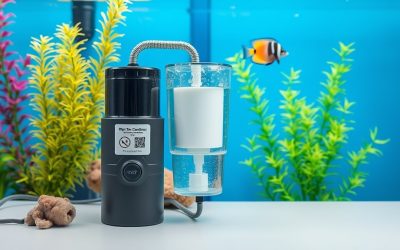
Quick answer: Our top pick in 2026 is the Extra equipment — our #1 rated choice. See the full ranked comparison, alternatives and buying advice below.
Aquarium Basics: How a Healthy Tank Works
An aquarium is a small, closed ecosystem. Fish produce ammonia through waste and respiration, and leftover food breaks down into ammonia as well. In open water, that gets diluted; in a tank, it builds up. Beneficial bacteria living in the filter media, gravel and decorations convert ammonia into nitrite, then nitrite into nitrate. Ammonia and nitrite are toxic to fish even at low levels, while nitrate is far less harmful and is removed through water changes and plant growth.
This process is called the nitrogen cycle, and “cycling” a tank means growing enough of these bacteria to keep up with the fish you plan to keep. Every other aquarium basic, from filter choice to feeding, supports this cycle.
Freshwater or Saltwater for a First Tank?
For most beginners, freshwater is the better start. Saltwater tanks can be stunning, but they add more equipment, more measurements and less room for error.
| Factor | Freshwater community tank | Saltwater fish-only or reef tank |
|---|---|---|
| Extra equipment | Filter, heater, light | Adds salt mix, refractometer, powerheads, often a protein skimmer and RO/DI water |
| Parameters to track | Ammonia, nitrite, nitrate, pH, temperature | All of those plus salinity; reefs add calcium, alkalinity and magnesium |
| Running cost | Low | Moderate to high |
| Forgiveness of mistakes | Fairly forgiving | Less forgiving, especially with corals |
| Best for | First-time keepers | Hobbyists with freshwater experience |
A year with a freshwater tank teaches the habits, such as regular water checks and patient stocking, that make a later saltwater tank far more likely to succeed.
Beginner Aquarium Setup: Equipment Checklist
| Item | What to look for | Why it matters |
|---|---|---|
| Tank | 20 gallons (long or high), glass or acrylic, with lid | More water dilutes mistakes; a lid prevents jumping and evaporation |
| Stand | Rated for the full weight; a filled 20-gallon setup weighs over 200 lb | Water weighs about 8.3 lb per gallon, plus substrate and glass |
| Filter | Rated for the tank size or larger; hang-on-back, sponge or small canister | Home for beneficial bacteria and keeps water moving |
| Heater | Adjustable, about 3-5 watts per gallon (roughly 75-100W for 20 gallons) | Tropical fish typically need about 74-80°F held steady |
| Thermometer | Separate from the heater | Catches heater failures early |
| Substrate | Gravel or sand, about 1-2 inches deep | Surface for bacteria and plant roots |
| Light | LED sized to the tank, on a timer for 6-8 hours | Shows off fish and plants; too long encourages algae |
| Water conditioner | Removes chlorine and chloramine | Tap water treatment is essential for fish and bacteria |
| Liquid test kit | Ammonia, nitrite, nitrate and pH | The only way to know when the tank is cycled |
| Maintenance tools | Gravel vacuum, dedicated bucket, algae scraper, net | Makes weekly care quick |
How to Start an Aquarium, Step by Step
- Pick the location. Choose a level, sturdy spot away from direct sunlight, heaters and drafty doors, near an outlet. Why: sunlight drives algae and temperature swings, and a filled tank is very hard to move.
- Rinse and place the substrate. Rinse gravel in a bucket until the water runs mostly clear, then spread it 1 to 2 inches deep. Never use soap. Why: dust clouds the water, and soap residue harms fish.
- Add decorations and hardscape. Use aquarium-safe rock and wood. Why: placing them before water is easier and avoids scratching the glass.
- Install the filter and heater. Position the heater near the filter outflow for even heat. Do not plug the heater in until it is underwater.
- Fill with treated water. Fill slowly over a plate or bag to avoid disturbing the substrate, and dose water conditioner for the full tank volume.
- Start the equipment. Plug in the filter, then the heater after it has sat in the water for about 15-30 minutes to adjust. Set the temperature and confirm with the thermometer over 24 hours.
- Add live plants (optional but helpful). Hardy plants such as Java fern, anubias and cryptocorynes absorb nitrate and compete with algae.
- Cycle the tank. Follow the fishless cycling steps below. This is the step most beginners skip, and the one that matters most.
- Add the first fish. Once the cycle is complete, add a small group of hardy fish, then wait two to three weeks before adding more.
Cycling Your First Fish Tank
Fishless cycling uses an ammonia source instead of live fish, so no animals are exposed to toxic water while bacteria grow.
- Add a source of ammonia: pure aquarium ammonia dosed to about 2 ppm, or a pinch of fish food every day or two.
- Check ammonia and nitrite every two to three days with a liquid kit.
- After one to three weeks, ammonia starts to fall and nitrite rises. Keep feeding ammonia.
- Later, nitrite falls and nitrate appears. This means the second group of bacteria is established.
- The tank is cycled when it can turn 2 ppm ammonia into 0 ppm ammonia and 0 ppm nitrite within 24 hours.
- Do a large water change to bring nitrate down, then add fish within a day or two so the bacteria have food.
Bottled bacteria products can shorten the process, and borrowing used filter media from a healthy, established tank can speed it up further. Either way, rely on your test results, not the calendar.
| Parameter | Target | Act if |
|---|---|---|
| Ammonia | 0 ppm | Any reading above 0 in a cycled tank |
| Nitrite | 0 ppm | Any reading above 0 |
| Nitrate | Under 20-40 ppm | Above 40 ppm: increase water changes |
| pH | Stable, often 6.5-7.8 for common community fish | Sudden swings; stability matters more than an exact number |
| Temperature | 74-80°F for most tropical species | Swings of more than 2-3°F in a day |
Choosing and Adding Your First Fish
Research every species before you buy it: adult size, temperament, preferred temperature and whether it needs a group. Hardy starter choices for a 20-gallon tank include small schools of zebra danios, harlequin rasboras or white cloud mountain minnows (for cooler, unheated setups), a group of corydoras catfish for the bottom, or a single male betta with peaceful tankmates chosen with care.
- Add fish gradually. Start with three to six small fish, then wait two to three weeks while you check ammonia and nitrite.
- Acclimate slowly. Float the bag for about 15 minutes to match temperature, then add small amounts of tank water over another 15-30 minutes before netting the fish into the tank.
- Avoid common beginner traps. Common goldfish and plecos sold as babies can outgrow small tanks quickly, and some species are aggressive or need very specific water.
- Feed lightly. Offer only what the fish finish in about two minutes, once or twice a day. Uneaten food becomes ammonia.
If fish look unwell, check your water parameters first, then consult an experienced local fish store or an aquatic veterinarian before using any medication.
Simple Maintenance Routine
| Frequency | Task |
|---|---|
| Daily | Feed, check temperature, count fish and look for unusual behavior |
| Weekly | Change 20-25% of the water with a gravel vacuum, wipe algae from the glass, top off with conditioned water |
| Every 2-4 weeks | Rinse filter media in removed tank water (never tap water), trim plants |
| Monthly | Check ammonia, nitrite, nitrate and pH; inspect heater and tubing |
| Every few months | Clean filter tubes and impeller; replace only the parts of media that are falling apart |
Gear That Helps
API Freshwater Master Test Kit
Liquid reagents · tests ammonia, nitrite, nitrate and pH · about 800 tests. The standard way to know when your tank is cycled and to catch problems early. Budget tier.
Seachem Prime
Removes chlorine and chloramine · concentrated dose · temporarily binds ammonia and nitrite. A popular conditioner for every water change. Budget tier.
AQUANEAT Aquarium Bio Sponge Filter (Large up to 60 Gal)
Air-driven sponge · gentle flow · large surface for bacteria. A simple, low-maintenance filter or backup for a 20-gallon tank; requires an air pump. Budget tier.
hygger Small Aquarium Heater
Adjustable · LED temperature display · multiple wattage options. Choose the 100W version for a 20-gallon tank in a cool room. Budget tier.
Frequently Asked Questions
What size tank is best for a beginner?
A 20-gallon tank is a forgiving start. It holds stable temperature and water quality better than small tanks, gives more stocking options, and still fits on most sturdy furniture rated for the weight.
How long does it take to set up an aquarium before adding fish?
Plan on about four to eight weeks for a fishless cycle. The tank is ready when it converts 2 ppm ammonia to 0 ppm ammonia and nitrite within 24 hours, which you confirm with a test kit.
Can I add fish the same day I set up the tank?
It is not recommended. An uncycled tank cannot process waste, so ammonia and nitrite rise quickly. Cycle the tank first, or at minimum use established filter media and stock very lightly with frequent checks.
How often should I change aquarium water?
Change about 20-25% weekly for a typical community tank. Lightly stocked, heavily planted tanks may need less, and crowded tanks may need more; let nitrate readings guide you.
Do I need a heater in my fish tank?
Most popular tropical fish need steady temperatures around 74-80°F, which usually requires a heater. Some species, such as white cloud mountain minnows, are comfortable at cooler room temperatures.
Should I clean the filter with tap water?
No. Chlorine and chloramine in tap water can kill the beneficial bacteria. Rinse filter media gently in tank water removed during a water change instead.
What are the most common aquarium basics mistakes?
Skipping the cycle, overfeeding, adding too many fish at once, choosing fish that outgrow the tank, and cleaning the filter too aggressively. Each one disrupts the bacteria that keep the water safe.
Ready to decide? Our #1 pick for 2026 is the Extra equipment.
Live price & availability on Amazon.
Related Reviews & Guides
Fish Tank Nitrogen Cycle Guide: How to Cycle Your Aquarium Safely
Fish Quarantine Tank Setup: Complete Beginner Guide