Last Updated: October 21, 2026
- Watch: How to Set Up a Low-Tech Planted Tank on a Budget — Video Review
- Choosing the Right Light for a Low-Tech Setup
- Substrate: The Foundation Plants Actually Feed On
- Picking Plants That Don’t Need CO2
- Filtration, Flow, and Keeping It Simple
- Getting the Setup Sequence Right
- Tips
- Frequently Asked Questions
- Conclusion
- Related Articles
- Related Guides
- Top Pick: FZONE Solo Series Nano LED Aquarium Light, Full Spectrum and Dimmable, App-Controlled, for Freshwater and Planted Tanks
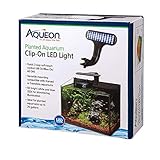
- Best Value: Aqueon Clip-On LED Fish Tank Light for Planted Aquariums, Up to 20 Gal
- Premium Choice: FZONE Aquarium Light for Plants, 60W LED Fish Tank Light for 35-43", Full Spectrum with APP Control, Timer & Sunrise/Sunset (Light 90)
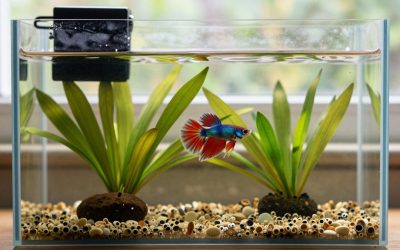
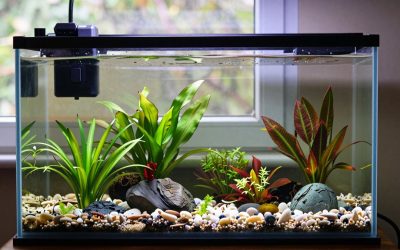
Low-tech planted tanks skip the pressurized CO2 and complicated dosing charts, relying instead on modest lighting, root tabs, and hardy plant species that thrive on patience rather than equipment. It’s the most budget-friendly way into the hobby, and in 2026 there are more affordable light fixtures and beginner-friendly guides than ever to make the process nearly foolproof.
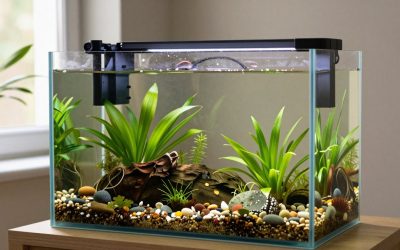
You can build a genuinely lush 10 to 20 gallon planted tank for well under $200 if you choose the right gear from the start and avoid impulse-buying equipment you don’t need. Below is a practical roadmap, along with a few products worth having on hand before you start.
As an Amazon Associate we earn from qualifying purchases at no extra cost to you.



⚡ Save on Your Next PC — Amazon Prime
Prime members get fast free shipping on the systems above, plus early access to Prime Day & Black Friday PC deals. New members get a 30-day free trial.
Watch: How to Set Up a Low-Tech Planted Tank on a Budget — Video Review
Choosing the Right Light for a Low-Tech Setup
Light is the one place where cutting corners backfires fastest. Too much light without CO2 invites algae; too little stalls plant growth entirely. Aim for a full-spectrum LED you can dim to roughly 30-50% intensity for 7-8 hours a day.
- For nano tanks under 10 gallons, a compact fixture like the FZONE Solo Series Nano LED gives you app-controlled dimming so you can dial in low-tech intensity precisely.
- For a quick, no-fuss option on tanks up to 20 gallons, the Aqueon Clip-On LED is inexpensive and clips directly onto the rim, no mounting hardware needed.
- If you’re running a longer tank in the 35-43 inch range, the FZONE 60W (Light 90) covers that footprint with a built-in timer and sunrise/sunset fade, which helps fish stress less at lights-on.
Substrate: The Foundation Plants Actually Feed On
In a low-tech tank, substrate does more work than in a CO2-injected setup because it’s often the main nutrient source. A nutrient-rich planting substrate capped with fine gravel or sand is the cheapest long-term investment you’ll make.
- Budget 1.5 to 2 lbs of substrate per gallon for adequate depth (2-3 inches).
- Push root tabs under heavy root-feeders like swords and crypts every 2-3 months.
- Avoid pure gravel with no nutrient layer unless you plan to rely entirely on liquid fertilizer.
Picking Plants That Don’t Need CO2
Stick to species that evolved to grow slowly in low-light, low-carbon conditions. These are also the most forgiving for a first-timer’s inevitable mistakes.
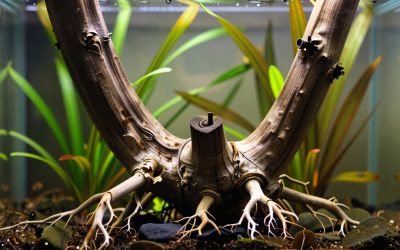
- Anubias and Java fern (tie to driftwood or rock, don’t bury the rhizome)
- Cryptocoryne wendtii (tolerates low light and rough handling)
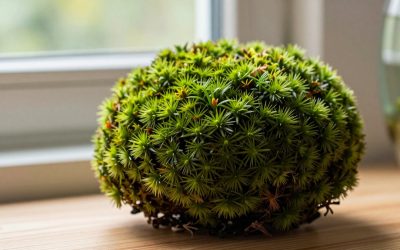
- Java moss and Christmas moss for foreground texture
- Amazon sword for a low-tech centerpiece plant
Filtration, Flow, and Keeping It Simple
A hang-on-back filter rated for your tank’s gallon size is sufficient for most low-tech setups. You don’t need a canister filter or extra flow, since low-tech tanks generally run lighter fish loads and slower plant metabolism.
- Rinse filter media in old tank water, never tap water, to preserve beneficial bacteria.
- Keep flow gentle. Strong currents can shred delicate plants like moss.
- Skip the air stone unless your fish load is heavy; plants and filter flow usually provide enough surface agitation.
Getting the Setup Sequence Right
Order matters more than people expect. Rushing the first few weeks is the most common reason new low-tech tanks develop algae blooms or melt their plants.
- Fill substrate, hardscape, then plant before adding water to avoid disturbing roots.
- Let the tank run fishless for at least 2 weeks while plants establish and the nitrogen cycle kicks in.
- Books like The No-CO2 Planted Aquarium lay out a structured 6-week plan that’s worth following step by step if this is your first tank.
Tips
- Dose a liquid all-in-one fertilizer weekly even with root tabs, since floating and stem plants can’t reach substrate nutrients.
- Do a 20-30% water change weekly for the first two months to keep algae-feeding nutrients in check.
- Resist adding fish until you see 2-3 weeks of stable ammonia and nitrite readings at zero.
- Trim stem plants regularly; leggy, shaded growth is what invites algae to take over.
Frequently Asked Questions
Can I really build a nice planted tank for under $200?
Yes, if you prioritize substrate and lighting over gadgets. A 10-20 gallon tank, basic LED, nutrient substrate, and hardy plants typically lands between $120 and $180 depending on tank size. Guides like Zero-Stress Aquascaping walk through exactly this kind of budget build.
Do I need CO2 injection eventually?
Not for the plant list above. CO2 helps with faster-growing, higher-light species, but a well-run low-tech tank can stay algae-free and lush indefinitely without it.
How much light is too much for a low-tech tank?
If you’re seeing green or brown algae film within days of a water change, dim the light or shorten the photoperiod by an hour. Most low-tech tanks do well around 30-50% of a fixture’s max output.
What’s the biggest mistake beginners make?
Overstocking fish and overfeeding before the tank has matured. Resources like Mastering Aquascaping for First-Time Hobbyists emphasize a maintenance schedule from day one, which prevents the nutrient swings that cause most early failures.
Conclusion
A low-tech planted tank rewards patience and good fundamentals over expensive equipment. Get the substrate, lighting, and plant selection right, follow a slow setup sequence, and you’ll have a thriving, low-maintenance aquascape that costs a fraction of a CO2-injected system to run.
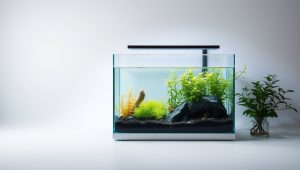
6 Best Planted Aquarium Backgrounds 2026
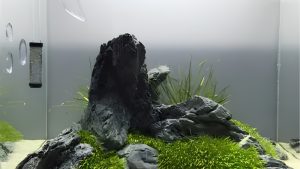
Best Aquarium Sand for Planted Tanks: Ultimate Top Guide