Last Updated: October 21, 2026
- Top Pick: The Planted Aquarium: A Complete Beginner's Guide to Aquascaping, Plants, Livestock, and a Thriving Freshwater Ecosystem
- Best Value: Live Aquarium Plants Bundle – Freshwater Tank, Low to Medium Light Setup
- Premium Choice: Fish Tank Setup & Care: Beginner’s Guide to Freshwater Aquariums: Step-by-Step Cycling, Equipment, Water Chemistry, Plants, Stocking & Troubleshooting … Low-Maintenance Community Displays
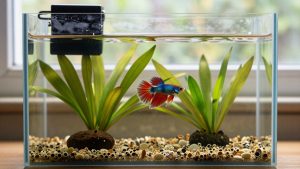
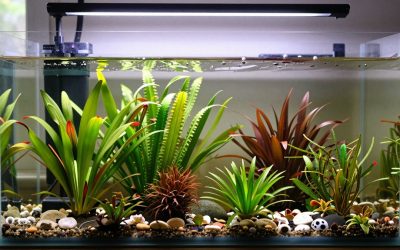
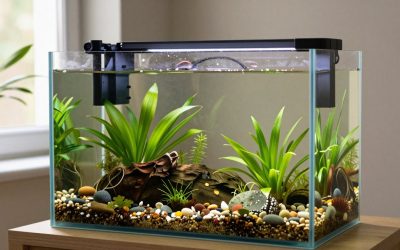
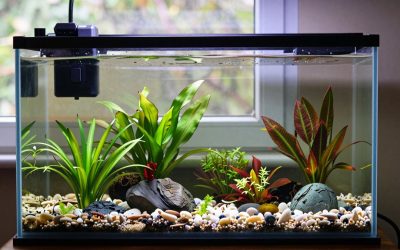
A low-maintenance planted aquarium sounds like a contradiction, but it is entirely achievable if you design for it from day one. The secret is not neglect; it is choosing hardy plants, the right substrate, and a stocking level that lets the tank find a natural balance. Get those choices right and you can enjoy a lush green tank that needs little more than weekly top-ups and monthly trims.
This guide walks you through building a genuinely low-effort freshwater planted tank in 2026, from substrate to plant selection to the maintenance rhythm that keeps it easy. It leans on proven resources like The Planted Aquarium beginner’s guide and hardy live plants such as Java Fern to set you up for long-term success.
As an Amazon Associate we earn from qualifying purchases at no extra cost to you.





⚡ Save on Your Next PC — Amazon Prime
Prime members get fast free shipping on the systems above, plus early access to Prime Day & Black Friday PC deals. New members get a 30-day free trial.
Watch: How to Set Up a Low-Maintenance Freshwater Planted Aquarium — Video Review
Start With the Right Substrate
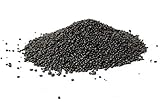
Your substrate feeds the plants, so this is where low-maintenance tanks are won or lost. A nutrient-rich planted substrate like the Hewnda complete freshwater planted substrate gives root-feeders what they need without you dosing fertilizers constantly. Lay it about 1.5 to 2 inches deep so roots have room, and if you want a cleaner look, cap a nutrient layer with fine gravel. Avoid inert-only gravel unless you are prepared to add root tabs regularly.
Choose Plants That Thrive on Neglect
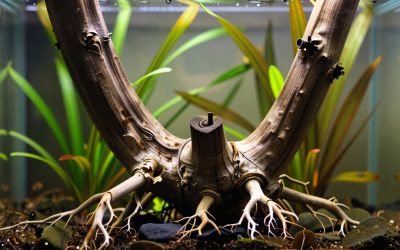
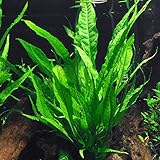
- Java Fern: Attaches to wood or rock, tolerates low light, and needs no special care, making the Java Fern bare root a cornerstone plant.
- Anubias: Slow-growing, tough, and low-light tolerant; tie it to hardscape rather than burying the rhizome.
- Cryptocoryne: Root-feeders that establish and then quietly fill in the midground.
- A starter bundle: A live plant bundle for low-to-medium light setups gives you a ready mix of easy species in one purchase.
Skip the CO2, Keep the Light Modest
The single biggest driver of maintenance is light. High light without CO2 injection is a recipe for algae, so a low-tech tank should run moderate light on a timer for 6-7 hours a day. A resource like The No-CO2 Planted Aquarium lays out this philosophy well: match modest lighting to hardy plants and let growth stay slow and manageable. Slow growth means fewer trims and far less algae to battle.
Stock Light and Feed Less
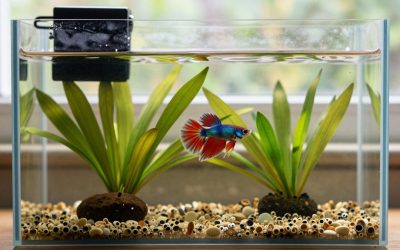
An understocked tank is a stable tank. Fewer fish means less waste, which means fewer water changes and less algae fuel. Add a cleanup crew of snails or shrimp to graze algae and leftover food. Feed sparingly, because uneaten food is the number one cause of the water-quality problems that turn an easy tank into a chore.
Tips
- Put your light on a plug timer so photoperiod stays consistent without you thinking about it.
- Do a small 20% water change weekly rather than a big one monthly; it is easier and gentler.
- Add a few Amano shrimp or nerite snails as living algae control.
- Resist adding fish quickly; let plants establish for two to three weeks first.
Frequently Asked Questions
Do low-maintenance planted tanks need CO2?
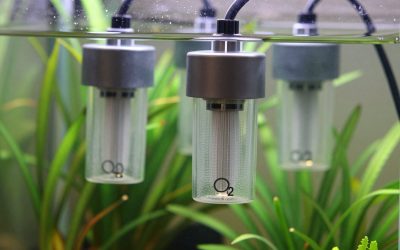
No. Skipping CO2 is central to the low-tech approach. Pair hardy plants with moderate light and you get healthy growth without the equipment and dosing CO2 requires.
What are the easiest aquarium plants for beginners?
Java Fern, Anubias, and Cryptocoryne are the classic trio. They tolerate low light, do not need CO2, and largely take care of themselves once established.
How often do I really need to do maintenance?
A small weekly water change and top-up, plus a monthly trim and glass clean, is enough for most low-tech planted tanks that are lightly stocked.
Why is my new planted tank growing algae?
Usually too much light, too many nutrients from overfeeding, or an immature tank. Shorten the photoperiod, feed less, and add algae-grazing shrimp or snails.
Conclusion
A low-maintenance planted aquarium is really a series of good early decisions: a nutrient substrate, hardy plants like Java Fern and Anubias, modest light on a timer, and light stocking. Set it up this way, resist the urge to overstock or overfeed, and you will spend your time enjoying a thriving green tank instead of fighting it.

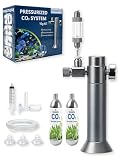
Aquarium Co2 System Planted Tank
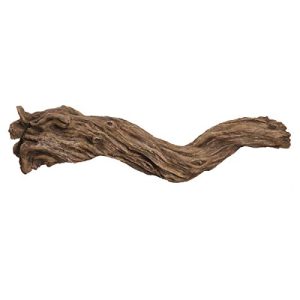
How to Create a Stunning Aquascape with Driftwood and Rocks