Last Updated: October 9, 2026
Bristlenose Pleco Tank Mates: Bottom-Space Compatibility
A bristlenose pleco does not disappear into the background after cleaning the glass. It is a substantial bottom resident that needs a refuge, appropriate food, oxygen and room to turn; adults may defend caves, and their waste changes the aquarium’s carrying capacity. Selecting bristlenose pleco tank mates begins below the waterline most compatibility charts ignore: who owns the floor after lights out?

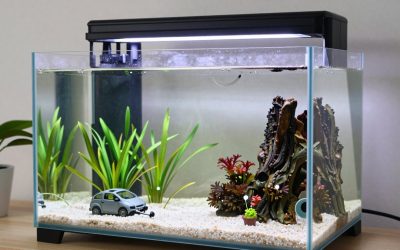
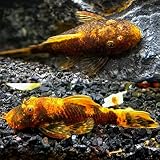
Editorial illustration; not evidence for species identification.
As an Amazon Associate we earn from qualifying purchases at no extra cost to you.




Confirm which Ancistrus you have
“Bristlenose” covers multiple Ancistrus species, domestic forms and fish sold without a precise locality. Size, pattern and behavior are not perfectly interchangeable. Use FishBase’s Ancistrus search and the GBIF species search to check accepted identities and distributions, then ask the breeder for the parent species and expected adult length. Database habitat records are context, not an all-species captive parameter sheet.
Domestic common bristlenose are often maintained in moderate tropical freshwater, but exact temperature, hardness and size depend on identity and stock. Consult our bristlenose pleco care guide and establish the actual care range before comparing candidates. If identification remains uncertain, plan for the larger plausible adult and avoid breeding offspring under a specific label.
Never purchase an unidentified “common pleco” as a substitute. Several suckermouth catfish grow much larger than typical bristlenose and can outgrow household aquariums.
Draw the night-time territory map
Sketch the aquarium footprint and mark caves, wood, filter intakes, feeding pads and narrow passages. A pleco needs at least one secure refuge; multiple plecos need more refuges than fish, separated by sight barriers. Males may defend breeding caves. A tank measured only by litres can be bottom-crowded while the upper half remains empty.
Observe after normal room lights are off using a dim indirect light. Record which fish enter each cave, whether the pleco blocks a corridor, and where sinking food lands. Corydoras or loaches that look peaceful by day may repeatedly cross a defended entrance at night. Compatibility should be assessed across the full activity cycle.
Wood and sturdy surfaces support browsing and shelter. Whether a particular Ancistrus requires wood nutritionally is debated and species-dependent, but including aquarium-safe wood provides useful structure. Keep enough open substrate for bottom schoolers and siphoning; a pile of inaccessible decor can trap waste.
Six resource tests
Temperature
Compare a well-supported captive range for the identified pleco and candidate. Seek overlap away from either limit. Warmer water holds less oxygen, important for a waste-producing bottom community.
Adult dimensions
Check length, body depth and mouth size. The pleco is generally not a fish predator, but large cichlids or catfish may injure or swallow a juvenile pleco. Remember the pleco’s rigid body and fin spines can injure a predator too.
Swimming zone
Midwater schools usually reduce direct territory conflict. Bottom companions spend the same floor-space budget and require more careful mapping.
Temperament
Research nocturnal and breeding behavior. A calm cichlid can become a cave defender; a male bristlenose may guard its entrance. Avoid assumptions from daytime shop displays.
Feeding access
The pleco needs species-appropriate sinking food, plant material and protein balance based on reliable guidance. It cannot survive on algae residue. Candidates must not consume every wafer before darkness.
Chemistry
Compare temperature, GH, KH and pH. Do not mix with hard-water or soft-water specialists simply because both tolerate a broad middle value during transport.
Upper and midwater candidates
Peaceful tetras or rasboras of suitable adult size can be strong matches because they leave caves alone. Choose exact species with overlapping chemistry and temperature, maintain a full school, and protect their horizontal swimming room. Tiny fish may be safe from the pleco but vulnerable to any other large companion.
Calm livebearers may coexist where the identified pleco accepts harder, more alkaline water, but this is not universal. Mollies, platys and swordtails also add fry and substantial waste. Chemistry evidence and future-population capacity must both pass.
Gouramis can use upper levels, yet require open surface access and quieter flow zones. Confirm the pleco’s oxygen needs can be met without turning the entire tank into a current that exhausts a labyrinth fish. Avoid using low flow as a synonym for low oxygen.
Bottom candidates
Corydoras
Corydoras are social foragers, not single cleanup partners. An exact species with compatible temperature may work in a broad footprint. Provide smooth sand and dedicated food, using the Corydoras care guide for group planning. Position the pleco cave away from the Corydoras’ main feeding patch. If a guarding pleco repeatedly charges the school, separation or a layout change is required.
Kuhli loaches
Kuhli loaches occupy crevices and feed in low light, directly overlapping the pleco’s schedule. They may coexist in a larger, highly structured tank with many hides and dispersed feeding, but a small floor creates chronic competition. Cover every gap because kuhli loaches are escape artists.
Another bristlenose
Sex, individual temperament, cave count and footprint determine the risk. Two males may fight; a male and female may breed, generating juveniles that need homes. Keeping multiple animals merely to increase algae grazing is unjustified. One well-fed pleco often makes the clearer welfare plan.
Do not combine
- Large aggressive cichlids: cave competition, biting and attempted predation can injure both fish.
- Other territorial plecos in cramped floor space: separate species can still contest the same wood and shelters.
- Cool, oxygen-demanding fish in an overly warm tank: nominal temperature tolerance does not ensure respiratory safety.
- Pufferfish and habitual fin biters: pleco fins and eyes are vulnerable when it rests.
- Unidentified predatory catfish: night-time swallowing risk may be hidden at purchase size.
- Too many bottom groups: peaceful species can still deny one another food and shelter.
- Any fish relying on the pleco as sanitation: no vertebrate should be stocked as equipment.
Feeding after lights-out without polluting the tank
Use a varied diet formulated for the identified fish, including appropriate sinking staples and vegetable matter. Blanched vegetables can be offered when suitable, secured without metal that may leach, and removed before decomposition. Protein needs vary; do not extrapolate from one Ancistrus profile to all species.
Place modest food near the pleco’s known route shortly after lights dim. At the same time, distract daytime fish with their final small portion elsewhere if needed. Check later that the pleco is feeding, and inspect its abdomen and body condition regularly. A concave belly or persistent weight loss requires investigation rather than more wafers left indefinitely.
Food and pleco feces raise filter demand. Biological media hosts nitrifying organisms but does not make waste vanish; our biological filter media guide explains its role. Siphon debris, preserve mature media during cleaning and maintain circulation behind wood. Ammonia and nitrite should remain undetectable.
Oxygen and load are compatibility factors
Warm water, heavy feeding and a crowded bottom can reduce the safety margin overnight when plants also respire. Maintain surface movement, avoid clogged prefilters and watch respiration before dawn. Rated tank capacity on a filter cannot account for every decor blockage or animal. Assess delivered flow and measured water quality.
If the pleco repeatedly visits the surface, breathes rapidly, or abandons its refuge, test ammonia, nitrite, temperature and oxygen-related conditions promptly. Such behavior may have multiple causes and should not be diagnosed from one sign.
Introduction and separation protocol
Quarantine new fish in a cycled enclosure with suitable hides. Acclimate to the display’s established chemistry gradually and avoid adding multiple bottom species at once. Install caves before introduction, with entrances visible enough for welfare checks but not exposed to constant traffic.
Keep a mature spare tank with an appropriately sized hide, or arrange a secure divider and long-term destination. A divider cannot prevent waterborne disease. Separate if charging prevents another fish feeding, a pleco is displaced from every refuge, rasping or biting damages a companion, or wounds appear. Never pull a pleco from a tight cave by force; move the whole movable shelter when safe or seek experienced help.
The OATA fish-keeper resources provide practical welfare guidance from a trade-body perspective. Persistent injury, bloating, weight loss, abnormal feces, respiratory distress or unexplained decline requires a qualified aquatic veterinarian. An experienced aquatic professional can audit territory, filtration and identification, but medication and diagnosis belong with a veterinarian. Avoid unsupported salt or drug dosing, especially in a mixed community.
Sources
- FishBase Ancistrus records — species identities, sizes and environmental records.
- GBIF Ancistrus search — accepted names and occurrence context.
- Seriously Fish knowledge base — referenced captive profiles for catfish and companions.
- OATA useful fish-keeper information — husbandry, stocking and welfare guidance.
Related Reviews & Guides

6 Best Co2 Systems For Aquarium 2026
Best Led Light for Low Tech Planted Aquarium in 2026: Compared and Ranked