Last Updated: October 4, 2026
- Put the pearl gourami on the map first
- Upper zone: reserve it rather than filling it
- Midwater: select rhythm as carefully as temperament
- Bottom zone: lower conflict does not mean zero conflict
- The compatibility ledger
- Do-not-combine list
- Arrange the first month
- Separation is a design feature
- Sources
- Related Guides
- Top Pick: 4-Pack Pearl Gourami Live Fish for Freshwater Aquariums Peaceful Community Fish with Pearly Spotting Graceful Fins for Added Elegance, Movement, Visual Appeal in Planted and Community Tank Setups
- Best Value: Starfire Red Pearl Gourami 3-3.5" Live Freshwater Aquarium Fish Premium Red
- Premium Choice: Aquarium Plants Discounts Pearl Gourami 2 Inches – Freshwater Live Tropical Fish
Pearl Gourami Tank Mates: Compatibility by Zone
Pearl gouramis do not merely occupy a volume of water; they use a three-dimensional territory centered on the upper level and surface. A companion that looks suitable on a generic chart may still crowd their breathing route, nip their trailing pelvic fins, or consume food before a cautious gourami approaches. The most reliable way to shortlist pearl gourami tank mates is to map where each adult will live, then verify temperature, chemistry, size, temperament and diet.
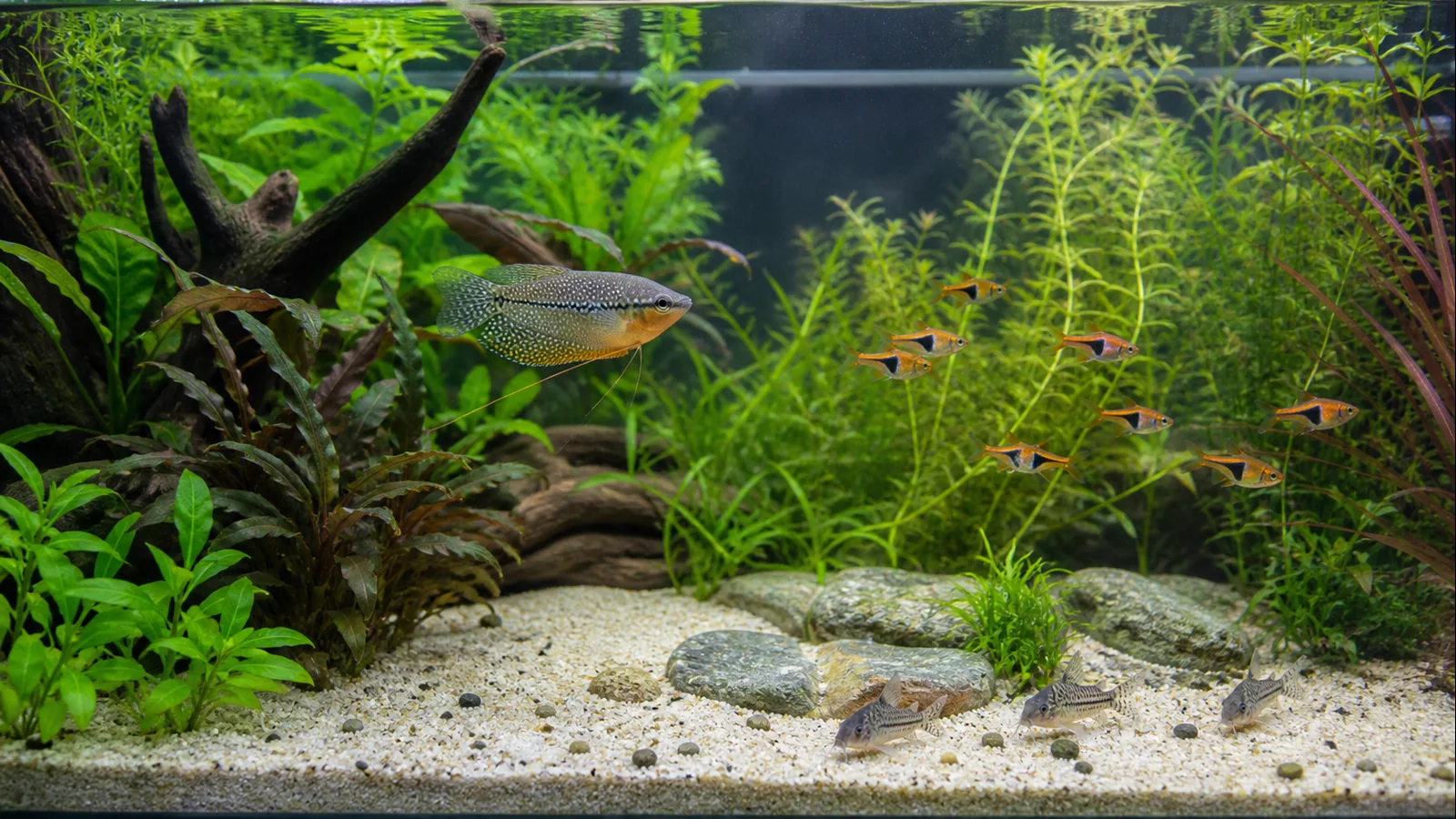
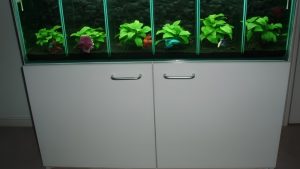
Editorial illustration; not evidence for species identification.
As an Amazon Associate we earn from qualifying purchases at no extra cost to you.
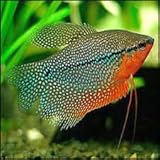


Put the pearl gourami on the map first
The species is Trichopodus leerii, a comparatively substantial gourami with a labyrinth organ and routine need for unimpeded surface access. FishBase reports identity, adult size and environmental records; GBIF adds occurrence and accepted-name context. Wild vegetated, low-flow habitats explain useful design cues, but a wild range is not a universal captive prescription.
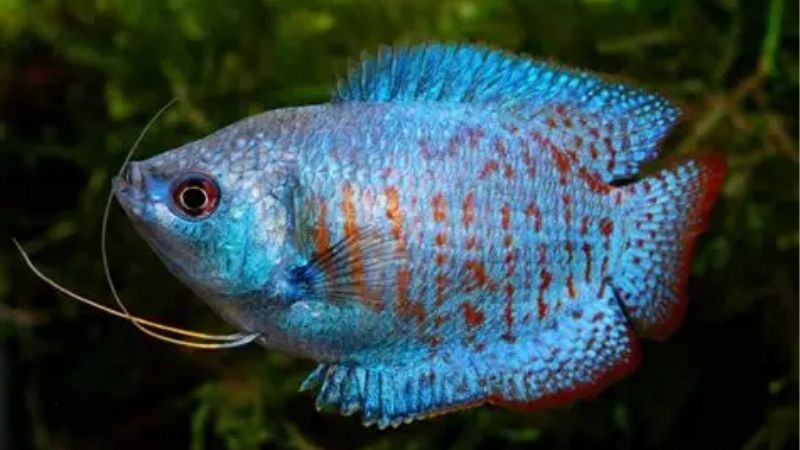
Many captive sources place pearl gouramis in warm tropical water, broadly in the mid-20s°C, with mildly acidic to neutral conditions often favored. Confirm the selected range, adult footprint and group plan in our pearl gourami care guide. Then mark three resources on a sketch: open surface windows, a planted upper retreat, and a calm feeding lane. Any proposed companion must leave those resources usable.
Sex changes the map. A mature male may defend an upper area, especially during reproductive behavior. Two males may tolerate one another in a very large, structured tank yet fight in a footprint that looks generous by litres alone. Females also require escape routes. No sex ratio makes inadequate territory safe.
Upper zone: reserve it rather than filling it
The safest upper-zone strategy is restraint. Avoid another gourami, betta or surface-territorial fish. Similar silhouettes and shared breathing space can provoke displays or prevent a subordinate fish reaching air. Fast surface feeders may not fight, but can still turn the pearl gourami’s meal into a competition.
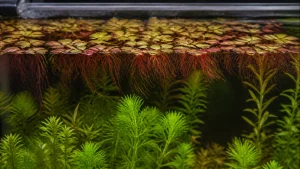
Floating plants can divide sight lines, although a solid mat becomes an obstacle. Leave multiple clear openings and maintain gas exchange. Place filter returns so part of the surface moves while another section remains calm. Never reduce filtration or oxygenation solely to imitate still wild water.
Hatchetfish sometimes appear on compatibility lists because they are peaceful, but they inhabit the same upper band, jump readily and need a secure group and lid. Treat them as an advanced, footprint-dependent option rather than an automatic match. Their feeding access must be evaluated independently.
Midwater: select rhythm as carefully as temperament
Harlequin rasboras
Harlequin-type rasboras offer a useful example of a compatible rhythm: a cohesive school, moderate body size and commonly overlapping warm-water care. They still require their own full group and horizontal length. Review their needs in the harlequin rasbora care guide rather than treating them as background decoration. Feed across a wide area so the school does not intercept everything.
Calm medium-small tetras
Some deeper-bodied, non-nipping tetras can suit a spacious warm community. Research adult size and species behavior. A label such as “community tetra” hides major differences: serpae and similarly assertive species may nip, while tiny tetras can be intimidated or potentially swallowed by a large adult gourami. Keep a proper school and avoid combining several partial schools.
Peaceful rainbowfish or barbs
These are usually weaker choices. Many rainbowfish prefer harder or more alkaline water and are vigorous feeders. Numerous barbs move quickly or nip. A particular species may pass all compatibility tests, but family-level reassurance is not enough. Compare exact temperature, hardness, adult size and swimming speed before purchase.
Bottom zone: lower conflict does not mean zero conflict
Corydoras by exact species
A social Corydoras group can complement pearl gouramis because it works near the substrate. Select a species whose comfortable temperature overlaps, provide smooth sand, and feed it deliberately. Our Corydoras care guide covers their group and substrate requirements. Avoid assuming all Corydoras thrive at the same warm setting.
Kuhli loaches
Kuhli loaches are gentle and secretive. They need a covered aquarium, numerous secure hides, soft substrate and conspecific company. Because they may emerge after the gourami settles, give sinking food at an appropriate time and confirm body condition. A fish that is rarely seen is not necessarily being fed.
Small loricariids
An identified bristlenose-type or smaller loricariid can work in enough space, but adds significant waste and may contest caves or wood with other bottom fish. Supply its diet after lights dim if needed. It is not employed to clean the aquarium, and an unidentified “pleco” may grow far beyond the plan.
The compatibility ledger
Before acquiring a companion, complete a one-line ledger for both species.
| Dimension | Pearl gourami question | Candidate evidence required |
|---|---|---|
| Temperature | Is the chosen setting central, not marginal? | Referenced captive range with comfortable overlap |
| Adult size | Can either fish swallow or overwhelm the other? | Mature standard length and mouth size |
| Zone | Are surface and retreat routes protected? | Normal swimming and breeding zone |
| Temperament | What changes at maturity or spawning? | Species profile plus an exit plan |
| Feeding | Will both receive correct particle types? | Observed meal strategy |
| Chemistry | Do GH, KH and pH needs align? | Source-water tests and breeder history |
The Seriously Fish knowledge base can support species comparisons, but reconcile it with breeder information and the actual aquarium. Broad endpoint overlap is weaker evidence than shared conditions near the middle of both profiles.
Do-not-combine list
- Other adult labyrinth fish in ordinary community footprints: surface competition and visual signaling can escalate.
- Known fin nippers: pearl gouramis present long pelvic fins and a relatively deliberate swimming style.
- Large predatory cichlids or catfish: a calm juvenile can become a capable adult predator.
- Tiny shrimp and fry when survival matters: gouramis are opportunistic feeders.
- Cool, high-flow specialists: a warm compromise and quiet corner do not reproduce their needs.
- Hard-water specialists without chemistry overlap: peaceful conduct cannot protect osmoregulatory welfare.
- Too many schooling species: multiple undersized groups produce crowding without giving any one group security.
Arrange the first month
Quarantine new fish in a cycled system matched to their temperature and chemistry. Introduce only after they feed normally and show no unexplained damage or respiratory change. Finish planting and place sight breaks before adding the gourami. If the pearl gourami is resident, preserve its familiar surface retreat while giving newcomers a neutral midwater route.
For the first month, record three observations daily: position at rest, outcome of a meal, and any pursuit lasting beyond a brief display. Check after lights first come on and near lights-out because conflict can be missed during a midday glance. Monitor ammonia and nitrite after every stocking change, and track nitrate and oxygen-related behavior as total biomass increases.
Use a varied, species-appropriate diet. Floating and slowly sinking food can reach the gourami; separate sinking portions support bottom fish. Do not solve food theft by indiscriminately feeding more. Shift timing, place portions in different zones, or separate incompatible competitors.
Separation is a design feature
Maintain a cycled alternate aquarium with heat and cover, or have a secure divider and a confirmed long-term destination. A divider shares water and is unsuitable where disease transmission is a concern. Separation triggers include repeated nipping, a fish denied surface access, persistent hiding, missed meals, injury, or a male defending most of the tank. Transfer the aggressor or vulnerable fish according to which move causes the least additional stress.
The RSPCA fish-welfare guidance emphasizes suitable environments and observation. If a fish has ulcers, swelling, loss of balance, sustained rapid breathing or unexplained deterioration, consult a qualified aquatic veterinarian. Test water and isolate safely when indicated, but do not improvise medication or dosing. An experienced aquatic professional may help redesign flow, layout or stocking; veterinary diagnosis remains distinct.
Sources
- FishBase pearl gourami summary — identity, adult size and environmental records.
- GBIF Trichopodus leerii search — taxonomy and occurrence context.
- Seriously Fish knowledge base — referenced captive profiles for compatibility comparisons.
- RSPCA fish advice — general welfare and stocking baseline.
Ready to decide? Our #1 pick for 2026 is the Temperature.
Live price & availability on Amazon.
Related Reviews & Guides


How to Choose an Aquarium Air Pump: Complete Buying Guide (2026)
How to Choose Aquarium Tank Footprint in 2026: What Actually Matters