Last Updated: October 4, 2026
- Allocate the upper floor plan
- Water targets are not a challenge course
- Filter for waste without creating a treadmill
- Choose a social arrangement with an exit plan
- Screen tank mates in three dimensions
- Feed for deliberate rather than frantic eating
- Maintain the structure, not just the chemistry
- Related Guides
- Top Pick: PEARL GOURAMI HANDBOOK: Comprehensive Guide to Raising, Caring, and Breeding Pearl Gourami: Expert Tips for Healthy, Vibrant, and Thriving Aquarium Fish
- Best Value: PEARL GOURAMIS: The Ultimate Guide to Understanding Your Pet’s Behavior, Health, and Happiness for a Stronger Lifelong Bond
- Premium Choice: Gold Leeri Pearl Gourami Live Fish Freshwater Aquarium 1.5-2"
Pearl Gourami Care: Space, Plants and Peaceful Tankmates
Pearl gouramis are bought small and judged by adult decisions. A juvenile can disappear into a planted display, but a mature Trichopodus leerii occupies a broad upper-water territory and may exceed 10 cm/4 inches. Planning only around the shop fish leads to cramped turning space, crowded surface access and conflicts that appear “suddenly” at maturity. Begin with its eventual footprint.
FishBase documents the accepted name, reported size and Southeast Asian distribution. GBIF provides occurrence and taxonomy context. Older books and shop labels may use Trichogaster leerii; that synonym does not indicate a different pearl gourami, but vague labels still deserve confirmation before purchase.
As an Amazon Associate we earn from qualifying purchases at no extra cost to you.




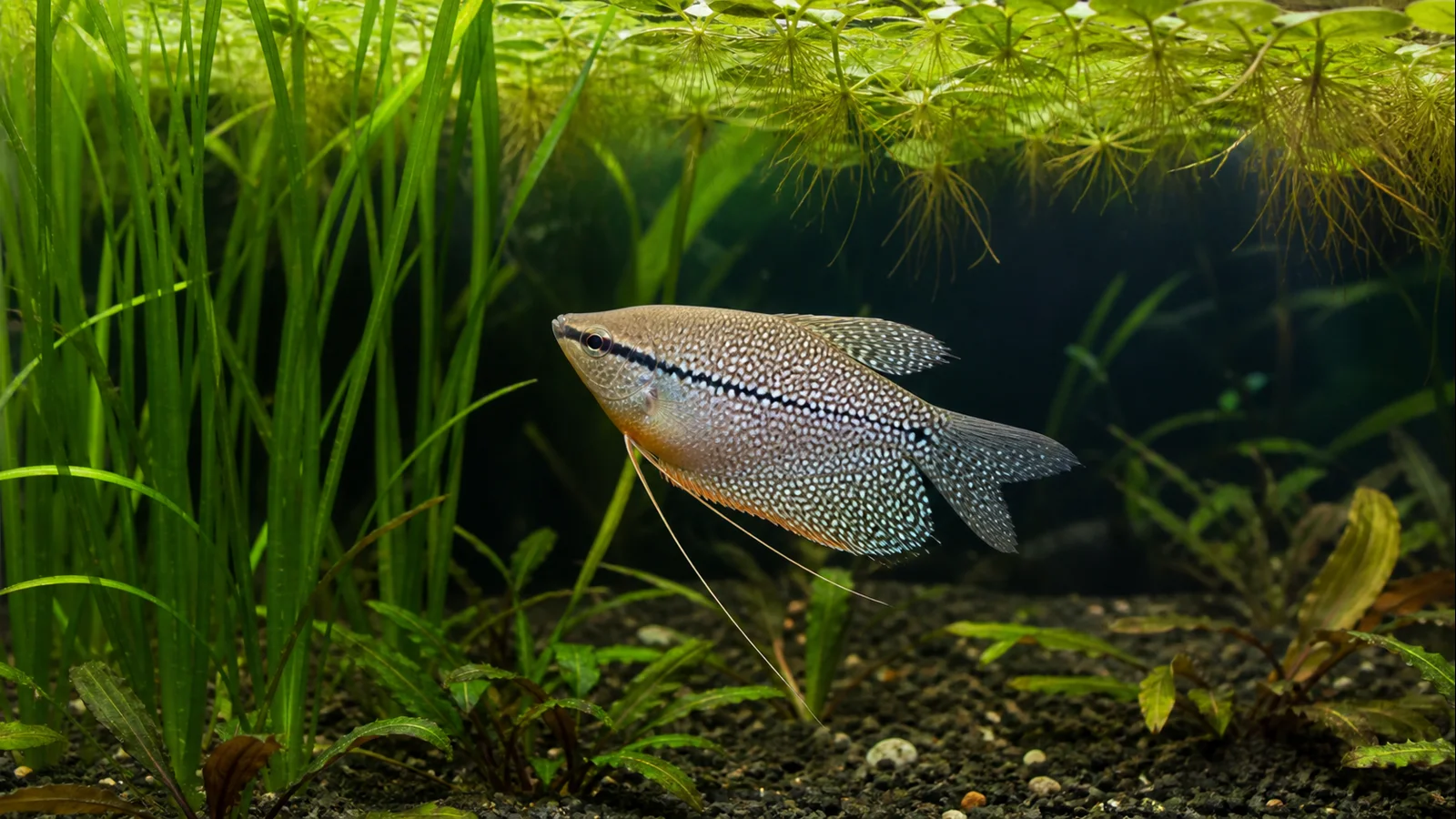
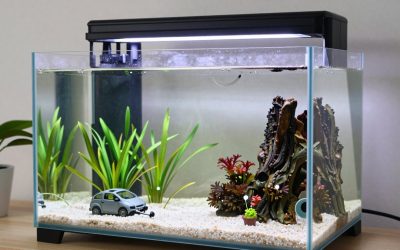
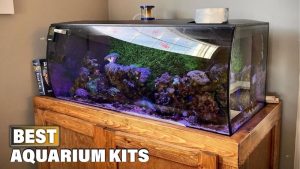
Editorial illustration; not evidence for species identification.
Allocate the upper floor plan
For one adult in a community, a mature aquarium around 110 litres/29 US gallons is a sensible lower starting point, with larger volumes and a long footprint preferred. A pair, multiple gouramis or substantial companions warrant more. Litres cannot describe territory by themselves: a long, planted tank with several routes is more usable than a narrow tall column of equal volume.
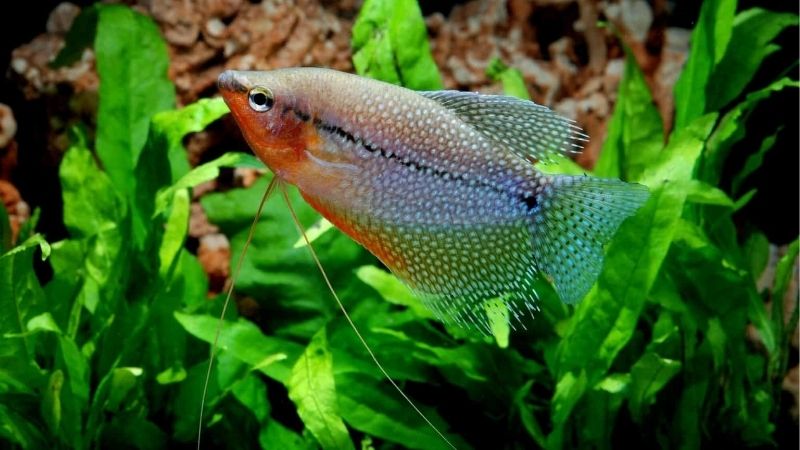
Leave open water for turning and deliberate movement. Place tall plants and branching wood along sides and rear to break sight lines, then allow floating cover over only part of the surface. The fish’s labyrinth organ lets it breathe air, so it must always reach open surface. A tight lid reduces jumping risk and retains warm humid air, but ventilation and gas exchange must not be eliminated.
Our budget low-tech planted setup helps build cover without high-energy equipment. Select floating aquarium plants whose roots can be managed, and corral them away from feeding and breathing lanes.
Water targets are not a challenge course
Natural records associate pearl gouramis with warm, often slow and vegetation-rich waters. Aquarium references commonly describe approximately 24–28°C/75–82°F and mildly acidic to near-neutral conditions. The Seriously Fish profile consolidates habitat and husbandry information, while OATA’s fish-keeping resources offer an industry welfare perspective.
These ranges need caveats. A reported wild endpoint is not a request to reproduce daily variation, and a captive-bred fish may have lived for generations in different hardness. Ask the breeder or retailer for actual holding values. Pick a stable overlap that suits every resident, then acclimate based on measured differences. Avoid chemical pH chasing and unmeasured softening.
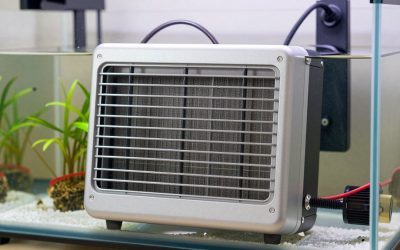
Cycle the aquarium fully. Ammonia and nitrite should be undetectable, while nitrate is controlled through suitable stocking, feeding, plants and partial water changes. Use a thermostat-controlled heater and an independent thermometer. A sudden cool room draft above an open tank is inappropriate even if the water itself remains warm.
Filter for waste without creating a treadmill
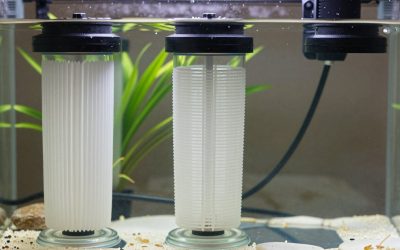
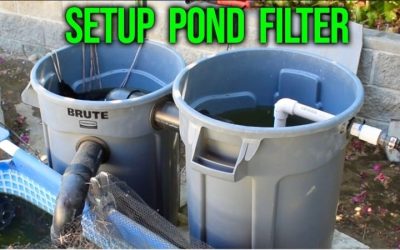
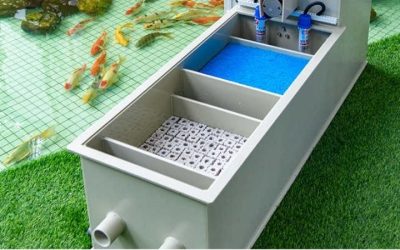
Pearl gouramis appreciate calm regions but still require effective biological filtration and oxygen exchange. Rated pump output says little about what reaches the aquarium after media, hoses and head height. Choose and arrange a filter so debris does not settle everywhere while the fish can hover without continuously swimming against the return. The filter selection guide compares practical formats.
Diffuse a strong outlet with a spray bar or direct it along a wall. Place the heater in circulating water and protect the intake. Watch floating plants: if they spin rapidly or are submerged by the return, the upper zone is probably too turbulent. Conversely, oily surface film and debris pockets show that “gentle” has become inadequate circulation or maintenance.
Choose a social arrangement with an exit plan
A single pearl gourami is often the simplest centerpiece. A male-female pair can work in a roomy, densely structured aquarium, yet nesting behavior may turn the upper zone into defended space. Groups require a much larger footprint, multiple visual barriers and individual monitoring. Never buy extra females as if a ratio mathematically cancels aggression.
Mature males typically show a more orange-red throat and chest and extended dorsal rays; females are often fuller-bodied with shorter fins. Juveniles and stressed fish are difficult to sex. If a planned pair proves to be two males, or one individual relentlessly excludes another, a cycled divider or separate tank must already be available.
Display, circling and occasional short pursuit can occur. Persistent chasing, torn fins, hiding behind equipment, lost weight or inability to feed signals a welfare problem. Rearranging cover may help at an early stage, but separation is the correct response when the target cannot use normal resources.
Screen tank mates in three dimensions
Begin at the surface. Avoid crowding with other territorial labyrinth fish or frantic top-feeders. In midwater, select calm schooling species too large to be mistaken for food and not known for fin nipping. At the bottom, peaceful catfish or loaches may fit if their group size, substrate, oxygen and temperature needs are genuinely met.
Reject companions solely described as “peaceful.” Compare adult size, mouth size, activity, temperature, hardness, feeding speed and swimming zone. A fast school may never attack a gourami yet still keep it from eating. A tiny fish can become prey. Long-finned slow fish may invite investigation or conflict.
Introduce residents through quarantine and do not overstock to make the community look busy. Feed at more than one location, watching the pearl gourami take and swallow food. Compatibility is an ongoing observation, not a property fixed on purchase day.
Feed for deliberate rather than frantic eating
A quality floating or slow-sinking pellet and flake sized for the mouth can form the staple. Rotate suitable frozen or cultured live foods such as brine shrimp, daphnia or insect larvae, and include formulated foods with varied ingredients. Wild feeding reports help explain behavior, but captive fish require nutritionally complete, safe-source diets rather than collected insects exposed to chemicals.
Offer modest portions once or twice a day according to body condition and community competition. Use a ring or calm corner if surface current disperses food too quickly. Remove leftovers. Fasting routines, supplements and rich “conditioning” foods should not be applied mechanically; reproduction and body condition are separate goals.
Loss of appetite can follow intimidation, temperature change, transport or illness. Do not infer a diagnosis from one sign or add medication “just in case.” Check water, recent changes, breathing and feces, isolate appropriately, and consult an aquatic veterinarian or qualified fish-health professional when symptoms persist. Drug choice and dosing are outside safe general husbandry advice.
Maintain the structure, not just the chemistry
Each day, confirm surface access, count fish and watch posture, breathing, appetite and territorial routes. Each week, measure core water values and change an appropriate portion using conditioned, temperature-matched water. Siphon sheltered debris pockets without dismantling the entire habitat.
Trim plants in rotation so cover never vanishes overnight. Thin floaters before they seal the surface. Clean filter media when reduced flow indicates need, following manufacturer instructions and avoiding untreated tap water on biological media where chlorine could harm it. Inspect the heater, lid gaps and electrical cords monthly.
If a pearl gourami changes color, first interpret context: light, breeding condition and stress can all contribute. Color alone cannot establish health. Rapid breathing, clamped posture, swelling, lesions, prolonged hiding or weight loss require environmental testing and professional escalation.
The successful pearl gourami aquarium feels spacious at the top even though it is planted. It offers warm steady water, calm circulation, open air access and enough visual structure for a fish to withdraw without being trapped. Decide whether you want one adult, a pair or a complex group before buying. That adult-centered choice is the foundation of responsible pearl gourami care.
Related Reviews & Guides
Best 8 Gallon Aquarium Kit: Best Proven Well-Researched Guide
Best Aquarium Kit Under 100: Best Proven Well-Researched Guide