Last Updated: October 9, 2026
- Top Pick: Swimming Creatures™ 3 Dwarf Honey Yellow Gourmi (Trichogaster chuna) Freshwater Aquarium Fish (Approx. 0.5-1")
- Best Value: Red Honey Gourami live fish (packs of 4) – Aquarium Exotic Freshwater Live Fish Aquarium Fish
- Premium Choice: Gold Honey Gourami (Pack of 6 Fish) – Aquarium Exotic Freshwater Live Fish
Honey Gourami Care: A Calm Community Tank Plan
Honey gouramis are often sold as centerpiece fish, yet a centerpiece is usually placed under bright light in the busiest part of a display. This fish benefits from almost the reverse: broken sight lines, gentle surface cover, predictable feeding and neighbors that do not turn every meal into a race. Design around security first and the gold, amber and charcoal colors become easier to enjoy.
The species is Trichogaster chuna, though older labels may use Colisa chuna. FishBase provides the taxonomic and distribution record, and GBIF helps confirm accepted-name context. Be cautious with “sunset,” “red honey” or similar shop names; some are selected honey gouramis, while others can be different, larger or more assertive gourami species.
As an Amazon Associate we earn from qualifying purchases at no extra cost to you.


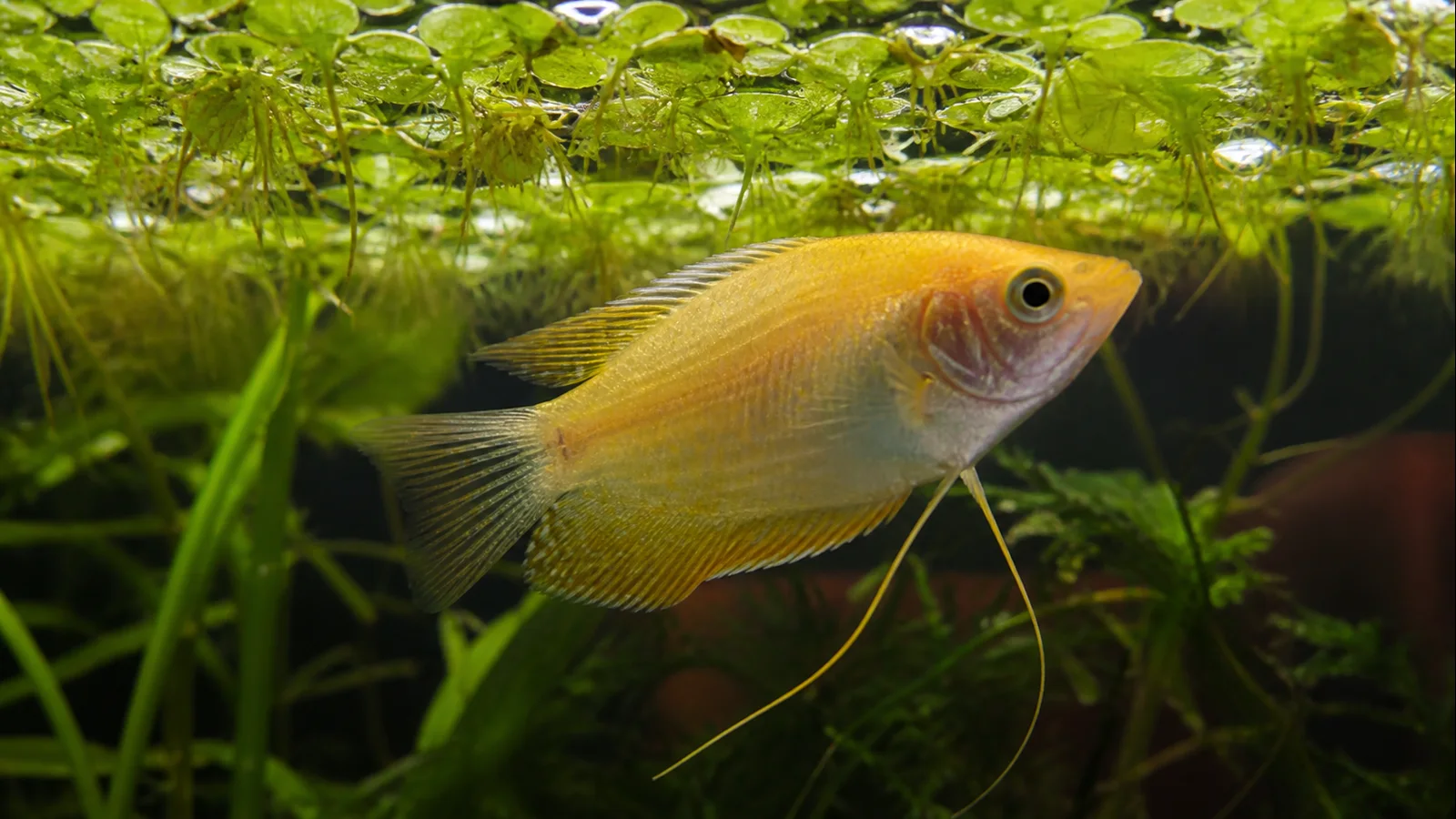
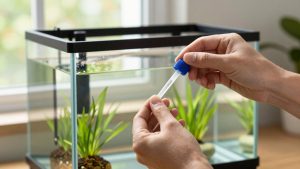
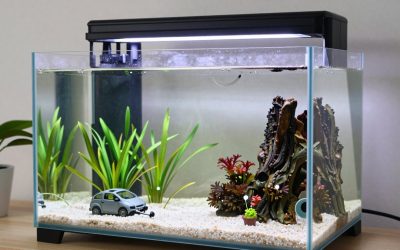
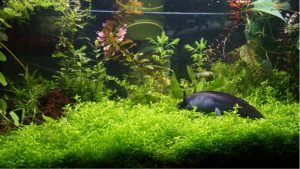
Editorial illustration; not evidence for species identification.
Read the fish from the surface down
Honey gouramis possess a labyrinth organ and can take atmospheric air. That is a normal adaptation, not proof that poor oxygen or dirty water is acceptable. They require unobstructed access to the surface, a secure lid with equipment gaps closed, and a warm, reasonably humid air layer rather than cold drafts directly over the tank.
Below the surface, floating roots and tall plants form partial canopies. Mid-level stems and wood interrupt eye contact. At the bottom, easy-to-clean substrate and a few quiet retreats complete the layout. Keep some surface open for breathing and gas exchange; a continuous floating-plant mat can become a management problem.
A tank around 75 litres/20 US gallons with a useful horizontal footprint is forgiving for one honey gourami or a carefully assessed pair in a modest community. Smaller systems magnify temperature and waste changes and reduce escape routes. Groups or multiple males need substantially more territory and observation; a volume number alone cannot prevent conflict.
For an affordable planting approach, use the low-tech planted tank guide. Hardy choices from the low-light aquarium plant list can supply cover without forcing intense illumination.
Flow, filtration and the “quiet corner” test
Run a fully cycled filter with enough biological capacity for all inhabitants. Ammonia and nitrite should remain undetectable; nitrate and organic debris should be controlled with measured stocking, careful feeding and partial water changes. The RSPCA’s fish welfare guidance explains why the environment must be established before fish arrive.
Honey gouramis are not built for a relentless high-velocity current. Diffuse the outlet along glass, use a spray bar, or position hardscape to create a calm region without leaving stagnant debris pockets. The practical test is behavioral: the fish should be able to hover, forage and reach the surface without continuously bracing against flow. Surface rippling can coexist with sheltered areas.
Cover intakes so trailing fins and delicate floating roots are not pulled in. Fit a lid because startled gouramis can jump, but never seal the aquarium airtight. Keep electrical connections away from condensation and form proper drip loops according to equipment instructions.
Translate habitat ranges carefully
References report this South Asian species from warm, vegetated waters and commonly cite approximately 22–28°C/72–82°F and pH 6–8. Seriously Fish offers a referenced captive-care synthesis. Those endpoints should not become permission for abrupt captive swings. Choose the narrower, stable portion compatible with the breeder’s water and all tank mates, often near the middle of the temperature span.
Wild habitat descriptions can inform cover, flow and behavior, but most shop fish have a captive history. Ask the seller about temperature, hardness and source. Acclimate based on measured differences rather than a fixed timer, and do not force a captive-bred fish into very acidic water solely to recreate a locality it has never experienced.
Test pH and hardness in both tap and tank before using chemistry-altering materials. If values are unsuitable, a repeatable water-preparation plan is safer than frequent corrective products. Stability is not an excuse for clearly harmful conditions; it means making necessary changes gradually with reliable measurement.
One fish, a pair or a group?
A single honey gourami can be an excellent focal animal and avoids assumptions about pairing. A male-female pair may coexist in a planted tank, but courtship and nesting can make a male territorial. Females require cover and an exit route. Two males in a small aquarium can display, chase and exclude one another from food or surface access.
Sexing depends on maturity, condition and color strain. Males often develop stronger breeding color and a darker throat, while females may show a lateral stripe, but shop juveniles can be ambiguous. Do not purchase a supposed pair unless separation space exists. A ratio or seller assurance is never a welfare guarantee.
Normal investigation includes slow plant-to-plant movement, surface breaths and periods under cover. Concern rises when one fish is continually cornered, loses weight, clamps fins, breathes hard, refuses food or cannot use the surface. Rearranging décor may reset a boundary, but persistent aggression calls for physical separation rather than waiting for the victim to adapt.
Community selection by feeding style
Choose small, calm schooling fish or suitable bottom dwellers with overlapping chemistry and temperature. Avoid fin nippers, large predators and frantic surface feeders. Even a nonaggressive species can be a poor neighbor if it captures every morsel before the gourami approaches.
Stock one social group properly instead of collecting pairs of many species. Leave the upper region relatively uncongested and watch the aquarium during feeding, not only while resting. Shrimp may be eaten, especially small juveniles; no peaceful-fish label guarantees invertebrate safety.
Add the gourami only after the tank is stable and companions are healthy. Use a separate observation system and follow the new-fish quarantine process. Shared nets, siphons and wet hands can move pathogens between tanks, so quarantine depends on equipment discipline.
Feed a hesitant labyrinth fish
Offer small floating or slowly sinking foods that remain available near the gourami’s preferred zone. A quality micro-pellet or flake can anchor the diet, with rotated frozen or live items such as daphnia, brine shrimp or small larvae from safe sources. Pieces must fit the mouth. Variety is useful; excessive rich food is not.
Feed modest portions once or twice daily and observe swallowing. In a busy community, deliver food at two ends or use a feeding ring in the sheltered zone. Remove uneaten material. A fish that approaches and retreats may be intimidated, unfamiliar with the food or unwell; simply adding more can degrade water without fixing access.
Do not use appetite loss, color change or a swollen abdomen as a basis for unverified medication. First measure water and review aggression, temperature, recent additions and diet. If abnormal breathing, lesions, wasting or persistent refusal continues, consult an aquatic veterinarian or qualified fish-health professional. Medication selection and dosing require diagnosis, actual water volume and species-specific judgment.
Maintenance without destroying security
Daily observation should include surface access, respiration, body condition and whether each fish eats. Weekly, test temperature and nitrogen waste, change an appropriate portion of water, and remove trapped debris from calm areas. Match replacement temperature and condition municipal water properly.
Trim plants in sections rather than clearing the entire canopy at once. Honey gouramis learn the structure of their surroundings; a sudden bare tank can increase exposure. Preserve an open feeding patch and breathing corridor while leaving several shaded routes. Rinse reusable filter media gently when flow declines, following manufacturer directions and protecting the biofilter.
At each monthly equipment check, inspect the lid, heater, thermometer, intake cover and outlet. Compare current behavior with notes from previous weeks. A slow change in weight or territory use is easier to address before it becomes crisis behavior.
Honey gourami care succeeds when the aquarium offers choices: shade or open water, calm flow or gentle circulation, company without competition, and surface access without exposure. Source-matched stable water matters more than reproducing every reported wild extreme. If the fish remains distressed after measurable husbandry problems are corrected, an aquatic professional should assess it; a general guide cannot diagnose disease or make an unsafe community compatible.
Related Reviews & Guides

6 Best Aquarium Filters Under Gravel 2026
Are Aquarium Sponge Filters Worth It? An Honest Answer (2026)