Last Updated: October 21, 2026
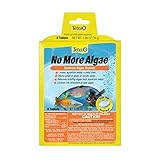
- Top Pick: Tetra No More Algae Tablets for Aquariums, 8 Count
- Best Value: MICROBE-LIFT Algaway 5.4 Algae Remover for Aquariums, Algaecide for Freshwater and Saltwater Tanks, Aquarium Algae Control and Fish Tank Cleaner, Safe for Fish and Plants, 8 Ounces (ALGAA08)
- Premium Choice: Aqueon Fish Tank Aquarium Algae Remover, 4 oz
Few things deflate a proud aquarist faster than watching a clear tank turn into a green, hazy soup overnight. Algae blooms are frustrating, but they are also a signal: your tank has excess light and nutrients, and something has tipped the balance. The good news is that you can clear a bloom and prevent the next one without dumping harsh chemicals that harm fish and plants.
This guide explains how to deal with algae blooms in your aquarium safely in 2026, covering the root causes, the immediate fixes, and the long-term prevention that keeps green water away for good. It references fish-safe solutions like MICROBE-LIFT Algaway and manual tools such as the API algae pad so you can act with confidence.
As an Amazon Associate we earn from qualifying purchases at no extra cost to you.




⚡ Save on Your Next PC — Amazon Prime
Prime members get fast free shipping on the systems above, plus early access to Prime Day & Black Friday PC deals. New members get a 30-day free trial.
Watch: How to Deal with Algae Blooms in Your Aquarium Safely — Video Review
Understand What Causes Algae Blooms
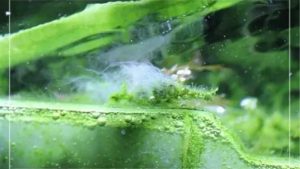
Algae are not the disease; they are the symptom. Blooms happen when three factors align: too much light, excess nutrients (nitrate and phosphate from overfeeding and waste), and often a young or unbalanced tank. Green-water blooms are free-floating algae, while green spot and hair algae cling to surfaces. Identifying which type you have points you to the right fix, but every case traces back to that light-plus-nutrient imbalance.
Immediate Safe Fixes
- Cut the light: Reduce your photoperiod to 6 hours or do a 3-day blackout for green water, covering the tank completely.
- Manual removal: Scrape surfaces with an algae pad like the API hand-held pad and siphon out loose algae during a water change.
- Water changes: A series of 25% changes dilutes the nutrients feeding the bloom faster than anything else.
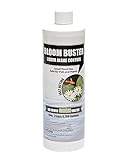
- Fish-safe treatment: For stubborn blooms, a fish-and-plant-safe algaecide like MICROBE-LIFT Algaway 5.4 clears water without harming livestock when dosed correctly.
Treat the Root Cause, Not Just the Symptom
Clearing a bloom without fixing its cause guarantees a rerun. Test your water and target the nutrients: feed less so there are fewer leftovers, remove decaying plant matter, and improve mechanical filtration to pull out debris. A water-quality supplement like MICROBE-LIFT Special Blend supports the beneficial bacteria that keep nutrients in check. If you run live plants, healthy plant growth outcompetes algae for those same nutrients, which is why a well-planted tank rarely blooms.
Prevent Future Blooms
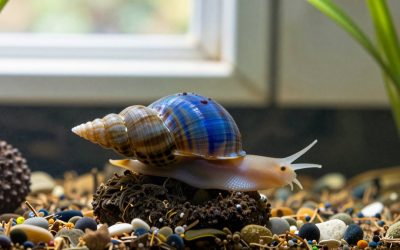
Prevention is a routine, not a product. Keep your light on a timer at a sensible 6-8 hour photoperiod, avoid placing the tank in direct sunlight, and stick to a consistent feeding and water-change schedule. Add algae-grazing snails or shrimp as a living cleanup crew, and keep tablets like Tetra No More Algae on hand for spot treatment of algae on decor. Consistency, not intensity, is what keeps a tank clear.
Tips
- Never do a full water change to fix a bloom; it destabilizes the tank. Use several partial changes instead.
- Feed only what fish finish in two minutes, once or twice a day, to starve algae of nutrients.
- Rinse filter media in old tank water, not tap, to protect your beneficial bacteria.
- Keep the tank out of direct sun, which supercharges algae faster than any aquarium light.
Frequently Asked Questions
Are algaecides safe for fish and plants?
Fish-and-plant-safe formulas like MICROBE-LIFT Algaway 5.4 are safe when dosed to the label. Always follow the instructions exactly and provide extra aeration, since clearing algae can temporarily lower oxygen.
How do I clear green water fast?
A 3-day full blackout combined with reduced feeding and partial water changes clears most green-water blooms. A UV sterilizer or a fish-safe algaecide speeds things up further.
Will more water changes stop algae?
They help by diluting nutrients, but only if you also address the cause. Water changes plus less feeding, controlled light, and live plants is the durable combination.
Do algae blooms harm fish?
A mild bloom is mostly unsightly, but heavy blooms can crash oxygen levels at night as algae respire. Add aeration during a bloom and address it promptly to keep fish safe.
Conclusion
An algae bloom is your tank telling you that light and nutrients are out of balance. Clear it safely with reduced light, manual removal, partial water changes, and a fish-safe algaecide only if needed, then fix the root cause by feeding less and keeping a steady routine. Treat the balance, not just the green, and blooms become a rare, easily handled event.

Turtle Basking Platform
Hair Algae in Aquarium Tanks: Why It Grows and What Works