Last Updated: October 21, 2026
The best rodi system for beginners is the one that removes uncertainty, not the one with the smallest price tag. Spending about $45 more, roughly 25 percent over a bare under $200 unit, adds a TDS meter, pressure gauge and flush valve, which is what actually tells a first-timer the system is working.
As an Amazon Associate we earn from qualifying purchases.
By David Nguyen
How to Choose a Beginner-Friendly RODI System
For a first RO/DI, the goal is fewer unknowns: monitoring that shows the system is working, pretreatment matched to your tap, and output that fits your routine. Judge beginner-friendliness by included gauges and correct stage count rather than by the lowest checkout price, which often hides the missing tools.
Included Monitoring Removes Guesswork
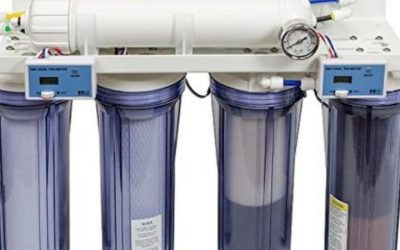
The single most beginner-friendly feature is a TDS meter, because it turns invisible performance into a number you can read. Moving from a bare Value unit to a Value Plus costs about $45, roughly 25 percent over under $200, and adds that meter plus a pressure gauge and flush valve for genuine peace of mind.
Without those tools, a beginner cannot tell whether the membrane or DI resin is spent until finished water quality already slipped. The gauges are cheap insurance against silent failures, so on a first system the monitoring package is usually worth more than a small saving at checkout on the base model.
Match Stage Count to Your Tap
Beginners often overbuy or underbuy stages because they confuse stage count with quality. What actually decides it is your disinfectant: chloramine needs the dual-carbon Premium Plus build, while low-chlorine water runs on the Value stages, and stepping Value Plus to Premium Plus costs only about $18, near 8 percent.
Do not read that price premium as a filtration percentage, since it buys broader pretreatment, not a scored quality jump. Testing your water for chloramine first, since it is common and tasteless, tells a first-timer exactly which build to buy and keeps DI resin from exhausting faster than expected.
Output Sized to a Real Routine
A beginner rarely needs high output, so size GPD to your actual changes rather than the biggest number. A 75 or 100 GPD unit covers most starter tanks comfortably, and stepping from 75 to 100 GPD often costs only a few dollars while raising rated output by about a third for occasional larger fills.
Because a first system is usually passive, faster output does not raise electricity or waste; it only shortens fill time. So choose output by how much water you change at once, and treat any higher tier as convenience rather than a requirement, which keeps the initial purchase simpler and cheaper.
Passive Operation and Simple Setup
Fewer moving parts means fewer things for a beginner to troubleshoot, so staying passive is a real advantage. Most of these units run without a pump above their rated minimum, typically 50 PSI on the smaller BRS builds, so a home with adequate pressure avoids the complexity a booster adds.
If your line runs soft, output sags and a booster becomes necessary, adding a motor, wiring and vibration to isolate. Measuring your feed pressure before buying tells a first-timer whether the simple passive path is open, which is almost always the easier route to a reliable, low-stress first setup.
Top Picks
For a first RO/DI the best choice depends on your tap and how much certainty you want, so the order below is conditional rather than a single winner. Each row leads with what it removes uncertainty about and flags its trade-off, so a beginner can match a row to their water instead of guessing.
| Product | Best For | Key Spec | Watch Out For |
|---|---|---|---|
| BRS 4 Stage Value Plus 100 | Beginners wanting monitoring | 100 GPD, TDS+PSI+flush | No chloramine carbon; ~under $250 |
| BRS 5 Stage Premium Plus 100 | First systems on chloramine | 100 GPD, dual carbon, 50 PSI | 3:1 waste; ~under $300 |
| BRS 4 Stage Value Plus 75 | Tightest starter budget | 75 GPD, TDS+PSI+flush, 50 PSI | No chloramine carbon; ~under $250 |
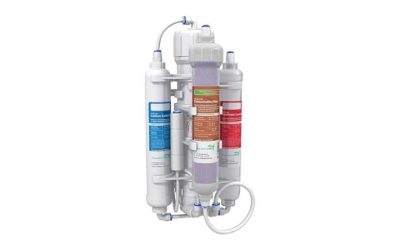
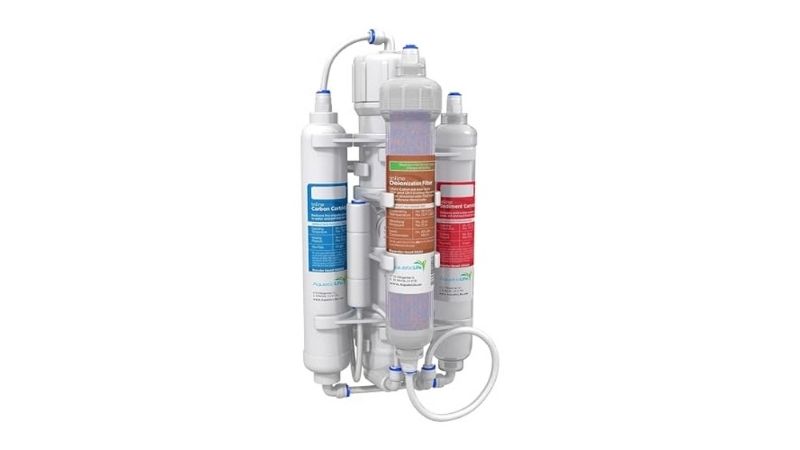
| AquaticLife Twist-In 100 | Simple, compact install | 100 GPD, twist cartridges | Suggests 65 PSI; ~under $150 |
BRS 4 Stage Value Plus 100
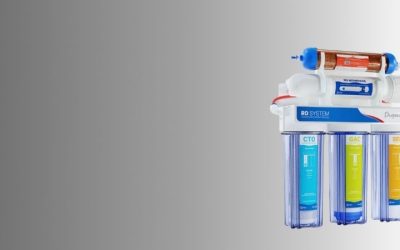
For most beginners on low-chlorine water, the BRS 4 Stage Value Plus 100 is the confidence pick at around $225 as of 09/28/2026, bundling a TDS meter, pressure gauge and flush valve at 100 GPD. That monitoring is exactly what a first-timer needs to see the system working rather than hoping it is.
It omits chloramine-grade carbon, so it is the wrong unit on chloraminated supplies, and it wants 65 PSI for full output. On the right water, though, the gauges make it forgiving to learn on, since they flag a fading membrane or spent DI resin before the finished water quality actually slips below target.
BRS 5 Stage Premium Plus 100
When the tap is chloraminated, the BRS 5 Stage Premium Plus 100 keeps a beginner safe with dual-carbon pretreatment and a low 50 PSI minimum, around $300 as of 09/28/2026. That pairing protects the membrane and DI resin on demanding water, which spares a first-timer a fast, confusing resin exhaustion.
The trade-off is a 3:1 reject ratio, the most wasteful here, sending about thirty gallons to drain per ten produced. That is acceptable while learning, and capturing the reject for other uses helps, but on chloramine-free water a leaner four-stage build saves both money and waste for the same result.
BRS 4 Stage Value Plus 75
On the tightest starter budget with low-chlorine water, the BRS 4 Stage Value Plus 75 still includes the TDS meter, pressure gauge and flush valve for around $225 as of 09/28/2026, running from 50 PSI. It keeps the beginner-friendly monitoring while trimming output for smaller tanks and lighter routines.
Its 75 GPD rate suits modest changes, and stepping up to the 100 GPD version costs only a few dollars if you expect larger fills. Like the other Value builds it lacks chloramine carbon, so confirm your disinfectant first; on the right water it is the least-expensive monitored way into the hobby.
AquaticLife Twist-In 100
For the simplest physical setup, the AquaticLife Twist-In 100 uses tool-less twist cartridges in a compact 12 by 4 by 13 inch body, around $150 in a recent snapshot. A beginner swaps media by hand without wrenches or housing wrestling, which lowers the intimidation of that first maintenance cycle.
It suggests 65 PSI for full output and ships without the standalone gauges the BRS Value builds include, so you may add a TDS meter separately. Its cartridge format also ties you to its own replacements, so buy it for the easy servicing while planning to monitor TDS yourself from the start.
Frequently Asked Questions
First-time buyers usually ask whether four or five stages is enough, whether monitoring is worth paying for, and how output relates to tank size. The answers below attach prices and thresholds to each, so a beginner can buy certainty rather than defaulting to either the cheapest or the biggest option.
Do Beginners Need Four or Five Stages?
It depends on your water, not your experience. Chloraminated municipal water needs the five-stage dual-carbon build to protect the membrane and DI resin, while low-chlorine supplies run fine on four stages. Adding stages you do not need mostly raises the recurring media bill without improving results.
Stepping from Value Plus to Premium Plus costs about $18, near 8 percent, and buys broader pretreatment rather than a quality score. Test for chloramine before buying, since it is common and tasteless, and then the correct stage count is obvious and keeps DI replacements predictable while you learn.
Is the TDS Meter Worth Paying For?
For a beginner, almost always yes. The roughly $45 step from a bare unit to a Value Plus, about 25 percent over under $200, adds a TDS meter, pressure gauge and flush valve, which turn invisible performance into readable numbers you can act on before your finished water quality slips.
Without those tools a first-timer cannot tell when the membrane or DI resin is spent, and a reef or planted tank is unforgiving of stray TDS. The gauges are inexpensive relative to the media they protect, so on a first system the monitoring package usually pays for itself quickly in avoided mistakes.
What Output Does a Beginner Need?
Usually a 75 or 100 GPD class, sized to your changes rather than your tank’s gallons. Stepping from 75 to 100 GPD often costs only a few dollars while raising rated output by about a third, which helps for occasional larger fills without meaningfully complicating the whole setup.
Because a first system is typically passive, higher output does not raise electricity or waste; it only shortens fill time. So choose by how much water you change in a sitting, and avoid overbuying capacity that a starter tank will never actually use on any kind of routine basis.
Will I Need a Booster Pump to Start?
Only if your feed pressure is low. Most of these units run passively above their rated minimum, often 50 PSI on the smaller BRS builds, so a home with adequate pressure avoids the wiring, motor and vibration a booster adds. Measuring your line first tells you whether the simple passive path is open.
If your pressure sits below the minimum, output sags and reject climbs, and a booster becomes the fix. For a beginner that is an extra component to learn, so where possible choosing a lower-pressure unit or improving plumbing is easier than adding a pump to a first setup right away.
Final Thoughts
The beginner rodi system worth buying is the one that shows its work: budget the roughly $45 for a Value Plus with a TDS meter and gauges, and match stages to your tap rather than to a price. Keep the build passive where pressure allows, and let monitoring, not the cheapest checkout, guide the first purchase.
6 Best Aquarium Cleaning Siphons 2026
Best RODI System for a Fish Room: Top High-Output Picks