Last Updated: October 21, 2026
Answering what size rodi system do you need takes one formula: divide the gallons you change by the hours you can let it run, then multiply by 24 to get the daily rating. Twenty gallons in five hours works out to about 96 GPD, which points you to the 100 GPD class.
As an Amazon Associate we earn from qualifying purchases.
By David Nguyen
Calculate the RODI Size You Need
Sizing is arithmetic, not guesswork: required GPH equals batch gallons divided by available hours, and required GPD is that figure times 24. The table below runs the common cases so you can read your class directly, then verify that your feed pressure and source water actually support the rating you land on.
| Input (gal / hours) | Result (GPD) | Note (class) | Exception |
|---|---|---|---|
| 10 gal / 4 h | 60 GPD | 75 GPD class | Verify 50+ PSI |
| 20 gal / 5 h | 96 GPD | 100 GPD class | Chloramine needs carbon |
| 30 gal / 5 h | 144 GPD | 150 GPD class | Needs 65 PSI |
| 40 gal / 5 h | 192 GPD | 200 GPD class | Pressure and waste rise |
The Sizing Formula
The whole calculation is two steps: required GPH equals your batch gallons divided by the hours you can let the unit run, and required GPD equals that GPH times 24. Keeping the units straight, gallons per hour scaled to a daily figure, is what prevents the classic mistake of confusing an hourly need with a rating.
Work an example: ten gallons in four hours is 2.5 GPH, which times 24 is 60 GPD, so you look at the next class up, a 75 GPD unit. Always round up to the nearest available class rather than down, since a unit sized exactly to the math leaves no margin for cold water or fading media.
Reading the Class Matrix
Run the same formula across common cases and the classes fall out cleanly: 10 gallons in 4 hours points to a 75 GPD unit, 20 in 5 hours to a 100, 30 in 5 hours to a 150, and 40 in 5 hours to a 200. Each result is your minimum class, chosen by rounding the calculated GPD figure up.
Notice that display gallons never enter this table; only batch size and time do, which is exactly the point. Two people with the same tank can need different classes because one changes more water or allows less time, so size from your own routine rather than from the aquarium’s nominal volume.
Rated Output Versus Real Output
A rating is a ceiling under ideal conditions, not a promise. Rated capacity assumes a set pressure, temperature and inlet TDS, so real output drops on cold, dirty, or low-pressure water, which is why rounding up to the next class builds in the margin your calculation alone does not provide.
Treat the formula as your floor and the rating as an optimistic label above it. If your water runs cold in winter or your pressure sits near a membrane’s minimum, size one class higher than the bare math suggests, since the gap between rated and real output is largest exactly when conditions are least favorable.
Pressure and Chemistry Adjustments
Two conditions can override the raw number. If your feed pressure sits below about 50 PSI, a higher-rated unit will still underdeliver, so correct pressure or add a booster before chasing more GPD; and if your tap carries chloramine, add dual-carbon pretreatment regardless of the size the formula returns.
These adjustments do not change the arithmetic; they change which unit within a class you buy. Size first for output, then apply the pressure and chemistry filters, so you end up with a membrane that both clears your batch on time and actually reaches its rating on the water you have.
Compare the 75, 100, 150 and 200 GPD Classes
Once the formula gives you a class, these representative builds show what each tier looks like in practice, with the pressure and chemistry caveats that decide whether you reach the rating. Match the class from your calculation to the row below, treating prices as dated snapshots rather than fixed figures.
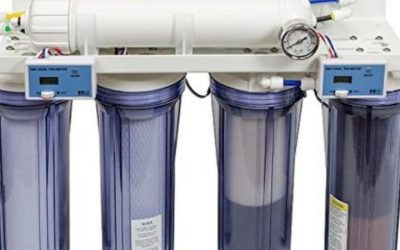
75 GPD Class: BRS 4 Stage Value Plus 75
For a calculated need near 60 GPD, the 75 GPD class fits, and the BRS 4 Stage Value Plus 75 covers it at around $225 as of 09/28/2026, running from 50 PSI with a TDS meter, pressure gauge and flush valve. It suits small batches, such as ten gallons in about four hours, comfortably.
Its four stages target low-chlorine water, so chloramine needs the dual-carbon build instead. This class is the floor for light routines, so choose it when your formula returns a small number and your pressure clears the modest 50 PSI minimum without any additional hardware on the line.
100 GPD Class: BRS 4 Stage Value Plus 100
For a result near 96 GPD, the 100 GPD class is the match, and the BRS 4 Stage Value Plus 100 lands at around $225 as of 09/28/2026. It clears a 20-gallon batch in roughly five hours and, at only about $9 over the 75, is inexpensive insurance for a slightly busier weekly schedule.
It wants 65 PSI for full output and lacks chloramine carbon, so confirm both pressure and chemistry before relying on the rating. This is the most common class for mid-size routines, so it is where many calculations land once you round the arithmetic up to the nearest available tier.
150 GPD Class: BRS 5 Stage Premium Plus 150
When the formula returns around 144 GPD, the 150 GPD class fits, and the BRS 5 Stage Premium Plus 150 covers demanding water at around $325 as of 09/28/2026 with dual-carbon pretreatment. It clears a 30-gallon batch in about five hours when your line supplies the pressure it needs.
The condition is real: it needs 65 PSI minimum, so soft plumbing undercuts the rating and may force a booster. Size to this class only when your batch genuinely calls for it, since the higher pressure requirement is a cost you take on with the extra output rather than a free upgrade.
200 GPD Class: High-Output Builds
For a calculated need near 192 GPD, the 200 GPD class is the target, suited to large or frequent changes where a 40-gallon batch must finish in about five hours. Units at this tier prioritize throughput, so expect a higher pressure requirement and more reject water per batch than smaller classes.
At this size, pressure and waste both rise, so verify your line and plan reject-water reuse before committing. Most home aquariums never reach this class from the formula, so treat a 200 GPD result as a signal to double-check your batch and time inputs before buying that much output.
Frequently Asked Questions
Sizing questions cluster around specific tanks and batches, so the answers below run the formula on common cases. Each keeps the units straight, gallons per hour scaled to a daily rating, so you can map your own routine to a class without confusing an hourly need with a published GPD figure.
What Size for a 10-Gallon Batch?
Run the formula: ten gallons in four hours is 2.5 GPH, which times 24 is 60 GPD, so you round up to the 75 GPD class. That covers small nano or freshwater routines with margin, and a shorter allowed time simply pushes the calculated number, and therefore the class, further upward.
If you can let it run longer, the required rating falls, so the same ten gallons over eight hours needs only about 30 GPD and still lands comfortably in the 75 class. Verify your pressure clears the unit’s minimum, since a starved membrane will not hit even a modest rating on schedule.
What Size for a 20-Gallon Change?
Twenty gallons in five hours is 4 GPH, which times 24 is 96 GPD, so the 100 GPD class is the natural match after rounding up. That is the most common result for mid-size tanks, which is exactly why the 100 GPD tier suits so many home routines once the arithmetic is done properly.
Tighten the window and the number climbs: twenty gallons in three hours needs about 160 GPD, pushing you toward the 150 or 200 class. So the same change size can land in different classes depending on how much time you allow, which is exactly why the formula beats guessing from tank gallons.
Does Rated GPD Equal Real Output?
No; the rating is a ceiling under ideal conditions. Rated capacity assumes set pressure, temperature and inlet TDS, so cold, dirty, or low-pressure water yields less, which is why rounding up to the next class builds in the margin your bare calculation does not include on its own.
The gap between rated and real output is widest when conditions are worst, such as cold winter water or pressure near the minimum. So size one class higher than the raw math when your conditions are unfavorable, and confirm your pressure before trusting any membrane to deliver its printed number.
Should I Size Up for a Future Tank?
Only modestly, and with the formula. If a larger tank is genuinely planned, recalculate with its likely batch and time rather than buying the biggest unit on offer, since oversizing raises pressure demand and reject water for output you are not yet using. Round up one class for the future, not several.
A cheaper path is often to keep the correctly sized unit now and let a longer run time absorb an occasional larger batch. Because output scales with allowed hours, patience can substitute for capacity, so reserve a genuine size-up for when your ongoing routine, not a maybe, actually demands it.
Final Thoughts
Answering what size rodi system do you need starts and ends with one calculation: batch gallons divided by hours, times 24, rounded up to the nearest class, so 20 gallons in 5 hours lands on the 100 GPD tier. Then apply pressure and chemistry filters, since a rating is a ceiling cold water or a soft line will lower.

8 Best Gravel Vacuums: Top Picks Reviewed and Compared (2026)
6 Best Fish Aquarium Water Test Kits 2026