Last Updated: September 25, 2026
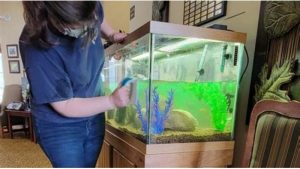
Acrylic scratches far more easily than glass, so the best algae scraper for acrylic aquarium use is one labeled acrylic-safe, never a razor or metal edge borrowed from a glass tool. The right pick pairs a soft, acrylic-rated contact surface with enough reach for your tank depth.
As an Amazon Associate we earn from qualifying purchases.
By David Nguyen
Quick answer: For most people in 2026, the best algae scraper for acrylic aquarium is the API Acrylic Scraper 18 in — our #1 rated choice. See the full ranked comparison, alternatives and buying advice below.
How to Choose an Acrylic-Safe Scraper
Choosing an acrylic scraper is mostly about what touches the panel. A soft, acrylic-specific pad or blade removes film without scoring, while length decides whether you can reach the bottom. Get those two right and cleaning stays scratch-free.
Require Acrylic-Safe Labeling
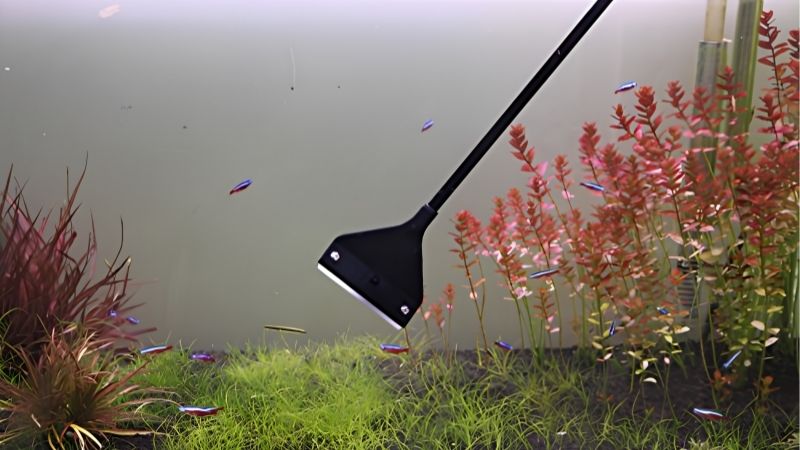
Start with an explicit acrylic-safe claim. The API Acrylic Scraper is purpose-built for acrylic at 18 in [API/Walmart, 2026], and that stated compatibility matters more than any generic aquarium label that may quietly assume glass.
Acrylic is softer than glass, so a tool safe on one is not automatically safe on the other. When a product only says algae scraper without naming acrylic, treat it as glass-intended until the maker confirms otherwise. A quick check is the packaging: if it names only glass, assume it will scratch acrylic.
Avoid Metal/Razor Contact on Acrylic
Never run a metal or razor blade across acrylic. Scratching happens when a harder or sharp edge scores the softer surface, and a glass-only razor is out of range for acrylic no matter how well it clears film on glass.
Card-style plastic blades, like those on the Flipper Platinum line, are the safer route because they shear algae without a hardened edge. If a kit razor is meant for glass, leave it out of your acrylic routine entirely. Replacement card blades are a minor recurring cost, but a fresh edge clears film with far less pressure than a worn one.
Choose Reach for Tank Depth
Match handle length to depth so you are not dunking your arm. The API at 18 in reaches deep tanks, while an 11-in Imagitarium or a 10-to-12-in Flipper suits shallower or nano setups where a long handle is awkward.
Longer is not automatically better, since reach and cleaning quality are different metrics. Pick the shortest tool that still touches the bottom comfortably; excess length only reduces control near the substrate. On a rimless nano, a shorter handle also keeps your hand clear of the open top, reducing spills over the edge.
Keep Sand and Gravel Out of the Pad
The most common acrylic scratches come from trapped grit, not the tool. A grain of sand caught in the pad turns any scraper into an abrasive, which is why keeping the contact face clean is a real durability issue for acrylic owners.
Rinse the pad before and during cleaning, and stop short of the substrate line to avoid picking up particles. Replaceable pads are a recurring cost worth budgeting, since a worn or gritty pad is the fastest way to mar an acrylic panel. Storing the pad dry between uses stops it holding grit and prevents mildew that can transfer back to the panel.
Top Picks
Four acrylic-friendly tools cover most tanks, from budget pads to card-blade scrapers. Each pairs an acrylic-safe surface with a specific reach, so the right one depends on tank depth and how much film you battle. Prices are relative and shift over time.
| Product | Best For | Key Spec | Watch Out For |
|---|---|---|---|
| API Acrylic Scraper 18 in | Best Overall | 18 in reach; acrylic-safe; ~$12 | Long handle awkward in nanos |
| Imagitarium Acrylic 11 in | Best Value | 11 in; acrylic-safe; ~$5 | Short reach for deep tanks |
| Flipper Platinum Nano 12 in | Best for nano/card blade | 12 in; 2-in-1 card blade | Often backordered |
| Flipper Platinum 10 in | Best for controlled hand cleaning | 10 in; fiberglass handle | Shortest reach here |
API Acrylic Scraper 18 in
The API earns Best Overall on verified acrylic-safe design plus the longest reach here at 18 in, listed around $12 as of 09/2026 [Walmart, 2026]. That combination clears film on deep tanks without risking the panel.
Its length is the only real downside, feeling clumsy in a small nano. The soft contact surface also needs rinsing to stay grit-free, but for a standard-to-deep acrylic tank it is the most complete single pick. Keeping the soft face clean is the real maintenance item, since one embedded grain can undo an otherwise scratch-safe tool.
Imagitarium Acrylic Scraper 11 in
The Imagitarium is the value pick at about $5, roughly 58% below the API price [Petco, 2026], while still being acrylic-rated. For light routine film on shallow or mid-depth tanks it does the core job cheaply.
Its 11-in reach is the catch — deep tanks leave you dunking your arm. Treat it as an inexpensive maintenance tool rather than a deep-reach scraper, and keep a spare pad since low-cost pads wear and can trap grit. At about $5 it is cheap enough to replace yearly, which suits owners who would rather swap than deep-clean a pad.
Flipper Platinum Nano 12 in
The Flipper Platinum Nano is a 12-in card-style 2-in-1 scraper aimed at nano acrylic tanks, listed around $20 — about 5% above the standard Platinum. Its card blade shears algae without a hardened edge.
Availability is the sticking point: it is frequently backordered [Flipper, 2026], so stock is inconsistent. If you can get one, it suits small tanks where a long handle would be unwieldy, but plan around the wait. If it is out of stock, the standard Platinum covers similar duties at a slightly lower price without the wait.
Flipper Platinum 10 in
The standard Flipper Platinum pairs a fiberglass handle with card blades at 10 in, around $19 as of 09/2026. The rigid handle gives controlled pressure for stubborn film without the flex of a soft pad.
At 10 in it has the shortest reach in this group, so deep tanks are a stretch. For hands-on spot cleaning on shallow-to-mid acrylic tanks, though, the control it offers is its main draw over a simple pad. The rigid handle does let you angle the blade precisely into corners where a soft pad tends to skip.
Frequently Asked Questions
Acrylic owners ask the same handful of questions, and most trace back to one fact: acrylic is soft. Each answer starts with the verdict, then the practical detail that keeps the panel clear.
Can I use a razor blade on acrylic?
No. A razor or any metal edge will score acrylic, because scratching occurs whenever a harder, sharper edge meets the softer surface. Razors are a glass-only tool and are out of range for acrylic.
Use an acrylic-rated pad or a plastic card blade instead. If your only concern is a hard deposit, soak or spot-treat it rather than reaching for a blade the panel cannot take. For a stubborn calcium spot, a plastic card blade worked slowly clears it without the gouging risk a metal edge brings.
Can a plastic scraper still scratch acrylic?
Yes, if it traps grit. Plastic itself is gentler than metal, but a sand grain caught in the pad or blade becomes an abrasive that scores the panel, so plastic is not automatically scratch-proof.
Rinse the contact face before use and avoid the substrate line. Keeping grit out of the pad matters more than the material of the tool, which is why regular pad replacement is worth the small recurring cost. Inspecting the pad under light before each session catches a lodged grain you would otherwise drag across the panel.
What length is practical?
Enough to reach the bottom without submerging your arm. An 18-in tool suits deep tanks, while 10 to 12 in fits nanos and shallow setups; length and cleaning quality are separate, so bigger is not better.
Measure from the rim to the substrate and pick the shortest handle that clears it. Excess length reduces control near the base, where grit and delicate scaping make careful movement more important than reach. Leaving an inch of clearance above the sand also keeps the tool from stirring debris as you clean.
How do I avoid trapped-grit scratches?
Keep the contact surface clean and away from sand. Most acrylic scratches come from a trapped particle, not the scraper, so rinsing the pad and stopping above the substrate prevents the majority of damage.
Inspect and replace pads before they glaze or embed grit. Treating the pad as a consumable — a small ongoing expense — is cheaper than living with a permanently marred panel.
Final Thoughts
The best algae scraper for acrylic aquarium care is the one that respects a soft panel: an acrylic-labeled pad or card blade, sized to reach your tank bottom, kept free of grit. The API leads on reach and verified compatibility, the Imagitarium wins on price, and the Flipper cards suit smaller tanks — but matching the tool to the surface matters more than chasing the biggest number.
As an Amazon Associate we earn from qualifying purchases at no extra cost to you. Prices and availability are accurate as of the date shown and are subject to change.
Ready to decide? Our #1 pick for 2026 is the API Acrylic Scraper 18 in.
Live price & availability on Amazon.
Related Reviews & Guides

Glass Canopy vs Hood Which Is Better: Top Compared Setup Guide
Best Aquarium Controller for a Nano Tank: Proven Top Picks