Last Updated: October 21, 2026
The best rodi system maintenance and cleaning kit is the one that matches your exact stage architecture, not the one with the most cartridges. A four-to-five-stage refill step adds about $20, roughly 61.8 percent, because it also adds a carbon block, so buy for your build rather than for a bigger box.
As an Amazon Associate we earn from qualifying purchases.
By David Nguyen
How to Choose an RODI Maintenance and Cleaning Kit
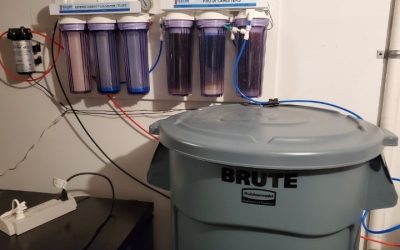
A replacement kit only helps if its cartridges fit your housings and stage count, so compatibility comes before price or bundle size. Match the number of stages and the cartridge format first, confirm whether a membrane is included, then time replacements from your own measurements rather than a fixed calendar.
Match Stage Count and Cartridge Format
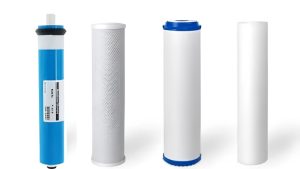
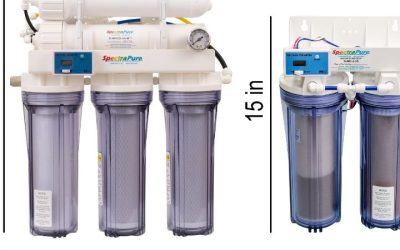
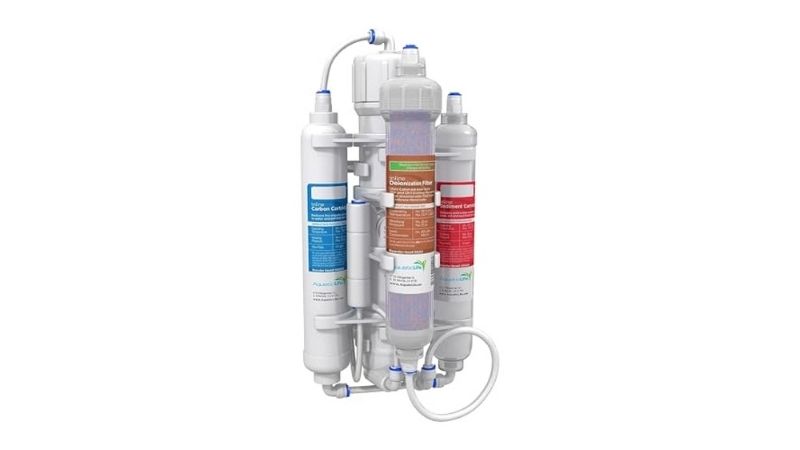
The first filter is fit: a kit made for a five-stage unit will not drop cleanly into a four-stage housing, and cartridge diameters and lengths vary between systems. Confirm your stage count and housing size before anything else, since a mismatched kit is wasted money no matter how complete it looks on paper.
Because stages differ, kit prices step up as capability is added: a four-to-five-stage refill runs about $20 more, near 61.8 percent, largely for an added carbon block. Read that premium as a different cartridge set, not a quality score, so choose the kit that mirrors your build, not the largest one available.
Sediment, Carbon and DI Included
A genuine maintenance kit should cover the consumables that actually wear: sediment pre-filter, carbon block, and DI resin for the final polish. The five-to-six-stage step adds about $20, near 36.4 percent, by including a second DI refill, which matters most where source water burns resin quickly.
Check which parts a kit omits, since some bundle only sediment and carbon and leave DI resin as a separate purchase. On a saltwater or reef system the DI stage is the one that protects your zero-TDS result, so a kit that includes it saves you assembling refills piecemeal from several different listings later.
Whether a Membrane Is Included
Membranes and cartridges wear on different schedules, so many kits deliberately leave the RO membrane out. The six-to-seven-stage step adds about $15, near 20.0 percent, but changes the DI architecture rather than the membrane, so read each kit’s contents to see which long-life parts it does and does not cover.
A membrane typically lasts far longer than sediment or carbon, so replacing it on the same cadence wastes money. Track membrane condition with a TDS meter across the product and reject lines instead, and buy a membrane only when that reading shows rejection has actually fallen, not because a kit included one.
Prices Change, So Date the Snapshot
Kit pricing swings between sale and regular listings, so any figure is a dated snapshot rather than a fixed fact. The BRS Universal kits, for example, have appeared around $30, under $50, under $70 and under $90 as of 09/28/2026 across their stage counts, which is a guide to the steps, not a permanent price.
Because prices move, compare kits by what cartridges they contain relative to your build, then check the current price when you buy. That keeps the decision anchored on compatibility and completeness, which do not change, rather than on a headline number that may look different by the next sale event.
Top Picks
Because the right kit is dictated by your exact stage count, there is no single overall winner here, so the order below pairs each kit with the build it fits. Match a row to your own housings and stage architecture, and treat the dated prices as step guides rather than fixed figures across the year.
| Product | Best For | Key Spec | Watch Out For |
|---|---|---|---|
| BRS Universal 4-Stage Kit | Four-stage RO/DI builds | Sediment, carbon, DI refill | No membrane; ~under $40 |
| BRS Universal 5-Stage Kit | Five-stage builds needing carbon | Adds carbon block over 4-stage | +under $20 step; ~under $50 |
| BRS Universal 6-Stage Kit | Deeper DI on demanding water | Second DI refill included | +under $20 step; ~under $70 |
| BRS Universal 7-Stage Kit | Maximum DI polishing builds | Deepest DI architecture | +under $20 step; ~under $90 |
BRS Universal 4-Stage Kit
For a four-stage RO/DI, the BRS Universal 4-Stage Kit covers the core consumables, sediment, carbon and a DI refill, at around $30 as of 09/28/2026. It is the right match when your build has no second carbon or DI stage, since adding cartridges your housings cannot hold buys nothing but clutter.
Its limit is depth: with a single DI refill it suits cleaner source water, and it does not include a membrane, which wears on a longer cycle anyway. On chloramine or high-TDS supplies you will exhaust its resin faster, so heavier water is a reason to step up to a kit with a second DI refill instead.
BRS Universal 5-Stage Kit
Where your build adds a carbon block, the BRS Universal 5-Stage Kit matches it for around $50 as of 09/28/2026, about $20 over the four-stage kit. That step is almost entirely the extra carbon, which protects the membrane and DI resin on water carrying more chlorine or chloramine than a basic supply.
Do not read the 61.8 percent price jump as better filtration; it is a different cartridge set for a different housing count. If your system is genuinely five-stage this is the correct kit, but on a four-stage build the added carbon block simply will not fit, so confirm your architecture before choosing it.
BRS Universal 6-Stage Kit
For deeper DI on demanding water, the BRS Universal 6-Stage Kit adds a second DI refill for around $65 as of 09/28/2026, about $20 over the five-stage kit. That extra resin stretches the interval between DI changes where your source water would otherwise exhaust a single stage quickly.
The 36.4 percent step buys DI capacity, not a scored quality gain, so it earns its cost only when your water actually taxes resin. On cleaner supplies the second DI refill mostly sits in reserve, so match this kit to measured DI consumption rather than choosing it as a default upgrade over the five-stage set.
BRS Universal 7-Stage Kit
For the deepest polishing builds, the BRS Universal 7-Stage Kit carries the fullest DI architecture at around $80 as of 09/28/2026, about $15 over the six-stage kit. On genuinely punishing source water it provides the longest run between DI changes of any kit in this lineup.
The 20.0 percent step changes the DI setup rather than adding a membrane, and it is the highest recurring outlay here. Reserve it for systems that demonstrably need seven stages, since buying more DI than your water requires just raises maintenance cost without extending resin life on an otherwise clean supply.
Frequently Asked Questions
Owners usually ask how often to swap media, whether a kit covers the membrane, and whether they can service the housings themselves. The answers below tie replacement to measurements rather than a fixed calendar, since protocol varies by source water and by how much water each system actually makes.
How Often Should I Replace RODI Media?
By measurement, not a fixed date. Sediment and carbon typically last several months but depend on your source water and volume, while DI resin is best changed when your TDS meter reads above zero on the product line. A quick service of a spent stage takes only minutes once you have the matching refill on hand.
Replacement timing varies by water chemistry and usage, so two identical systems can run very different schedules. Track TDS across the membrane and after DI, and let those readings, rather than a calendar reminder, tell you which stage to change and when, which also keeps you from swapping parts that still have life.
Does a Maintenance Kit Include the Membrane?
Usually not, and for good reason. RO membranes last far longer than sediment, carbon or DI resin, so most kits deliberately leave them out to avoid replacing a long-life part on a short-life schedule. Read each kit’s contents to confirm exactly which cartridges it covers before assuming a membrane is included.
Judge membrane health with a TDS meter across the product and reject lines, and replace it only when rejection has clearly dropped. Buying a membrane bundled into a routine kit, when yours is still performing, wastes money, so keep membrane replacement on its own evidence-based cycle separate from cartridge swaps.
Can I Service the Housings Myself?
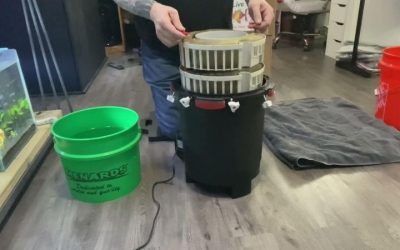
Yes, and it is straightforward with the right kit. Housing service is mostly unscrewing the sump, swapping the cartridge, and reseating the O-ring, which is a quick job when your kit matches the stage count. Keeping a spare O-ring and a little food-safe silicone lubricant on hand makes reassembly leak-free.
The main pitfall is a mismatched cartridge that will not seat properly, so confirm diameter and length before ordering. If a housing weeps after service, the usual cause is a dry or pinched O-ring rather than a faulty part, so re-lubricate and reseat it before assuming the housing itself needs replacing.
Is a One-Time Kit Purchase or Ongoing?
Both, depending on the part. Some tools, like a housing wrench, are one-time buys, while cartridges and DI resin recur for as long as you own the system, so the true cost is the repeating media rather than the initial kit. Budget for those refills the way you would any consumable.
How often you repurchase depends on your source water and volume, so a heavy-use reef system buys refills more often than a light freshwater setup. Matching each reorder to your measured consumption keeps the ongoing spend predictable instead of over-ordering resin that ages on a shelf before you ever install it.
Final Thoughts
A maintenance and cleaning kit is a compatibility decision first: match the stage count and cartridge format, confirm whether DI resin and membrane are included, and time swaps from your TDS readings rather than a calendar. Prices such as the BRS Universal steps move with sales, so verify the current figure at reorder.
Best 7 Stage RODI Filter for 0 TDS Water: Top Top Picks
Best 300 GPD RODI System for Large Tanks: Top Top Picks