Last Updated: September 25, 2026
Glass thickness decides everything here. The best magnetic algae scraper for glass aquarium use is the one whose maximum pane rating covers your glass — exceed it and the halves lose their grip. Match thickness first, then compare blade type and retrieval design.
As an Amazon Associate we earn from qualifying purchases.
By David Nguyen
Quick answer: For most people in 2026, the best magnetic algae scraper for glass aquarium is the Flipper Edge Standard — our #1 rated choice. See the full ranked comparison, alternatives and buying advice below.
How to Choose a Magnetic Glass Scraper
A magnetic scraper is judged first by the glass it can hold, then by its blade, its behavior if separated, and grit control. Pane thickness is a hard limit, not a performance score, so measure before you shop.
Measure Glass
Start by measuring your pane. Each scraper has a maximum thickness: the Mag-Float Medium tops out at 10 mm, the Flipper Standard at 12 mm, the Tunze Long at 10-15 mm, and the Flipper MAX at 25 mm. Most standard aquariums run 6 to 12 mm, but rimless and large display tanks climb well beyond that.
Exceeding the published maximum means the magnet cannot couple, and the outer half can slide off. Measure the actual glass, not the gallon label, and pick a scraper rated at or above that thickness. Round down when a pane sits between classes, since a magnet at its limit drags and risks releasing mid-clean.
Choose Blade
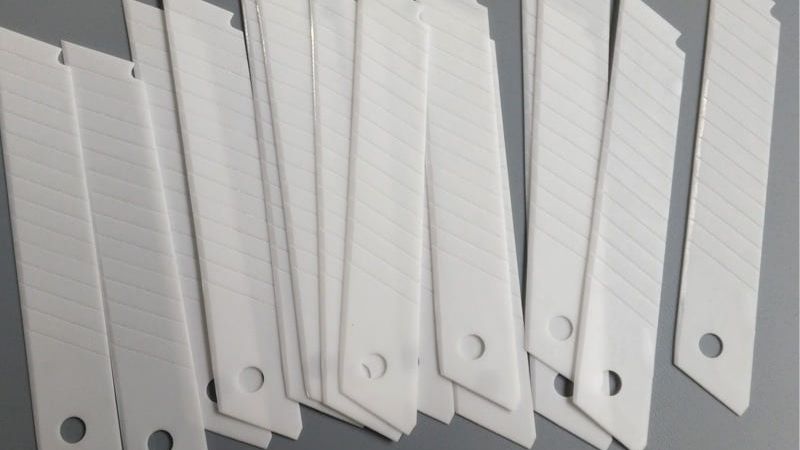
Blade type shapes the clean and the risk. The Flipper Standard pairs 316 stainless with plastic blades, the Flipper MAX runs dual blades, and blade or pad geometry is what contacts and shears the algae. A dual-blade design like the MAX clears a wider path per pass, useful on a large tank with a lot of glass.
Stainless cuts hard coralline but must stay off seams; plastic is gentler for routine film. Match the blade to your algae and your comfort with a hard edge, since the geometry, not the magnet strength, does the cutting. Swapping to the plastic blade for routine film also extends the life of the stainless edge for the deposits that need it.
Retrieval if Separated
Magnets do separate, so retrieval matters. A floating inner half, like the Mag-Float, rises to the surface instead of dropping into the substrate, which saves you reaching into the tank after every slip. It happens most when the pad catches on a seam or a snail, so keep passes smooth and away from obstructions.
A sinking inner half means fishing it out of the gravel, where it can trap grit. Consider how each design behaves when it pops off the glass, especially on deeper tanks where retrieval is a hassle. On a deep tank a floating design saves you a wet arm and the risk of dropping the half onto glass or rock.
Keep Substrate Away
Grit is the real scratch risk on glass. A sand grain caught under the blade scores the pane, so keep the scraper above the substrate line and check the face before each pass. Finishing the lowest inch by hand with a soft pad avoids dragging the magnet through the substrate zone entirely.
This matters even though the equipment is glass-rated, since trapped particles do the damage, not the glass. Rinse the blade if it nears the substrate, and finish the lowest inch by hand to avoid picking up grit.
Top Picks
Four scrapers cover glass from thin nano panes to thick display walls, differing in maximum thickness, blade and retrieval, not a comparable cleaning force. Thickness is eligibility, not a ranking. Prices are relative and shift over time.
| Product | Best For | Key Spec | Watch Out For |
|---|---|---|---|
| Flipper Edge Standard | Best Overall (up to 12mm) | Max 12 mm; 316 SS + plastic; ~$70 | Often backordered direct |
| Mag-Float Stealth Medium | Best Value (up to 10mm) | Max 10 mm; floating inner; ~$40 | Thin glass only |
| Tunze Care Magnet Long | Best for 10-15mm glass | 10-15 mm; SS + plastic; ~$55 | Needs 3mm+ inner clearance |
| Flipper Edge MAX | Best for thick glass (up to 25mm) | Max 25 mm; dual blade; ~$130 | ~86% above Standard |
Flipper Standard
The Flipper Edge Standard is Best Overall for glass up to 12 mm, around $70 as of 09/2026 [Flipper, 2026], with 316 stainless and plastic blades. Within that range it handles both film and harder deposits well. At about $70 it also covers both algae film and harder deposits with its stainless-and-plastic blade pair.
Its best-overall status holds only within its 12 mm limit — thicker panes need another class. It is also frequently backordered direct, so stock is inconsistent; for standard glass it is the pick, but confirm your pane is 12 mm or less. It is also frequently backordered on the direct site, so check third-party stock if you need one quickly.
Mag-Float Medium
The Mag-Float Stealth Medium is the value pick at about $40, roughly 42% below the Flipper Standard [BRS, 2026], for glass up to 10 mm. Its floating inner half rises if the magnet separates.
It is limited to thinner glass, so measure first. For a nano or thin-walled tank the floating design and low price make it an easy choice, but it is out of range above 10 mm. The floating inner half is a genuine convenience on a rimless nano where retrieving a dropped magnet is awkward.
Tunze Care Magnet Long
The Tunze Care Magnet Long covers 10-to-15-mm glass at about $55, with stainless and plastic blades. It fills the gap above the Flipper Standard 12 mm for moderately thick panes. At about $55 it slots neatly above the Flipper Standard 12 mm ceiling for moderately thick panes.
It needs more than 3 mm of inner clearance to move freely, so check for internal obstructions. Choose it when your glass sits in the 10-15 mm band, where the thinner-rated magnets lose their grip. Check for an internal overflow box or bracing near the glass, which can block a mid-thickness magnet from tracking.
Flipper Edge MAX
The Flipper Edge MAX handles the thickest glass up to 25 mm at about $130, roughly 86% above the Standard [Flipper, 2026], with a dual-blade design for large display tanks.
That 86% higher price reflects the thicker-glass rating, not 86% better cleaning, since thickness is eligibility, not performance. Reserve it for genuinely thick panes; on standard glass it is unnecessary and, like the Standard, can be backordered. Reserve it for genuinely thick display glass, since its heavier pull is overkill and harder to move on a standard tank.
Frequently Asked Questions
Magnetic-scraper questions center on glass thickness and scratch risk. Each answer opens with the verdict, then the practical caution for glass.
For 1/2-in glass?
Half-inch glass is about 12 mm, so the Flipper Standard 12 mm maximum just covers it, and the Tunze Long or Flipper MAX exceed it comfortably. Measure to confirm, since actual glass varies slightly.
If your pane is right at 12 mm, a scraper rated above it gives a safer coupling. Do not exceed a unit maximum, so when in doubt, size up a class.
For 3/4-in?
Three-quarter-inch glass is roughly 19 mm, beyond the Standard and Long. Only the Flipper MAX, rated to 25 mm, covers it among these picks.
Thicker glass needs a stronger magnet to couple, so match the class to the measured pane. A magnet rated below your glass will slide off, so the MAX is the right tool for thick walls. A magnet rated below your pane may hold weakly at first, then slip and drop as you push against film.
Can it scratch glass?
Yes, if grit gets trapped. The blade itself is glass-safe within spec, but a sand grain caught under it scores the pane — so keep the scraper above the substrate and check the face.
A stronger magnet is not automatically safer; more clamping force presses trapped grit harder. Keep the blade clean and off the substrate line, since grit, not the magnet, causes most scratches. Keeping the pad rinsed matters more than magnet strength, since grit, not pull force, is what scores the pane.
Need stainless every time?
No. Stainless blades cut hard coralline, but plastic blades handle routine film and are gentler near seams. Choose the blade for your algae, not as a default.
Keep any hard blade off silicone corners. For soft film a plastic blade is enough, so reserve stainless for stubborn deposits rather than using it on every pass. For a reef with heavy coralline, though, a stainless edge saves real effort over a plastic blade that just glazes.
Final Thoughts
The best magnetic algae scraper for glass aquarium use is the one whose maximum pane rating covers your measured glass first, then suits your algae and retrieval needs. The Flipper Standard leads up to 12 mm, the Mag-Float is the thin-glass value, the Tunze Long covers 10-15 mm, and the MAX handles up to 25 mm. Thickness is eligibility, not a ranking — so measure the pane, keep the blade off grit and seams, and match the class.
As an Amazon Associate we earn from qualifying purchases at no extra cost to you. Prices and availability are accurate as of the date shown and are subject to change.
Ready to decide? Our #1 pick for 2026 is the Flipper Edge Standard.
Live price & availability on Amazon.
Related Reviews & Guides



Best Pond Filter System for a First Pond: Simple Smart Picks
Aquarium Sump Design Guide: Sizing, Baffles and Plumbing