Last Updated: October 21, 2026
The best rodi system for the money is the one that delivers the most useful capability per dollar once it fits your tap, not simply the cheapest box. Stepping from a 75 to a 100 GPD Value unit costs only about $9, near 5 percent, while raising rated output by a third, which is where real value hides.
As an Amazon Associate we earn from qualifying purchases.
By David Nguyen
How to Choose an RODI System for the Money
Value in an RO/DI is capability per dollar after your source water is matched, since the wrong build is no bargain at any price. Weigh purchase price, correct pretreatment, output, included monitoring and recurring media together, and let the cheap upgrades that add real capability guide the spend.
Match Source Water Before Price
The cheapest unit that cannot handle your tap is not value; it is a false economy. Chloramine needs dual-carbon pretreatment, and buying a low-chlorine build for chloraminated water strips DI resin fast, so the first value test is fit, not sticker price, because the wrong pretreatment quietly raises every later refill.
Because source water changes what a system is worth to you, there is no single best-value unit for everyone. Test your disinfectant first, since chloramine is common and tasteless, and only then compare prices among builds that actually suit your water rather than across ones that will fail on it.
Cheap Capability Upgrades
Some upgrades cost almost nothing for real capability, and those are where value lives. Moving from a 75 to a 100 GPD Value unit costs only about $9, near 5 percent, while raising rated output by a third, and stepping Premium to Premium Plus costs about $18, near 8 percent, for broader pretreatment.
Do not read those small premiums as proportional value or filtration jumps, since a 33.3 percent output gain is not a 33.3 percent value gain. Judge each upgrade by whether it adds capability you will use, since a cheap step that shortens fills or handles your water is worth more than raw output on paper.
Monitoring as Bought Value
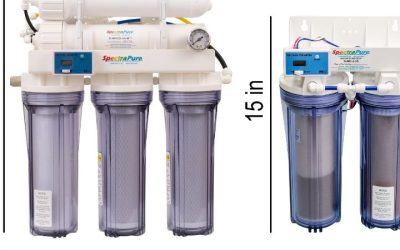
A TDS meter, pressure gauge and flush valve are value because they protect the media you keep buying. At around $225 the Value Plus allocates budget to that monitoring, while the Premium allocates it to a second carbon stage, so the two spend the same money on different kinds of real capability.
Which is better value depends on your water: monitoring pays off everywhere, but a second carbon stage only earns its cost on chloramine. Decide what your tap actually needs, since paying for pretreatment you will not use is as wasteful as skipping monitoring you would have relied on to time media swaps.
Recurring Media Is the Real Cost
Purchase price is a fraction of lifetime cost, so value must account for the media you replace. Sediment, carbon, DI resin and a TDS meter to time swaps recur for as long as you own the system, and a build matched to your water keeps that schedule predictable instead of surprising you with fast resin exhaustion.
Reusing reject water for other household uses trims the waste side of the ledger, which compounds over a year. So weigh the ongoing refill cost alongside the upfront price, because a slightly dearer unit that suits your tap often costs less across two years than a cheaper one that burns through resin.
Top Picks
Because source water changes what counts as value, there is no single outright winner here, so the order below leads with the tap each unit suits and the capability its price buys. Match a row to your own water and priorities rather than reading it as a fixed value ranking across every household.
| Product | Best For | Key Spec | Watch Out For |
|---|---|---|---|
| BRS 4 Stage Value Plus 100 | Best value on low-chlorine water | 100 GPD, TDS+PSI+flush | No chloramine carbon; ~under $250 |
| BRS 4 Stage Value 75 | Lowest entry price | 75 GPD, RO/DI base | No monitoring; ~under $200 |
| BRS 5 Stage Premium Plus 100 | Best value on chloramine | 100 GPD, dual carbon, 50 PSI | 3:1 waste; ~under $300 |
| AquaticLife Twist-In 100 | Value on compact installs | 100 GPD, twist cartridges | Suggests 65 PSI; ~under $150 |
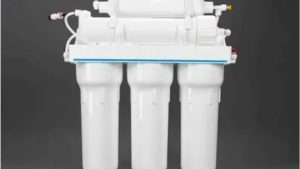
BRS 4 Stage Value Plus 100
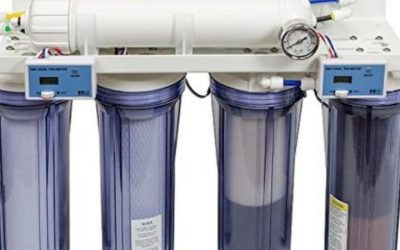
On low-chlorine water, the BRS 4 Stage Value Plus 100 is the value standout at around $225 as of 09/28/2026, pairing 100 GPD with a TDS meter, pressure gauge and flush valve. It costs only about $9 more than the 75 GPD version while raising output a third, so the upgrade is nearly free capability.
It omits chloramine carbon, so it is the wrong pick on chloraminated supplies, and it wants 65 PSI for full output. On the right water, though, the bundled monitoring protects the media you keep buying, which is where its value really compounds over the first couple of years of ownership.
BRS 4 Stage Value 75
For the lowest entry price, the BRS 4 Stage Value 75 covers a basic RO/DI need at around $175 as of 09/28/2026, delivering the core filtration without the extra gauges. If your budget is tight and your water is simple, it makes clean water at the smallest upfront outlay in this lineup.
The catch is what it omits: with no bundled TDS meter or gauges, you cannot easily tell when media is spent, and spending about $45 more for the Value Plus adds that monitoring. It is genuine value only when the budget is the binding constraint and you are willing to add a TDS meter yourself.
BRS 5 Stage Premium Plus 100
When your tap is chloraminated, the BRS 5 Stage Premium Plus 100 is the value pick because it prevents a hidden cost: fast DI exhaustion. At around $300 as of 09/28/2026 its dual-carbon pretreatment protects the membrane and resin from chloramine while staying passive from a low 50 PSI minimum.
Its 3:1 reject ratio sends about thirty gallons to drain per ten produced, the most wasteful here, so it is not thrifty on water. On chloramine, though, the resin it saves outweighs that waste in dollars, which is exactly why matching pretreatment to your tap is the real value decision, not chasing the lowest price.
AquaticLife Twist-In 100
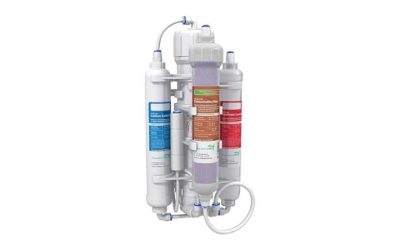
For value on a compact install, the AquaticLife Twist-In 100 offers 100 GPD in a 12 by 4 by 13 inch body with tool-less twist cartridges, around $150 in a recent snapshot. Its low price and simple servicing make it an inexpensive way into RO/DI where space and easy maintenance matter most.
It suggests 65 PSI for full output and ships without the standalone gauges the BRS Value builds include, so factor a separate TDS meter into the value math. Its cartridge format also ties you to its own replacements, so weigh those recurring media prices, not just the low upfront cost, when judging its value.
Frequently Asked Questions
Value shoppers usually ask which cheap upgrades are worth it, whether more output means more value, and how recurring media changes the math. The answers below attach prices and thresholds to each, so you can judge capability per dollar for your own water rather than defaulting to the lowest sticker.
Is 100 GPD Better Value Than 75?
Usually yes, because the step is inexpensive. The 100 GPD Value unit costs only about $9, near 5 percent, over the 75 GPD version while raising rated output by a full third, so it is nearly free capability for anyone who occasionally makes larger fills or expects to add another tank later.
Do not read that as a 33.3 percent value jump, since the extra output only shortens fill time on a passive build. If your changes stay small and budget is tight, the 75 GPD unit remains fine; the 100 is simply cheap insurance rather than a genuinely proportional upgrade in overall value.
Should I Pay for Monitoring or a Carbon Stage?
It depends on your water. At around $225 the Value Plus spends on a TDS meter and gauges, while the Premium spends on a second carbon stage, so the same money buys different capability. Monitoring helps on every tap, but the extra carbon only earns its cost on chloraminated supplies.
Decide what your water actually needs before choosing, since paying for chloramine pretreatment you will not use is as wasteful as skipping monitoring you would have relied on. Test your disinfectant first, then let the result point you to whichever allocation delivers real value for your specific situation.
Does More Output Mean More Value?
Not proportionally. A 33.3 percent higher GPD does not translate into 33.3 percent more overall value, because output only shortens fill time on a passive system and does nothing for water quality or media life. Value comes from fit and included capability, not from the headline output number alone.
So weigh output as one factor among several, alongside pretreatment, monitoring and recurring media. A modestly faster unit that also suits your tap and includes gauges built in is better value than a high-output build that fails on your water or leaves you buying extra tools separately after the fact.
What Recurring Costs Should I Budget?
Plan for sediment, carbon, DI resin and a TDS meter to time replacements, since these recur for as long as you own the system. On matched water those refills stay predictable, while a mismatched build, especially a low-chlorine unit on chloramine, exhausts DI fast and quietly inflates the yearly bill.
Capturing reject water for other household uses trims the waste side and compounds over a year. Weigh this ongoing spend alongside the purchase price, because a slightly dearer unit suited to your tap often costs less across two years than a cheaper one that burns through media faster than expected.
Final Thoughts
The best-value rodi system is the one that fits your tap first, then adds cheap capability: about $9 for a third more output, or roughly $18 for broader pretreatment where chloramine demands it. Weigh monitoring and recurring media alongside the sticker, since a matched build costs less over two years than a bargain.
Best RODI System Maintenance and Cleaning Kit: Top Pick

Aquarium Magnetic Algae Scraper Review