Last Updated: October 21, 2026
Signs aquarium is cycled are mostly circumstantial, and the visible ones are the least reliable of the lot. Clear water, a film on the glass and healthy-looking fish prove nothing at all about the state of the bacterial colony. This guide separates the signs that mean something from the single test that settles it.
As an Amazon Associate we earn from qualifying purchases.
As an Amazon Associate we earn from qualifying purchases at no extra cost to you.


By David Nguyen
Which Signs Aquarium Is Cycled Actually Mean Anything
Almost every visible change in a new tank has an explanation unrelated to nitrifying bacteria. The signs aquarium is cycled that hold up are all readings rather than appearances, and there is only one arrangement of readings that constitutes proof.
The one result that proves it
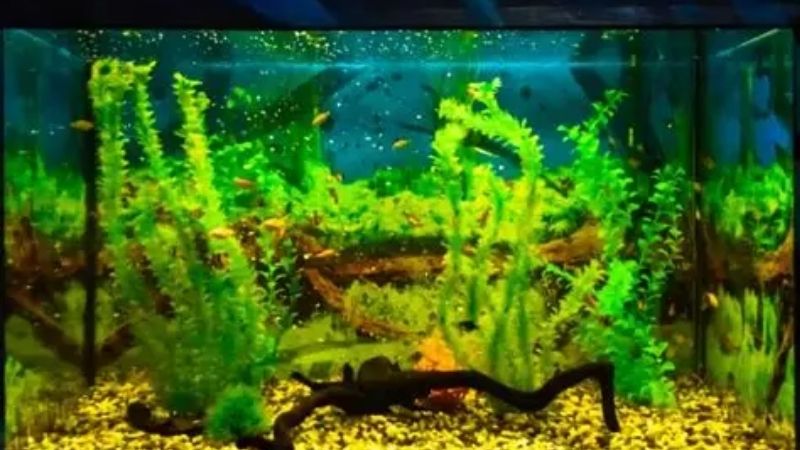
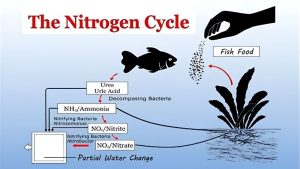
Dose ammonia to 2 to 4 ppm, wait 24 hours, then test. Zero ammonia, zero nitrite and measurable nitrate together mean the colony can process a full day of waste, which is exactly what a stocked tank will ask of it every single day from then on.
Each part of that result matters separately. Zero ammonia alone could mean the dose was never added; nitrate alone could have come from the tap; and zero nitrite with ammonia still present means the second bacterial group has not established at all yet.
For a tank already holding fish, the equivalent proof is ammonia and nitrite both reading zero for a full week under normal feeding, with no water changes made specifically to hide a reading. Anything shorter than that is a snapshot rather than a confirmation.
Why the visible signs mislead
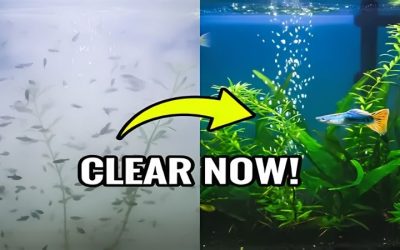
Water clarity tracks a bloom of heterotrophic bacteria feeding on dissolved organics, and those organisms are unrelated to the nitrifying colony. A tank clears because that bloom exhausts its food supply, which can happen weeks before or after the cycle finishes.
Brown diatom growth in weeks two to six is equally common in cycled and uncycled tanks, driven by silicates and light rather than by bacteria. Biofilm on the glass and a faint smell of soil both indicate biological activity of some kind, not the specific activity you need.
Time is the weakest signal of the group. Three to eight weeks is the usual range, and the same setup finishes in three weeks in a warm room and drags past eight in a cold one, so a calendar date carries no information about a particular tank.
| Sign | What it actually indicates | Proof of cycling? | Test instead |
|---|---|---|---|
| Water turned clear | Bacterial bloom ran out of food | No | Ammonia and nitrite |
| Brown algae appeared | Silicates plus light | No | Ammonia and nitrite |
| Four weeks have passed | Nothing on its own | No | 24-hour clearance test |
| Nitrate is present | Nitrification, or tap water nitrate | Partial | Ammonia and nitrite alongside |
| Fish look fine | Short-term tolerance | No | Ammonia and nitrite daily |
| Dose clears in 24 hours | Colony handles a full daily load | Yes | Confirm nitrate is present |
Normal ranges and action thresholds
Once the confirmation has passed, the useful numbers change from evidence of cycling to ordinary operating targets. Knowing both sets keeps a returning reading in proportion rather than treating it as a complete failure of the whole process.
A finished tank reads 0 ppm ammonia, 0 ppm nitrite and nitrate below 20 to 40 ppm, held at 76 to 80 °F (24 to 27 °C) for a tropical community. Those are the numbers to expect once fish are in the tank and the weekly maintenance routine has settled into place.
Act rather than observe when ammonia passes 0.25 ppm, when any nitrite appears, or when nitrate climbs past 40 ppm. In a tank you believe is cycled, any of those three readings means the colony has fallen behind the load rather than that the cycle failed.
Checking the Result in a Real Tank
Testing well matters as much as testing at all, because most false readings come from method rather than from chemistry. Reliable signs aquarium is cycled depend on a kit that works and a tank set up so the colony can survive being checked.
Tank size, placement and fit
Measure the stand top, the gap behind the tank and the water line against the heater before ordering equipment, since none of it adjusts once the tank is filled. A heater partly exposed during a water change is a common cause of a sudden reading afterwards.
Placement affects the result indirectly through temperature. A tank beside a draughty window or under a vent swings with the room, and bacterial activity falls off below 70 °F (21 °C), so a cold snap can produce an ammonia reading in a tank that had passed its test.
Getting an honest reading
A test result is only as good as the kit producing it, and most disputed cycles turn out to be measurement problems rather than biological ones. Three habits between them account for nearly every false reading that gets brought to a forum for a second opinion.
Use a liquid kit rather than strips, which drift quickly once the container has been opened in a humid room. Reagents expire whether used or not, so note the purchase date on the box and treat a suspiciously perfect result from an old kit with scepticism.
Nitrate reagents are the usual culprit. The second bottle needs vigorous shaking, often for a minute or more, and an under-shaken bottle reads low, which produces the exact false negative that convinces someone their tank never cycled at all.
Test tap water separately before drawing conclusions. Some supplies carry 5 to 20 ppm nitrate straight from the tap, which means a nitrate reading in the tank proves nothing on its own unless the figure from the tap is known and subtracted first.
How volume and stocking change the picture
A passed test says the colony matched the load it was given, not that it will match any load you choose to add. Volume decides how quickly a shortfall becomes visible in the readings, and stocking decides whether a shortfall happens at all.
A cycled 10 gallon (38 L) and a cycled 55 gallon (208 L) hold the same readings, but the smaller tank loses that state faster. Half the water means twice the concentration from the same mistake, so a nano tank shows a failed cycle within hours.
Stocking matters more than volume. A colony sizes itself to the daily ammonia supply, so a tank cycled on a 2 ppm dose and then stocked heavily in a single afternoon will read ammonia for a week or two while the population catches up to the new load.
Signs People Trust That Prove Nothing
Three claims come up constantly, and each one describes something real while saying nothing whatever about the bacterial colony. Treating any of them as signs aquarium is cycled is the most common single reason fish are added a fortnight too early.
Myth: the bottle says the tank is ready
Bottled bacteria can genuinely seed a colony and shorten the wait, and a label claim is not a measurement. Product performance varies, storage conditions matter, and the only way to know what a particular bottle achieved in a particular tank is to run the test.
Myth: the fish are healthy, so it must be cycled
Fish tolerate low ammonia and nitrite for a period before anything shows, and the damage to gill and skin tissue happens well before behaviour changes. By the time a fish is visibly struggling, the exposure has usually been running for days.
Myth: nitrate means the cycle finished
Nitrate confirms that nitrification is happening somewhere, not that it keeps pace with a full day of waste. Partial nitrate with any nitrite present means the second stage is still building, which is the most common misread of an otherwise sensible test.
Holding the State Once You Have It
A confirmed result is a snapshot of one particular day rather than a permanent state. Keeping the signs aquarium is cycled true through the following year depends on a short routine and on avoiding a handful of events that reliably knock the colony back.
The weekly routine
Change 20 to 30 percent with dechlorinated water matched to within 1 to 2 °F (about 1 °C), vacuum part of the substrate, and test ammonia, nitrite and nitrate. Rising nitrate between changes is a scheduling problem rather than a sign the cycle broke.
Feed only what is eaten in one to two minutes. Feeding is the input the colony sizes itself against, so a quiet increase in portion size after new fish arrive is the usual reason a confirmed tank starts reading ammonia again a fortnight later.
What knocks the colony back
The colony is durable against ordinary handling and fragile against a short list of very specific events. Knowing that list is far more useful than a general instruction to be careful, since every item on that list carries an obvious and inexpensive precaution.
Rinsing media under the tap kills bacteria on contact, and a deep filter clean combined with a thorough substrate vacuum in the same week strips both colony sites at once. Rinse mechanical floss in removed tank water and leave biological media alone.
Power cuts do the same job more quietly. Atlantic hurricane season runs June through November and winter storms cause identical outages, and a filter that stops moving water begins losing colony to oxygen shortage within hours rather than days.
The recurring cost of knowing
Confirmation is cheap to maintain and easy to let lapse, which is a poor combination. The whole cost of knowing where a tank stands comes down to one kit and the discipline to replace it before it stops being accurate.
The only real running cost of confirmation is test reagents, and they are the item most often stretched past their useful life. A liquid kit covers hundreds of tests, expires on a date rather than on use, and quietly loses accuracy once past it.
January makes the case for keeping one fresh. Tanks given as December gifts reach weeks two to six in the new year, exactly when ammonia and nitrite peak, and that is the point at which an out-of-date kit produces the most expensive wrong answer.
Frequently Asked Questions
These questions come up in the fourth and fifth week, when a tank looks completely settled, the water has cleared, and the test readings are the only thing left standing between the tank and the stocking list that has already been written out.
What are the clearest signs aquarium is cycled?
One result rather than several signs: a 2 to 4 ppm ammonia dose clearing to zero ammonia and zero nitrite within 24 hours, with nitrate present. Nothing visible in the tank carries the same weight, including clarity, algae or fish behaviour.
Can a tank cycle without any visible change?
Yes, and it often does. A fishless cycle in a bare tank may never cloud, never grow algae and never smell, while the colony establishes perfectly normally in the filter media. Absence of visible change says nothing either way about the readings.
How long should zero readings hold before adding fish?
One confirmed 24 hour clearance is enough for a fishless cycle, provided the dose was 2 to 4 ppm. For a tank cycled with fish already present, wait for a full week of zero ammonia and zero nitrite under normal feeding before adding any more fish.
Why did readings return after the test passed?
Usually a mini-cycle from stocking too many fish at once, from overfeeding, or from a deep filter clean. Change 25 to 50 percent, reduce the feeding, and expect it to resolve within one to two weeks as the bacterial population catches up to the load.
See More:
Trusting the Right Evidence
The dependable signs aquarium is cycled are all numeric: zero ammonia, zero nitrite, measurable nitrate, and a 2 to 4 ppm dose clearing inside 24 hours. Clarity, algae, elapsed weeks and calm fish are all consistent with a tank that has not cycled at all.
Run the test with a kit that has not expired, check the tap water for nitrate first, then stock in small groups a fortnight apart. If a reading returns afterwards, treat it as a shortfall to manage rather than as evidence the whole process failed.
How to Set Up a Freshwater Aquarium Without Losing Fish
Nitrate Level After Aquarium Cycle: What Is Normal and Safe