Last Updated: October 21, 2026
- Top Pick: Dr. Tank #12 White Spot Out – Ich Treatment for Freshwater Fish – Eliminates Ick White Spot Disease – Safe for Aquatic Plants – 60 Tablets
- Best Value: Tetra Ick Guard Conditioning Remedy for Fish, 8 Count
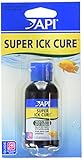
- Premium Choice: API LIQUID SUPER ICK CURE Freshwater and Saltwater Fish Medication Bottle, 1.7 oz (12A)
Those tiny white grains scattered across your fish like sprinkled salt are the unmistakable sign of ich, or white spot disease, the most common ailment in freshwater aquariums. Caused by the parasite Ichthyophthirius multifiliis, it spreads fast, and an untreated outbreak can wipe out an entire tank within days once the parasites multiply.
The good news is that ich is highly treatable when you understand its life cycle and act quickly. This guide explains how to identify, treat, and prevent white spot disease in 2026, combining temperature management with proven medications so you can break the parasite’s cycle and get your fish healthy again before the outbreak spreads.
As an Amazon Associate we earn from qualifying purchases at no extra cost to you.





⚡ Save on Your Next PC — Amazon Prime
Prime members get fast free shipping on the systems above, plus early access to Prime Day & Black Friday PC deals. New members get a 30-day free trial.
Watch: How to Control White Spot Disease (Ich) in Freshwater Aquariums — Video Review
Recognizing Ich Early
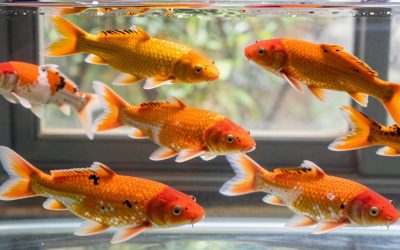
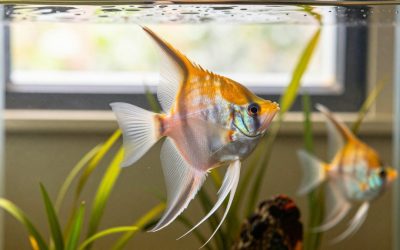
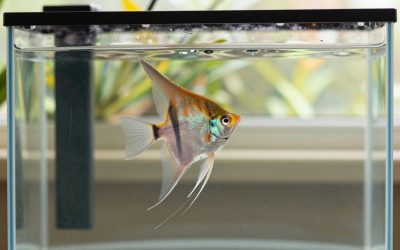
Watch for pinhead-sized white spots on fins and body, along with flashing, where fish scrape against decor, clamped fins, and rapid gill movement. Catching ich in these early stages, before spots cover the fish, dramatically improves the odds of a full recovery for your whole tank.
Understanding the Life Cycle
Ich is only vulnerable to medication during its free-swimming stage, not while buried in the fish’s skin. That is why treatment must continue for the full course, and why raising temperature helps: warmth speeds the parasite through its cycle so medications can reach it faster.
- The parasite drops off the fish, multiplies, then releases free-swimmers that must find a host within about 48 hours.
- Medications like Ich-X and API Super Ick Cure target this free-swimming phase, so timing and duration matter.
Treating the Outbreak
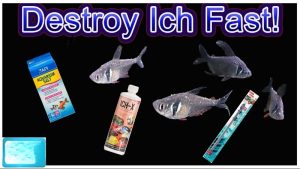
Choose a proven medication and follow the dosing schedule exactly. Hikari Ich-X and API Liquid Super Ick Cure are widely trusted for freshwater ich, while gentler options like Tetra Ick Guard suit community tanks. Continue treatment for several days past the last visible spot to catch every generation of parasites.
Using Heat and Salt as Support
Gradually raising temperature to around 82-86°F accelerates the parasite’s life cycle, shortening treatment time. Some keepers add aquarium salt for extra support, though you must confirm your fish and any plants tolerate it. Increase aeration when raising heat, since warm water holds less oxygen.
Tips
- Remove activated carbon during treatment, as it strips medication straight out of the water.
- Treat the entire tank, not just visibly infected fish, since the parasite is already throughout the water.
- Quarantine new fish for two to four weeks to keep ich from entering your display in the first place.
- Keep water quality pristine during treatment, as clean water helps stressed fish recover faster.
Frequently Asked Questions
How fast does ich kill fish?
An untreated outbreak can be fatal within days, especially as parasites damage gills. Prompt treatment usually saves the tank if started early.
Why does raising temperature help?
Heat speeds the parasite through its life cycle to the free-swimming stage, which is the only phase medications can actually kill.
Can I treat ich without medication?
Heat and salt help mild cases, but established outbreaks usually need a dedicated ich medication to reliably clear every parasite generation.
How long should I treat?
Continue for several days after the last spot disappears, ensuring you catch parasites still cycling through their life stages in the water.
Conclusion
White spot disease looks alarming, but it is one of the most beatable problems in freshwater keeping when you act fast and understand the parasite’s cycle. Spot it early, dose a proven medication for the full course, and use gentle heat to speed treatment along. Combine that with strong quarantine habits and clean water, and ich becomes a manageable setback rather than a tank-ending disaster.
Best Medication for Ich in Aquarium: A Careful Buyer Guide
Red Tiger Lotus Care: Light, Planting and Common Problems