Last Updated: October 21, 2026
- Top Pick: Fluval Sea Marine 3.0 LED Aquarium Lighting for Coral Growth, 36-46 Inches
- Best Value: hygger Clip On 24/7 Lighting Aquarium LED Light,Sunrise-Daylight-Moonlight and DIY Mode, Adjustable Timer/Brightness Fish Tank Light with 7 Colors for Planted Tank (14W for 12~20in Tank)
- Premium Choice: NICREW HyperReef 200 Gen 2 Reef LED Light, 200W Reef Aquarium Lighting for SPS LPS Corals and Saltwater Fish Tanks, Enhanced Violet and Blue Spectrum, Wide Angle Lens, 5 Channels Fully Programmable
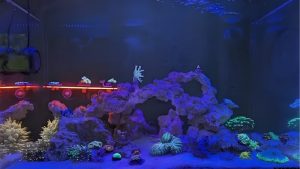
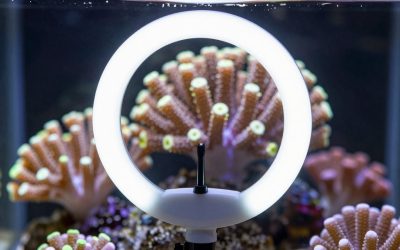
Light is food for coral. Through the symbiotic algae in their tissue, corals convert light into the energy they need to grow, color up, and thrive, which makes lighting the most important, and often most expensive, purchase in a reef tank. The good news is that 2026 offers genuinely capable reef LEDs at prices that would have been unthinkable a few years ago.
This roundup gathers the best budget aquarium lighting for coral growth, from affordable full-spectrum fixtures for soft corals and LPS to more serious lights that can support demanding SPS on a reasonable budget. We cover what to look for in spectrum, intensity, and control so you can grow healthy coral without overspending.
As an Amazon Associate we earn from qualifying purchases at no extra cost to you.




⚡ Save on Your Next PC — Amazon Prime
Prime members get fast free shipping on the systems above, plus early access to Prime Day & Black Friday PC deals. New members get a 30-day free trial.
Watch: Best Budget Aquarium Lighting for Coral Growth — Video Review
How to Choose
- Match intensity to your corals: Soft corals and LPS need moderate light, while SPS demand high PAR, so buy for the most demanding coral you plan to keep.
- Prioritize full spectrum: Corals rely heavily on blue and actinic wavelengths, so choose fixtures with strong blues, not just bright white output.
- Size the fixture to your tank: Coverage matters; a light must span your tank’s length and depth to reach corals at the bottom.
- Look for controllability: Programmable or app-controlled lights let you ramp intensity and run natural sunrise-to-sunset cycles.
- Acclimate corals to new light: Even a budget light can be too intense at first, so start low and increase over weeks.
The Best Picks Reviewed
hygger 24/7 Clip-On Aquarium LED Light
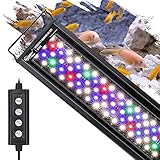
At just $30 this clip-on full-spectrum light with sunrise, daylight, and moonlight modes is the budget entry for nano soft-coral tanks. Its built-in cycle automates lighting while keeping the price accessible for beginners.
PopBloom RL60 WiFi Reef LED (60W)
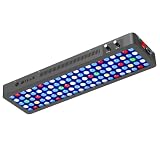
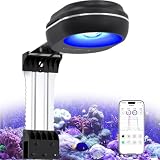
This $89 WiFi-controlled full-spectrum fixture brings app control and marine-tuned wavelengths to small and mid reef tanks. The programmable control at this price makes it a standout for growing coral without a premium light budget.
Wills 200W Full Spectrum Reef Light
For $171 this 200W fixture covers larger tanks with the intensity LPS and even some SPS need. Its broad coverage and strong output deliver serious growing power at a mid-budget price point.
NICREW HyperReef 100 Gen 2 (100W)
At $200 this 100W reef LED is built specifically for SPS and LPS corals, offering the high PAR demanding corals require. For hobbyists ready to keep tougher species, it is an affordable step into real SPS lighting.
Fluval Sea Marine 3.0 LED (36-46 inch)
This $220 fixture spans 36-46 inch tanks with app-controlled full-spectrum output tuned for coral growth. As the premium option here, it rewards a slightly higher budget with refined control and reliable coverage for a large reef.
Frequently Asked Questions
Do budget lights really grow coral?
Yes. Modern budget reef LEDs grow soft corals and LPS well, and mid-priced units now provide enough PAR for many SPS, something once reserved for premium fixtures.
What spectrum do corals need?
Corals rely heavily on blue and actinic wavelengths, so a full-spectrum light with strong blues supports growth and brings out fluorescent coloration.
How long should reef lights run?
A photoperiod of about 8-10 hours works for most reef tanks, ideally with a gradual ramp up and down to mimic natural light.
Can too much light harm coral?
Yes. Sudden high intensity can bleach corals, so acclimate new lights by starting at lower brightness and increasing over several weeks.
Final Thoughts
Great coral growth no longer requires a premium price tag. Match the fixture’s intensity to your corals, insist on strong full-spectrum blues, and size it to cover your whole tank. Budget clip-on lights handle soft corals beautifully, while affordable reef LEDs now push enough PAR for LPS and SPS. Acclimate your corals slowly, run a natural photoperiod, and even a modest lighting budget can grow a vivid, thriving reef.
Best Protein Skimmer for Reef Tank: Compared by Numbers
6 Best Marine Aquariums With Sump 2026