Last Updated: October 4, 2026
The best biocube setup for a beginner reef keeps things simple: run the stock BioCube 32’s 264-GPH filtration pump and reef-capable LED, add a correctly sized heater, and treat the protein skimmer as optional based on your livestock and nutrients. Do not assume the 264-GPH return is enough coral flow everywhere.
As an Amazon Associate we earn from qualifying purchases.
As an Amazon Associate we earn from qualifying purchases at no extra cost to you. Prices and availability are accurate as of the date shown and are subject to change.
By David Nguyen
Quick answer: For most people in 2026, the best biocube setup for a beginner reef is the Stock return pump — our #1 rated choice. See the full ranked comparison, alternatives and buying advice below.
How to Set Up a BioCube 32 for a Beginner Reef
Start with the stock 264-GPH filtration system, understand what the stock light delivers, add a correctly sized heater, and decide whether you actually need the skimmer. The table lists a simple starter stack, and the sections below explain each part for a first reef.
| Component | Spec | Approx. Price | Note |
|---|---|---|---|
| Stock return pump | 264 GPH filtration | Included | ~8.25x nominal return turnover |
| Stock LED | PAR 53 avg / 81 peak at 12″ | Included | Reef-capable baseline |
| Eheim JAGER heater | 100W, 26-40 gal | ~under $40 | Matches nominal 32 gal |
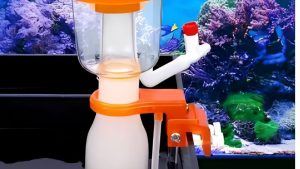
| BioCube skimmer | Up to 32 gal | ~under $50 | Optional, not day-one required |
Start With the Stock 264-GPH Filtration System
The BioCube 32 ships with a 264-GPH filtration pump, which is 264 divided by 32, or about 8.25 times nominal return turnover. That figure describes water passing through the rear filtration chambers, not coral flow across the display, so read it as filtration circulation.
So use the stock pump for filtration and judge coral flow separately. The 8.25 times number is nominal return turnover using the tank’s rated size, not a measurement of whole-display circulation, which is why it should not be presented as the flow reaching your corals.
Understand What the Stock Light Can Actually Deliver
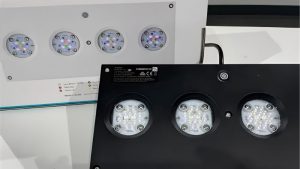
Coralife reports an average PAR of 53 and a peak of 81 at 12 inches under its specified measurement area. Those are useful baseline figures, but coral placement still depends on your actual rock height and the species you keep, not the numbers alone.
So treat the light as reef-capable at a baseline level and place corals by their PAR needs. The peak 81 applies at a specific point, not across the whole tank, which is why matching each coral to a suitable spot matters more than a single headline figure.
Add a Correctly Sized Heater
The BioCube 32 does not include a heater, so add one sized for the tank. The Eheim JAGER 100W is manufacturer-listed for 26 to 40 gallons, matching the nominal BioCube 32 size, priced around $35 as of September 2026.
So budget a heater as a required addition rather than assuming it comes in the box. Matching the wattage to the tank’s gallon range keeps temperature stable, which is a core parameter for a beginner reef and worth getting right from the start.
Decide Whether You Actually Need the Skimmer
The current BioCube skimmer is rated up to 32 gallons and costs around $45. It is compatible, but that does not mean every beginner must run one from day one, since nutrient management can work without a skimmer at this scale early on.
So treat the skimmer as optional based on your bioload and nutrient readings. Adding it later if nutrients climb is reasonable, which is why a first BioCube reef does not have to include a skimmer immediately to be set up correctly.
Adjust for Your Situation
Beyond the stock stack, adjust by adding flow where coral placement needs it, using the stock media before buying reactors, treating PAR as a map, and budgeting the consumables the tank subtotal leaves out. These refinements follow your actual reef rather than upgrading everything at once.
Add Extra Flow Based on Coral Placement
A mixed reef commonly needs more distributed circulation than the single 264-GPH return can create, but any added powerhead must be sized to your coral type and aquascape. So add flow where corals show dead spots rather than by default.
So observe where movement is weak and place a small wavemaker accordingly. The stock return handles filtration, while corals often need broader in-display flow, which is why extra circulation is a targeted addition guided by placement rather than an automatic purchase.
Use the Stock Media Tray Before Buying Reactors
The BioCube 32 already includes a media tray, a sponge pre-filter and a mechanical and carbon cartridge. So start with the stock filtration before adding reactors, since the tank ships with enough to establish basic mechanical and chemical filtration.
So run the stock media first and add reactors only if water tests show a need. Beginning with what the tank includes avoids buying redundant equipment early, which is why the stock tray is the sensible starting point before investing in extra filtration hardware.
Treat PAR as a Map, Not a Coral Guarantee
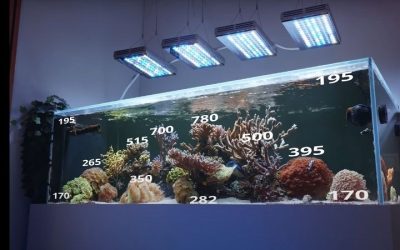
A peak of 81 PAR at 12 inches under Coralife’s test conditions does not mean every point in the aquascape receives 81. PAR varies across the tank by depth and position, so the peak figure maps one spot rather than guaranteeing coral success everywhere.
So use PAR values to place corals, not as a promise. The average of 53 and peak of 81 describe different points, which is why matching each coral to a suitable location, rather than assuming uniform light, is the practical way to read those numbers.
Budget the “Missing” Consumables
The roughly $600 subtotal for the tank, heater and skimmer still excludes rock, sand, saltwater, salinity testing and livestock. So the real cost to a water-ready reef is higher than the tank plus a couple of components suggests.
So plan for those consumables from the start. A beginner budget should include substrate, salt and test gear on top of the hardware, which is why the subtotal is a starting figure rather than the complete cost of getting the reef running.
Frequently Asked Questions
Beginners ask whether the BioCube 32 includes a heater, whether it includes a skimmer, whether the stock pump is enough, and whether the LED grows coral. The answers below keep filtration return separate from coral flow and PAR peak separate from tank-wide light.
Does BioCube 32 Include a Heater?
No verified heater is listed among the current BioCube 32 included components, so plan one separately. A tank this size needs a heater for stable temperature, and it is not part of the base package, so budget it as a required addition.
So add a correctly sized heater, such as a 100W unit rated for the 26 to 40-gallon range. Getting temperature stable is a core early task, which is why the missing heater is one of the first components to buy alongside the tank.
Does BioCube 32 Include a Protein Skimmer?
No. Coralife sells the compatible skimmer separately, so the BioCube 32 does not ship with one. The tank includes its filtration tray and pump, but skimming is an optional add-on rather than an included component.
So decide on a skimmer based on your bioload rather than assuming it comes with the tank. Many beginners run a first BioCube without one initially, adding it later if nutrients rise, which is why it is optional rather than a required part of the setup.
Is the Stock 264-GPH Pump Enough?
It is the stock filtration return, moving water through the rear chambers. Whether it provides enough display circulation depends on your livestock and layout, since filtration flow and coral flow are different, and the return is not sized for the latter.
So the pump is enough for filtration but may not be for coral circulation. A mixed reef often benefits from an added wavemaker for in-display flow, which is why the stock return should be judged as filtration rather than as the tank’s total circulation.
Can the Stock LED Grow Coral?
Coralife markets it as reef and coral capable and provides measured figures of average PAR 53 and peak 81 at 12 inches. So it can grow coral at a baseline level, but match those values to each coral’s specific PAR needs rather than assuming it suits every species.
So use the measured PAR to place corals appropriately rather than saying yes for every coral. Lower-light corals suit the average areas while more demanding ones need the brighter spots, which is why coral-specific PAR needs guide what the stock light can grow.
Final Thoughts
For a beginner BioCube, avoid upgrading every component immediately: the best biocube setup for a beginner reef establishes stable temperature, salinity and filtration first, then uses real coral and flow needs to justify upgrades. Keep the stock pump and LED as baselines, add a correctly sized heater, treat the skimmer and extra flow as needs-based, and budget the rock, sand, salt and test gear the tank price leaves out.
Ready to decide? Our #1 pick for 2026 is the Stock return pump.
Live price & availability on Amazon.
Related Reviews & Guides

Best 300 GPD RODI System for Large Tanks: Top Top Picks
9 Best Aquarium Protein Skimmers for Saltwater Tanks