Last Updated: October 4, 2026
- Top Pick: Canton Aquatics Water Sprite (Indian Fern)
- Best Value: Heirloom Garden Water Sprite Ceratopteris Siliquosa Live Plant – Live Aquarium Plants Accessories, House Plants Indoors, Terrarium Kit, Perfect for Water Fish Tank Decorations, Green
- Premium Choice: Lush Houseplant Dechlorinator, Ultra‑Concentrated Water Conditioner, 120ml
Water Sprite Care: Plant It or Float It?
Water sprite offers two genuinely different jobs. Rooted in the substrate, it becomes an upright, fernlike background plant. Left floating, it spreads near the surface, builds dangling roots, and creates shade and cover. Neither method is universally superior. The right choice depends on surface access, feeding, circulation, light below, and how often the aquarist is willing to prune.
The accepted name commonly associated with water sprite is Ceratopteris thalictroides, a broadly distributed aquatic fern. Trade names may also be applied to related Ceratopteris. Confirm identity and native-range context through Kew Plants of the World Online. Wild records show ecological breadth, not a single mandatory captive parameter range.
As an Amazon Associate we earn from qualifying purchases at no extra cost to you.


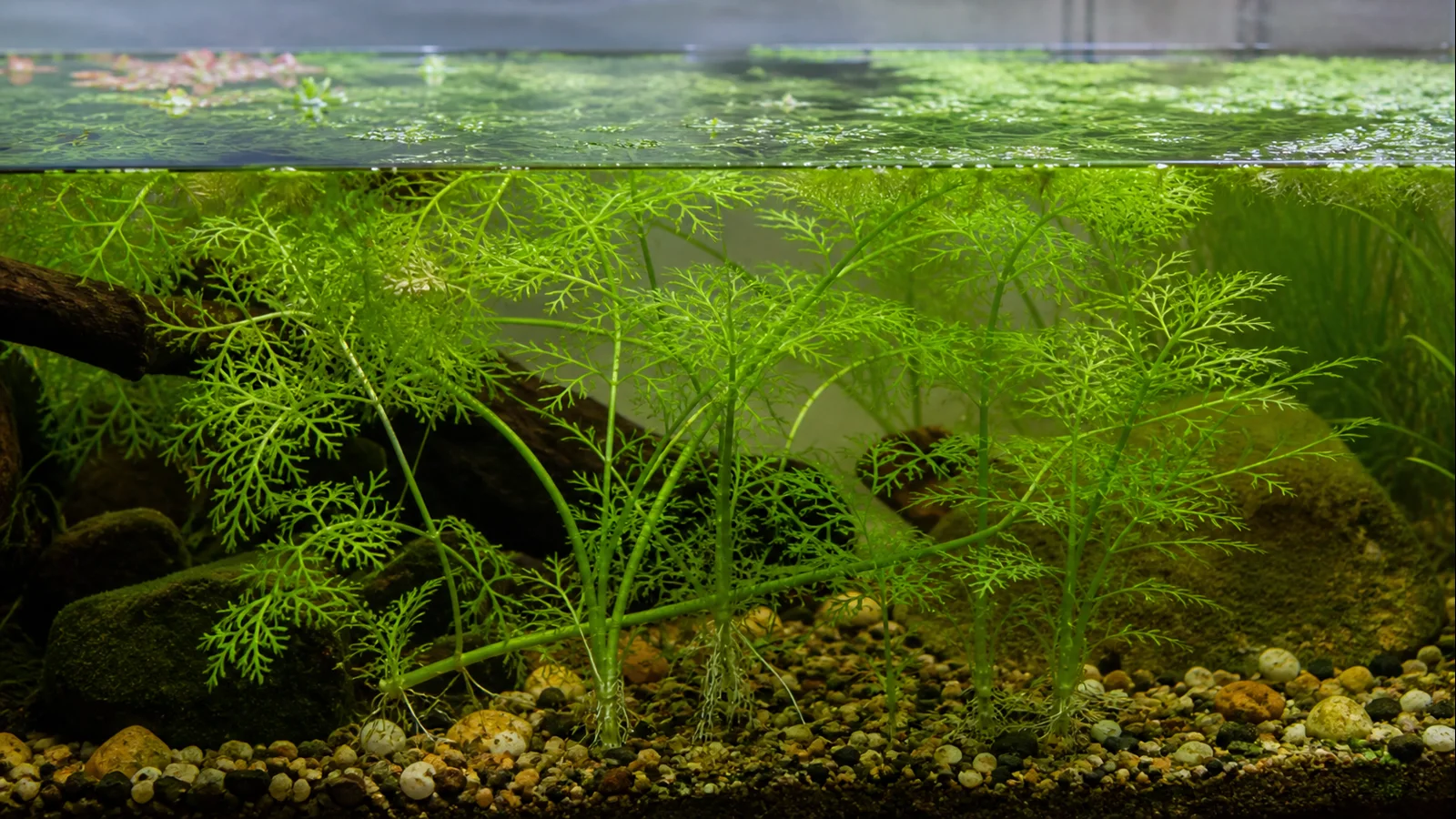
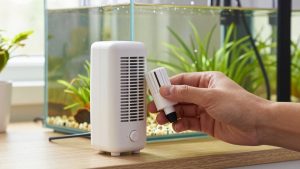
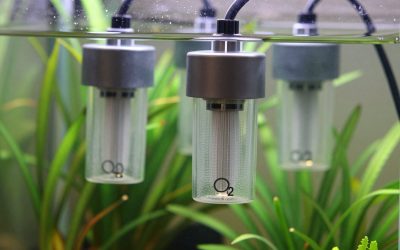
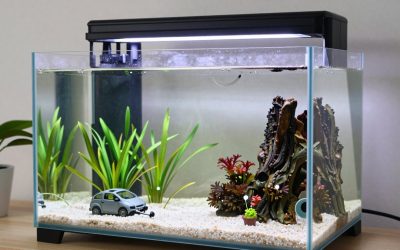
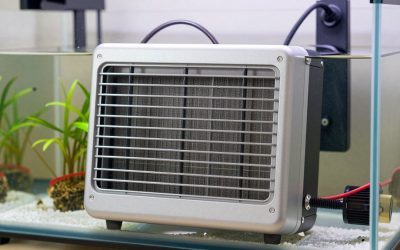
Editorial illustration; not evidence for species identification.
Choose a growth mode deliberately
Rooted water sprite keeps the surface clearer and gives the layout a vertical anchor. Its roots enter the substrate, but much nutrition can still come from the water column. Planting also makes it easier to reserve open areas for fish that breathe, feed, or display at the surface.
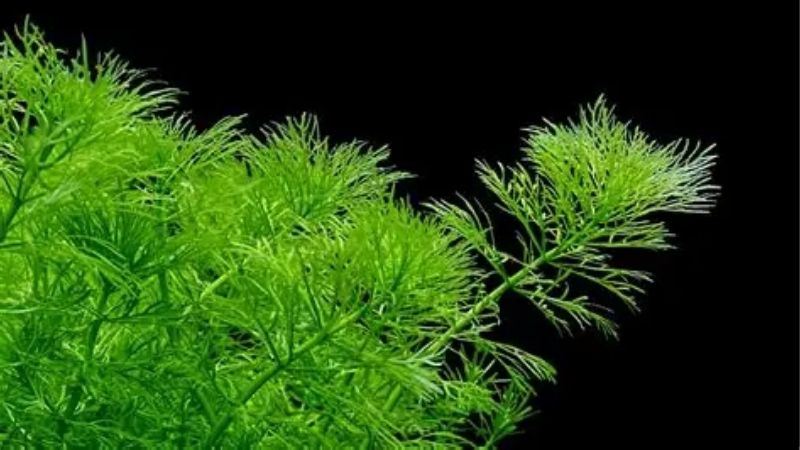
Floating water sprite sits closer to the fixture and can grow rapidly when nutrients are available. Its roots and lobed leaves provide visual cover, yet an unmanaged mat can shade lower plants, obstruct feeding, reduce surface movement, and collect condensation or debris. Labyrinth fish and other air-breathing animals still need unobstructed access; no floating plant should be allowed to seal the surface.
The site’s floating aquarium plant guide compares other species and their containment demands. Make the selection for the whole community rather than treating shade as automatically beneficial.
How to root water sprite
Remove nursery wool and inspect the plant. Healthy growing tissue should be firm, while dark mushy bases should be trimmed away with clean scissors. Water sprite can be brittle, so handle the base instead of squeezing delicate leaf blades.
Place roots into sand, fine gravel, or planted soil and keep the growing crown above the surface. Burying the crown invites decay. A plant weight may hold a loose specimen temporarily, but it must not pinch tissue. Space rooted plants far enough apart for light and flow to reach their bases; a crowded bunch quickly loses lower leaves.
Substrate fertility is helpful but not the only nutrient pathway. In an active soil, additional root feeding may be unnecessary. In inert substrate, observe growth before adding anything. Water sprite often responds strongly to water-column conditions, making measured liquid fertilization more relevant than repeated concentrated tabs.
How to float it without losing control
Rinse and inspect the plant, then lay it on the surface with leaves exposed to air where their form permits, rather than forcing the entire mass underwater. Keep it away from a forceful return that repeatedly tumbles or submerges it. A floating ring, airline corral, or calm end of the tank can create a stable zone.
“Calm” must not mean stagnant. Preserve visible surface movement and an open lane for gas exchange, feeding, and animal access. Check that lids do not press wet leaves against hot lamps or hold constant dripping condensation over sensitive growth. Remove excess plants before they cover most of the surface.
Roots may lengthen dramatically. Trim a portion with clean scissors if they obstruct swimming, but avoid removing all roots and most leaves in one session. Animals may use the root curtain as cover, so change it gradually and observe behavior.
Balance light above and below
Tropica’s commercial plant database supplies useful growth and difficulty categories for aquarium stock. Floating plants receive stronger light than specimens at the substrate, even under the same fixture. Watch for pale or scorched upper tissue, algae below the mat, and stretching in rooted plants.
Begin with a consistent moderate photoperiod. If floating water sprite grows aggressively, harvest biomass rather than immediately reducing light needed by rooted species. If plants below weaken, enlarge the open surface area. If a rooted specimen stretches and sheds lower leaves, improve spacing and light access before turning the fixture to maximum.
Water sprite can fit a budget low-tech planted aquarium because carbon dioxide injection is not required for basic growth. Where injection is used, vigorous surface cover makes gas management more important. Fish gasping or breathing rapidly requires immediate aeration and water-quality checks; persistent signs need an aquatic professional or qualified aquatic veterinarian.
Nutrition: rapid uptake is not a dosing license
Fast growth can remove dissolved nutrients, but the plant does not make overdosing safe. Use a complete aquarium fertilizer only when the planting and test history support it. Follow the label, calculate actual water volume, and account for fish feeding and nutrient-rich substrate. The liquid fertilizer guide explains scheduling and observation.
Pale new growth, damaged old fronds, and stalled buds can have multiple causes: nutrient limitation, shade, temperature stress, shipping damage, or an unstable environment. Make one measured correction and observe new growth. Do not use livestock symptoms as evidence that plants need more fertilizer.
Regular harvesting is nutrient export. Removing a large basket of healthy growth takes the nutrients stored in that tissue out of the system; throwing it back into the tank to decay returns them. Coordinate pruning with water changes and filter maintenance, while preserving enough plant mass to avoid an abrupt layout and nutrient shift.
Stable, dechlorinated freshwater within the livestock’s appropriate range matters more than chasing a narrow number copied from a wild habitat. Acclimate new plants, record major changes, and avoid sudden temperature or chemistry swings made solely to accelerate foliage.
Prune according to structure
Remove failing outer fronds close to their origin and retain healthy growing points. For an oversized rooted plant, thin selected leaves or replace it with a healthy daughter rather than chopping every frond across the middle. Floating colonies can be thinned by removing entire plants and fragments.
Adventitious plantlets may form on older leaves. Allow a plantlet to develop leaves and roots before separating it. This makes propagation easy, but also means small pieces can become new plants. Inspect intakes, overflow teeth, and adjacent tanks during maintenance.
Use dedicated or cleaned tools and quarantine new specimens when possible. Fern tissue can respond poorly to improvised chemical dips. Manual inspection and a separate observation container avoid guessing at concentrations that may harm the plant or contaminate wastewater.
Troubleshooting planted and floating forms
A rooted plant that loosens repeatedly may have been planted too shallowly, placed in coarse substrate, or exposed to digging animals. Replant without burying the crown and use a non-constricting temporary anchor. A dark soft base suggests decay; remove affected tissue and improve spacing and cleanliness.
A floating plant that breaks apart may be battered by the return, trapped under a lid, or transitioning from nursery conditions. Create a protected but ventilated surface zone. Yellow lower growth under a thick mat often reflects self-shading. Thin first, then assess nutrition.
Algae tangled through fine leaves is easier to prevent than scrub. Reduce excessive exposure, clear detritus, and remove heavily affected fronds. Do not add an algae-eating species without meeting its complete welfare needs, and do not use an algaecide unless it is labeled for every organism present.
Disposal must stop spread
Water sprite’s ability to reproduce from small plantlets makes release especially irresponsible. Regulations differ, and some Ceratopteris or lookalike plants may be restricted. UF/IFAS hosts aquatic plant resources, and the U.S. Fish and Wildlife Service explains invasive-species pathways.
Never discard plants or aquarium water into toilets, sinks, storm drains, ponds, canals, or streams. Check local rules; where household trash is approved, seal fragments securely. Dry or freeze them first if the environmental authority recommends it. Compost only with explicit permission and no drainage route to natural water.
A two-zone weekly check
At the surface, preserve open water, gentle movement, feeding access, and clearance from equipment. Below, check whether rooted plants and animals still receive light and swimming space. Remove damaged tissue, harvest surplus whole plants, and record fertilization. Water sprite succeeds when its rapid, flexible growth is assigned a job and kept within boundaries—not when it is simply allowed to fill every available layer.
Sources
- Kew Plants of the World Online: Ceratopteris thalictroides search
- Tropica aquarium plant database
- UF/IFAS Center for Aquatic and Invasive Plants
- U.S. Fish and Wildlife Service: Aquatic Invasive Species
Related Reviews & Guides
Swordtail Fish Care: Space, Water and Population Control
Best Rimless Aquarium for a Living Room: Top Design Picks