Last Updated: October 4, 2026
Red Root Floater Care: Color, Flow and Cover
Red root floater is often marketed through one photograph: crimson leaves above equally red roots. Color is only one outcome, and chasing it can conflict with the aquarium’s real needs. Surface access, gas exchange, controlled spread, safe lighting, and healthy animals matter more than forcing every leaf to become red.
The accepted species is Phyllanthus fluitans, a free-floating plant native to parts of the Americas. Verify taxonomy and distribution through Kew Plants of the World Online. A wild distribution record describes where the plant occurs; it does not establish a single ideal captive temperature, nutrient concentration, or lighting dose.
As an Amazon Associate we earn from qualifying purchases at no extra cost to you.






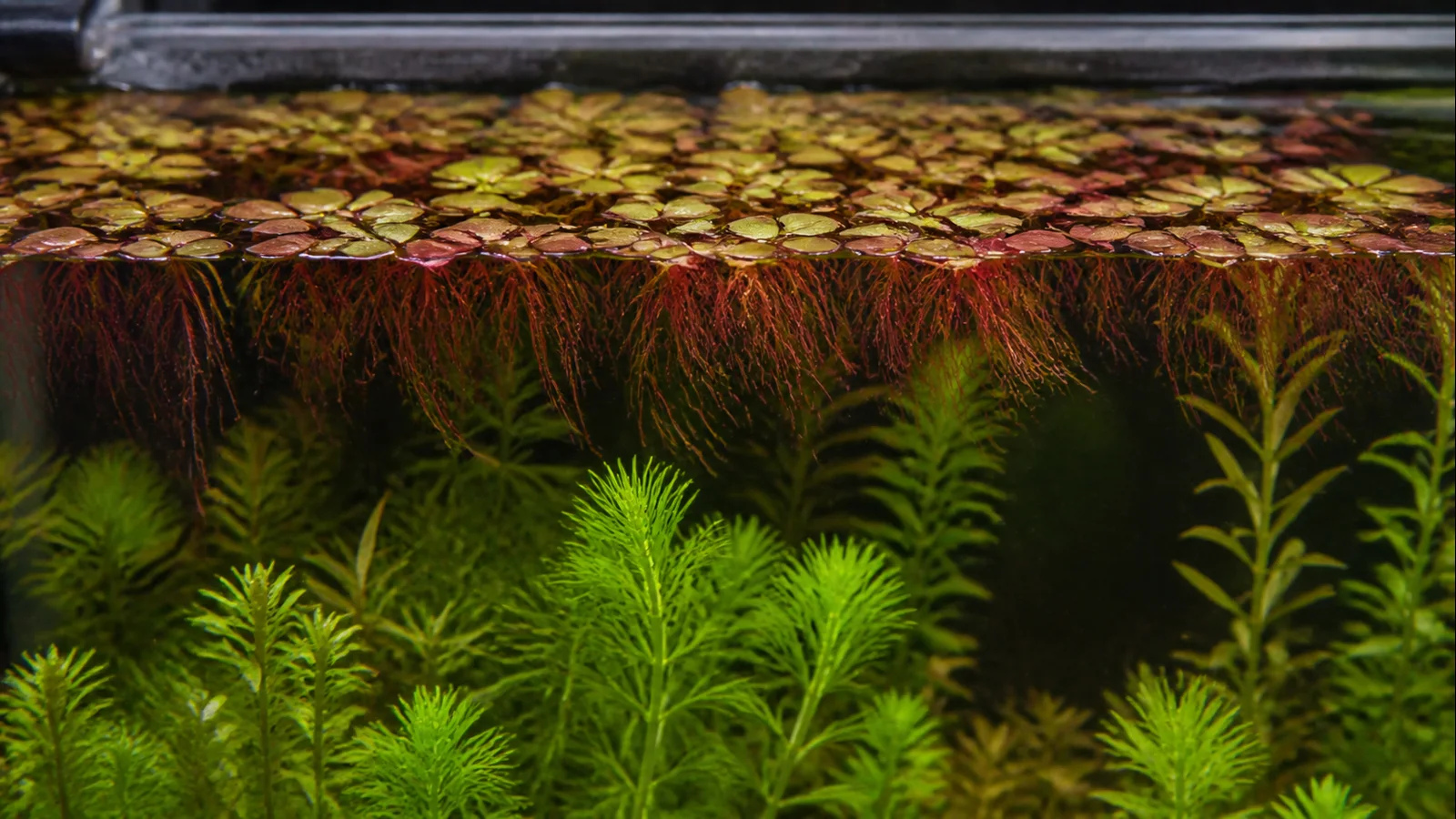
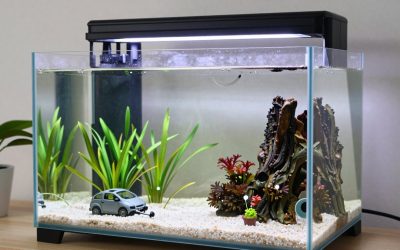
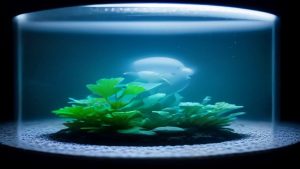
Editorial illustration; not evidence for species identification.
Reserve an open surface before adding it
Floating leaves occupy the tank’s air-water boundary, which is also used for gas exchange, feeding, equipment flow, and air-breathing fish. Plan a corral rather than scattering plants everywhere. Airline tubing, a purpose-made ring, or a partition attached away from heat can keep a colony on one side. Leave an open lane around filter returns and feeding points.
Coverage should be judged by function, not a fixed percentage. A shallow tank with labyrinth fish, a densely stocked aquarium, and a display with shade-sensitive stems have different limits. The surface must remain visibly moving somewhere, and animals must reach air or food without pushing through a solid mat.
The site’s floating plant comparison can help decide whether this species’ small leaves and frequent thinning suit the maintenance routine. A floater is not automatically appropriate just because fish appreciate cover.
Give gentle movement without soaking the leaves
Red root floater usually performs best away from splashing, tumbling returns. Constantly wet upper surfaces and repeated submersion can damage leaves. Redirect an outlet against glass, lower turbulence in the plant zone, or use a corral. Never reduce overall circulation so far that oxygenation or filtration suffers.
This distinction matters: calm plant water can coexist with active surface movement elsewhere. Check dead corners for film and debris. If the entire surface becomes still, reassess return direction, aeration, and plant density rather than accepting stagnation as floater care.
Lids create another variable. Condensation may drip steadily onto leaves, especially when the air gap is small or night temperatures differ. Increase safe clearance, thin plants beneath drip points, and follow the aquarium and light manufacturers’ instructions. Do not remove a lid needed to prevent animal escape without replacing that safety function.
Treat red color as a response, not a requirement
Color varies with genetics, leaf age, usable light, nutrient status, and acclimation. Stronger light can encourage red pigmentation, but excessive exposure can damage foliage, overheat a poorly ventilated surface, or increase algae below. Nutrient restriction may deepen some coloration while also slowing growth; deliberately starving a shared aquarium is not sound care.
Start with a stable moderate photoperiod and evaluate healthy new leaf production. The site’s planted LED comparison helps interpret spread, intensity, and fixture control. Measure or consult manufacturer data instead of relying on color names such as “full spectrum.”
Tropica’s commercial plant database is a practical source for traded-plant growth categories, though commercial classifications do not replace observation in a particular aquarium. Raise intensity gradually if the colony is healthy, green, and the goal is more pigmentation. Stop if bleaching, pinholes, heat, animal avoidance, or algae appears.
Red roots may vary too. Root color alone does not diagnose health. Look for intact new leaves, multiplication, firm roots, and absence of widespread decay. A vigorous green colony is healthier than a collapsing red one.
Supply nutrients with restraint
Because red root floater has no substrate connection, it depends on nutrients in the water. Fish food and waste may support it in a stocked aquarium; lightly stocked displays may need a complete liquid fertilizer. Use an aquarium product at its labeled amount based on actual water volume, and consider what active soil or other additives already release.
Do not add iron solely because the common name includes “red.” Pigmentation is not a direct iron test, and excess micronutrients can harm livestock or fuel unwanted growth. Pale or damaged leaves can arise from splashing, shade, transition, nutrient imbalance, or physical handling. Compare symptoms across new and old leaves and across plant species. The nutrient deficiency guide should generate questions, not justify blind dosing.
Floating plants can remove nutrients quickly when growing, then release them when a thick layer dies. Harvest healthy surplus regularly. This is more controllable than waiting for shaded lower leaves to decay in the aquarium.
Carbon dioxide injection is not needed because leaves access atmospheric carbon dioxide. Dense cover can, however, complicate gas exchange for animals below. Fish gasping, rapid breathing, or gathering at the return requires immediate water-quality and aeration action. Persistent or unexplained animal signs need a qualified aquatic veterinarian or experienced aquatic professional, not fertilizer adjustment.
Thin by removing whole clusters
Small floating plants multiply across the available surface. Each week, remove entire healthy clusters from crowded areas, retaining a mix of young and established growth. Avoid tearing the colony into tiny fragments that lodge behind equipment. Use a fine net to collect loose pieces, then check the filter intake and overflow.
Keep enough cover to serve the design without creating a multilayer pile. Lower layers receive less light, stay wetter, and decay first. Thin before this happens. During a large harvest, remove perhaps in stages if livestock uses the roots for security, and observe whether shy animals become exposed.
Roots can be shortened when they obstruct an important swimming or feeding zone, but leave functional roots on retained plants. Clean scissors between aquariums. Never pour a bucket of pruning water outdoors; plant fragments may remain viable.
Solve common failures by location
Leaves turning soft after introduction may be acclimating, but inspect the surface mechanics. Are they repeatedly pushed underwater? Does condensation strike the same area? Are they trapped against a hot or wet lid? Correct the location and remove decaying material before changing nutrients.
A colony gathering at the intake needs a better corral or return pattern. A colony that remains green despite adequate light may simply express its genetics or current nutrient balance. If growth is otherwise healthy, color alone is not a failure.
Pinholes and pale new leaves across the colony justify a review of fertilizer history and water source. Similar damage only beneath a drip line points instead to wetting. Browning roots with healthy new leaves may represent normal turnover; browning accompanied by collapsing foliage is a system warning.
Inspect or quarantine new floaters for snails, eggs, duckweed, and pests. Their small, delicate leaves make improvised chemical dips risky. Manual sorting under bright light and separate observation are more conservative than copying an unsupported disinfectant recipe.
Safe disposal and legal checks
Floating plants are easily moved by birds, floods, drains, and discarded aquarium water. Phyllanthus fluitans may be regulated in some jurisdictions, and rules can change. UF/IFAS provides aquatic plant identification resources; the U.S. Fish and Wildlife Service aquatic invasive species program explains ecological and legal concerns around releases.
Check local, state or provincial, and national rules before purchase, sale, transport, or outdoor culture. Never release a live plant to a pond, stream, canal, drain, toilet, or storm system. Where household waste is permitted, seal the material securely. Dry or freeze it if local authorities specify that process. Compost only when expressly allowed and isolated from waterways.
A surface-first success test
Once a week, look across the tank rather than only at leaf color. There should be open, moving water; unobstructed feeding and breathing access; no wet pile under the lid; healthy new clusters; and adequate light below. Record lighting and fertilizer changes, harvest before layering begins, and keep the colony within its corral. Red coloration is a satisfying result when it appears, but a safe, functional surface is the actual achievement.
Sources
- Kew Plants of the World Online: Phyllanthus fluitans search
- Tropica aquarium plant database
- UF/IFAS Center for Aquatic and Invasive Plants
- U.S. Fish and Wildlife Service: Aquatic Invasive Species
Related Reviews & Guides
6 Best Aquarium Chillers For Axolotl 2026
Best Aquarium Kit For Beginners 2026: Top Compared Buyer Guide