Last Updated: October 21, 2026
- Top Pick: Wet & Forget Outdoor Cleaner & Stain Remover – Mold, Mildew & Algae, 128oz
- Best Value: Home Armor Outdoor Cleaner+, 64 oz., Remove Stains from Mold, Mildew, Algae, Dirt and Grime for Visible Results in Seconds, No Scrubbing Required, Plant Safe When Used as Directed
- Premium Choice: Home Armor Outdoor Cleaner Concentrate, 1 gal., Remove Stains from Mold, Mildew, Algae, Dirt and Grime for Visible Results in Seconds, No Scrubbing Required, Plant Safe
Green spot algae removal is the one algae job where the counterintuitive answer turns out to be the correct one: the fix is often more phosphate rather than less. Those hard green dots on glass and on anubias leaves form in tanks where light is plentiful and phosphate has been allowed to run scarce.
As an Amazon Associate we earn from qualifying purchases.
As an Amazon Associate we earn from qualifying purchases at no extra cost to you.




By David Nguyen
Hard Dots, High Light, Low Phosphate
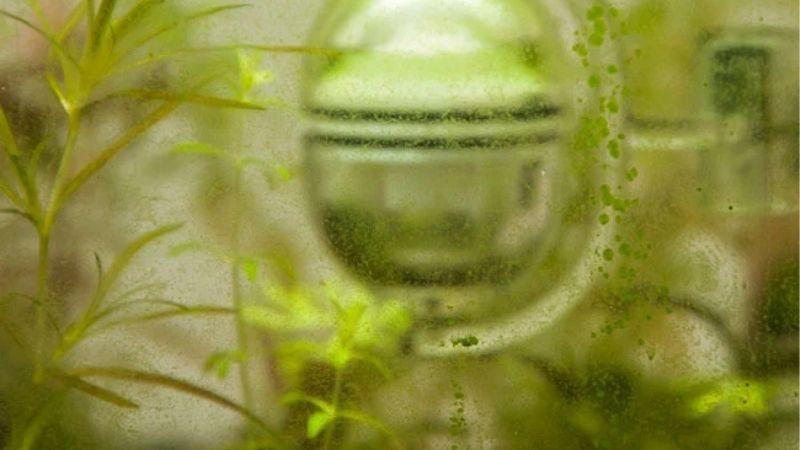
Green spot algae is a hard, adherent growth that appears as small circular dots rather than as film or strands. Green spot algae removal has two halves that both have to happen: physically scraping what is there, and correcting the imbalance that grew it.
The Deciding Numbers: Phosphate, Light Hours and Plant Growth
Low phosphate is the classic driver. In planted tanks running lean dosing, phosphate can sit near zero while light stays strong, and green spot appears on the slowest-growing surfaces first. A target around 0.5-1.5 ppm phosphate suits most planted tanks.
Count light hours against a reference of six to eight, and check whether direct daylight reaches the glass. High light with limited nutrients is the combination that produces it, which is why heavily lit tanks with careful dosing routines see it most.
Test ammonia, nitrite, nitrate and temperature as well. Nitrate under 10 ppm alongside green spot usually means the whole nutrient supply is lean rather than just phosphate, and the plants are almost certainly showing it in their new growth.
The Biology: Why It Sticks So Hard
Green spot attaches with a strong bond to hard surfaces, which is why it resists wiping in a way that film algae does not. It colonises glass, hardscape and the tough leaves of slow-growing plants such as anubias, java fern and bucephalandra.
Fast-growing plants rarely carry it. Their leaves are replaced quickly enough that the algae never establishes, so a stem plant tank with the same water chemistry can look clean while every anubias leaf beside it is speckled.
Phosphate limitation is the mechanism most often cited, and the relationship is about balance rather than about phosphate alone. Plants short of phosphate stop consuming light and other nutrients efficiently, which leaves a surplus available to something that tolerates the shortage better.
A small amount is normal in any lit tank. Most planted tanks develop a few dots on the glass between weekly cleanings, and that is a maintenance item rather than an outbreak. The problem is when it covers the glass within days of scraping.
Ranges Against Action Thresholds
The table pairs each pattern with what it indicates. Check where the dots are before reading it, because green spot on glass and green spot on leaves point at slightly different corrections.
| Where you see it | Readings and inputs | What it indicates | First action |
|---|---|---|---|
| Glass only, light film elsewhere | Phosphate near 0, light 8+ hours | Phosphate limitation with strong light | Dose phosphate, scrape weekly |
| Anubias and java fern leaves | Nitrate under 10 ppm | Lean dosing overall | Increase fertiliser, trim worst leaves |
| Glass nearest the window | Direct daylight on the tank | Light surplus in one area | Block daylight, cut photoperiod |
| Spreading fast across everything | Nitrate above 40 ppm too | Not phosphate limitation | Review light and total nutrient load |
| A few dots between weekly cleanings | All readings in range | Normal for a lit tank | Nothing beyond routine scraping |
What This Means in a Real Tank
Green spot algae removal comes up more often in well-run planted tanks than in neglected ones, which surprises people. Light intensity, dosing discipline and the proportion of slow-growing plants explain most of the variation between setups.
Tank Size, Placement and Fit
Placement decides the light half. A tank receiving direct daylight grows it fastest on the glass facing the window, and moving the tank two metres into the room changes that more than any adjustment to the fixture will.
Glass type matters for the removal half. A blade scraper works on glass and will scratch acrylic permanently, so check which material you have before buying one. Magnetic cleaners with a trapped grain of sand do the same damage on either surface.
Measure before you order: scraper blade width against the gap between glass and hardscape, fixture length against tank length, 4-6 in (10-15 cm) behind the tank for a hang-on-back filter, and stand capacity against roughly 10 lb/gallon (about 1 kg/L) filled.
How This Differs Across 10, 20 and 55 Gallon Tanks
Small tanks swing in nutrients faster in both directions. A 10 gallon (38 L) tank can be stripped of phosphate within days by a good stand of plants, while a 55 gallon (208 L) tank with the same planting holds a reserve much longer.
Dosing precision matters more in nano tanks. A standard dose intended for 20 gallons (76 L) is a substantial overdose in a 5 gallon (19 L) tank, and both overshooting and undershooting produce visible consequences within a fortnight.
Deeper tanks compound the light half. PAR falls through water, so a fixture strong enough to reach the substrate of a tank 18 in (46 cm) deep delivers considerably more at the top, and the upper glass is where green spot appears first.
Flow plays a smaller role than it does with black beard, but it is not nothing. A baseline turnover of 4-6 times tank volume per hour keeps nutrients circulating to plants everywhere in the tank, and printed GPH drops 30-50% once media and hoses are loaded.
How Plants, Dosing and Running Costs Change the Picture
Slow-growing plant collections carry the burden of green spot algae removal. A tank built around anubias, java fern and bucephalandra will show green spot on those leaves in a way a stem plant tank never does, because those leaves stay in place for years.
Lean dosing philosophies increase the risk directly. Running phosphate near zero to suppress other algae types is a legitimate approach in some setups, and green spot is the trade-off that comes with it rather than a sign the method failed.
Running costs are worth weighing here, because the light half is the expensive half. A fixture and its timer run every day of the year, and electricity prices have risen in many regions, so an eight-hour photoperiod cut to six saves power while removing part of the driver.
Common Mistakes and Myths to Retire
Three responses make green spot worse or waste a month of effort. Each comes from treating it like the other green algae types, which respond to reducing nutrients rather than increasing one of them.
Myth: Cut Nutrients Until It Goes
This is the most common error and it makes green spot worse. Reducing phosphate further starves the plants and increases the limitation that produced the algae, so tanks that cut dosing during an outbreak usually see more of it a fortnight later.
The replacement approach: dose phosphate toward 0.5-1.5 ppm and watch new plant growth over two to four weeks. If nitrate is also under 10 ppm, the whole dosing routine needs raising rather than just one component.
Myth: A Snail or Shrimp Will Clear the Glass
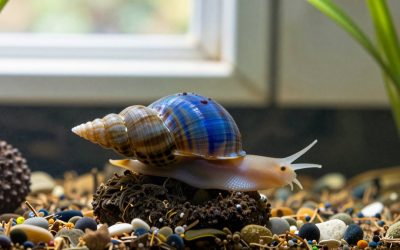
Nerite snails genuinely eat green spot and are the most effective grazer for it, which makes them worth having in a planted tank. What they will not do is clear an established covering, and they cannot reach the corners or the substrate line.
They also have requirements of their own. Nerites need adequate GH for shell maintenance, generally above about 6 dGH (107 ppm), and they lay hard white eggs on hardscape that persist for months in freshwater without hatching.
Copper is the other constraint to note early. Many medications and some plant fertilisers contain it, and it is lethal to snails and shrimp at very low concentrations, so any tank relying on grazers has to have every additive checked before it goes in.
Myth: Scrubbing Harder Will Solve It
Scraping is necessary and it is not a fix. The dots return on the same schedule while the imbalance persists, so weekly scraping without a dosing change is maintenance rather than green spot algae removal in any lasting sense.
Scraping also carries a real risk. A grain of sand caught under a magnetic cleaner scratches glass permanently, and blade scrapers ruin acrylic tanks. Check the tank material, and lift magnetic cleaners away from the substrate line rather than dragging them through it.
Clearing and Preventing It Long Term
Successful green spot algae removal is a dosing correction held for a month with weekly mechanical cleaning alongside it. Neither half works on its own, and the first fortnight rarely shows much.
What to Do on a Schedule
Scrape the glass at every weekly water change, before the change rather than after, so loosened material siphons out. Keep changes at 20-30% adjusted by measured nitrate, and dose fertiliser consistently rather than in response to what you see.
Trim badly affected anubias and java fern leaves rather than trying to clean them. Both regrow from the rhizome, and a clean new leaf appearing is the clearest evidence that the correction is working.
Test phosphate monthly once the tank is stable, and again after any change to dosing, stocking or plant mass. It is the parameter that actually drives this algae, and it is the one most keepers never test at all.
Gear That Degrades and How It Shows Up
LED fixtures lose PAR gradually while still looking bright, which shifts the light and nutrient balance without anyone noticing. A tank that ran clean for two years can start showing green spot as plants slow under weakening light.
Timers get reset by power interruptions and lights run long. Filter flow drops 30-50% as media loads and impellers wear, reducing nutrient delivery to plants in the outer areas of the tank.
Test reagents expire and read low with age, and phosphate kits are less commonly replaced than nitrate ones. Every powered device beside water belongs on a GFCI outlet with a drip loop and a UL or ETL mark.
Magnetic glass cleaners degrade in a way that matters here. The felt pad wears thin and the magnet grips harder against the glass, which increases the chance a trapped particle leaves a permanent scratch across the front pane.
The Twelve-Month Running Cost
Budget for phosphate and comprehensive fertiliser, test reagents including a phosphate kit, replacement mechanical media, dechlorinator and continuous power for light, filter and heater. Fertiliser is the item that matters most here and the one most often cut.
A decent blade scraper for glass tanks is a one-off purchase that lasts years, with replacement blades as a minor consumable. It is considerably cheaper than repeatedly buying products marketed at algae that do not address the underlying limitation.
Prices for all of it change constantly, so check at the time of purchase rather than working from a figure quoted anywhere. The useful comparison is not the sticker price but what the item costs to keep running across a full twelve months.
Frequently Asked Questions
These five come up most often once the dots are on the glass and weekly scraping alone has stopped keeping up with them.
How long does it take to clear?
Two to four weeks after the dosing correction, with weekly scraping throughout. Existing dots do not dissolve, so everything visible has to be removed mechanically while the correction stops new growth forming.
Is green spot algae harmful?
Not to fish or invertebrates. It blocks light on slow-growing leaves, which weakens anubias and java fern over months, so it is worth addressing even though the water chemistry behind it is otherwise healthy.
Should I dose phosphate if my nitrate is already high?
Possibly, since the two are separate nutrients and a tank can be high in one and short of the other. Test phosphate specifically rather than assuming, and if nitrate is above 40 ppm, address that with water changes at the same time.
Will a blackout work on green spot?
No. Blackouts work on suspended green water, and green spot is firmly attached to surfaces. Several days of darkness weakens the plants competing for nutrients without shifting the dots at all.
Why is it only on my anubias?
Because those leaves last for years while stem plants replace theirs continuously. Green spot algae removal on slow-growing plants usually means trimming the worst leaves and waiting for clean regrowth from the rhizome.
See More:
The Bottom Line on Green Spot Algae
Green spot algae removal runs against the usual instinct: dose phosphate toward 0.5-1.5 ppm rather than cutting nutrients, and check whether the whole fertiliser routine is too lean. Scrape glass weekly with a blade on glass tanks or a soft pad on acrylic, trim badly affected anubias and java fern leaves, and cut the photoperiod to six or eight hours on a timer if light is generous. Nerite snails help maintain a clean tank once corrected, and two to four weeks is the timeline to expect.

Cloudy Aquarium Water: Causes, Fixes & Prevention Guide 2026
Tetra Whisper vs Aqueon Quietflow Filters: Top Compared Pick