Last Updated: September 25, 2026
Dwarf aquarium lily care hinges on two decisions made in the first week: how deep the bulb sits, and whether you let it send pads to the surface. Get the bulb depth wrong and it rots; leave the pads alone and the submersed leaves below them stop growing. Both decisions are easy once you know the rule.
As an Amazon Associate we earn from qualifying purchases.
As an Amazon Associate we earn from qualifying purchases at no extra cost to you. Prices and availability are accurate as of the date shown and are subject to change.

Dwarf Water Lily Nymphaea Stellata Rubra Live Aquarium Plant B2G1
Selected for "Dwarf Aquarium Lily Care: Bulbs, Pads and Root Feeding Rules": this listing is aquarium equipment (Dwarf Water Lily Nymphaea Stellata Rubra Live Aquarium Plant B2G1), matching the equipment this article covers.
View on Amazon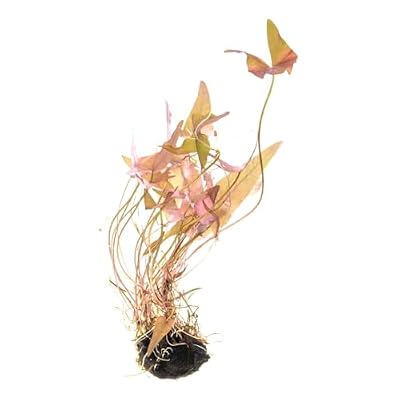
SubstrateSource Live Plant - Dwarf Water Lily (Nymphaea stellata) - Green to Reddish Lily for Background Aquascaping - Plant
Selected for "Dwarf Aquarium Lily Care: Bulbs, Pads and Root Feeding Rules": this listing is substrate and hardscape (SubstrateSource Live Plant - Dwarf Water Lily (Nymphaea stellata) - Gr), matching the equipment this article covers.
View on Amazon
Dwarf Lily Bulb (Nymphaea Stellata) Live Aquarium Plant
Selected for "Dwarf Aquarium Lily Care: Bulbs, Pads and Root Feeding Rules": this listing is aquarium equipment (Dwarf Lily Bulb (Nymphaea Stellata) Live Aquarium Plant), matching the equipment this article covers.
View on Amazon
Marcus Fish Tanks - Tiger Lotus Lily Nymphaea Lotus - Live Aquarium Plants - Freshwater Aquatic Plant Buy 2 Get 1
Selected for "Dwarf Aquarium Lily Care: Bulbs, Pads and Root Feeding Rules": this listing is tanks (Marcus Fish Tanks - Tiger Lotus Lily Nymphaea Lotus - Live Aquarium Pl), matching the equipment this article covers.
View on AmazonBy David Nguyen
From Bulb to Pad: What This Plant Is Doing
Sound dwarf aquarium lily care begins with recognising this as a bulb plant rather than a rooted stem. Nymphaea stores energy in the bulb, pushes leaves quickly using that store, then depends entirely on root nutrition once the reserve is spent, usually after the first six to eight weeks.
The Deciding Numbers: Bulb Depth, Light, Temperature and Size
The plant tolerates 72-82 F (22-28 C), pH 6.0-7.5 and GH 3-15 dGH (54-268 ppm), which suits most tap water without adjustment. It grows without CO2 injection at 20-50 micromoles of PAR, though colour in the red varieties deepens noticeably at the upper end of that range. Colour follows light, not fertiliser.
Bulb depth is the number that decides survival. Rest the bulb on the substrate with roughly the top third exposed, never buried completely, because a fully covered bulb rots within one to two weeks and takes the emerging leaves down with it as it goes. Bulb depth is the whole trick here.
Mature size depends on how you manage it. Submersed leaves reach 8-16 in (20-40 cm) tall with a spread near 8-12 in (20-30 cm), while unmanaged pads cover the surface above. A 10-gallon (38 L) tank is the practical floor, and 20 gallons (76 L) suits it far better. Buy by mature spread, not bulb size.
Pads Versus Submersed Leaves: The Choice You Make Weekly
Left alone, the lily sends long stalks to the surface and produces floating pads, because that is what the plant is built to do. Those pads shade the submersed leaves underneath, which then stop growing, and within two months you have a surface plant rather than a feature in the tank.
Cut each pad stalk at the base as it develops if you want the submersed form. Doing this every one to two weeks keeps the plant compact and bushy below the waterline, and it does no harm at all, though the plant will keep trying for as long as it lives. Treat pad removal as a weekly trim.
Normal Appearance Versus Action Thresholds
New bulbs behave unpredictably for their first month, which is why so many get discarded early. The table below separates normal establishment from genuine problems, pairing what you see with a reading so you can act on evidence rather than on how the plant happens to look. Most rows need no action at all.
| What you see | Reading alongside it | What it means | What to do |
|---|---|---|---|
| Nothing for two to three weeks | Temperature under 75 F (24 C) | Dormant bulb, normal at lower temperatures | Wait, raise temperature slightly |
| Bulb soft, brown, foul smelling | Parameters normal | Buried bulb rotting | Discard it, plant the next one shallower |
| Long stalks reaching the surface | Parameters normal | Normal pad formation | Cut stalks at the base if unwanted |
| Leaves pale green, red variety faded | Light under 20 micromoles | Insufficient light for colour | Raise light or move the plant forward |
| New leaves small after two months | Nitrate 10-25 ppm, inert substrate | Bulb reserve spent, no root nutrition | Push a root tab under the bulb |
| Older leaves yellowing at the edges | Nitrate under 5 ppm | Nitrogen shortage | Dose macros, retest in a week |
The Dwarf Lily in Real Tanks
The practical half of dwarf aquarium lily care is space, because a single plant occupies more of a small tank than the bulb suggests. It works as a centrepiece rather than as one plant among many, and the layout around it needs to allow for that from the start. Plan around one plant.
Tank Size, Placement and Fit
Give a mature plant a footprint of 8-12 in (20-30 cm) and place it in the mid-ground where its height reads as a feature. Set it away from the front glass, since leaves pressed against it look poor and collect algae in the brighter light near the front of the tank. Leave 3-4 in (8-10 cm) of clearance.
Substrate depth matters as much as footprint. The plant wants 2-3 in (5-7.6 cm) of bed so roots have somewhere to go and tabs can be buried properly. Measure the real numbers before you order: mature leaf height against tank height, and bed depth against root tab length. Both checks take a minute.
What Changes Between 10, 20 and 55 Gallon Tanks
In a 10-gallon (38 L) tank one dwarf lily is the whole layout, and weekly pad trimming becomes essential rather than optional. That works if you want a single striking plant, but it leaves little room for anything else once the leaves reach their full spread. Scale the layout to one plant.
In a 55-gallon (208 L) tank the same plant sits comfortably as one element among several, and you can allow a few pads to reach the surface for shade without darkening the whole tank. Two or three lilies spaced 12 in (30 cm) apart make a strong mid-ground group. Spacing keeps each plant lit.
Feeding Route, Tankmates and Bioload
This is a root feeder, so nutrients come from aquasoil or from a root tab pushed 2 in (5 cm) down and directly beneath the bulb every three to four months. Liquid dosing alone in inert gravel produces small pale leaves once the bulb’s own reserve has been used up. Feed the bed, not the water.
The leaves are soft enough that goldfish and larger cichlids will eat them, so this is a community tank plant rather than one for boisterous stock. In shrimp tanks it works well, with the usual caution about copper in fertilisers and treatments rather than anything about the plant.
Myths and Mistakes Worth Clearing Up
Three ideas cause most of the failures this dwarf aquarium lily care guide has to address. Two come from treating a bulb like a rooted plant, and the third from assuming that a plant which grows fast in month one will keep doing so indefinitely. Each one has a clear, measurable correction.
Myth: The Bulb Should Be Buried Like a Root
Burying the bulb completely is the single most common way to kill this plant, and it usually rots within one to two weeks. Rest it on the substrate with the top third clear, letting the roots find their own way down as they emerge from the base of the bulb. Exposure is the rule, not a preference.
If the bulb keeps rolling before roots grip, wedge it gently between two small stones rather than pushing it under. Within seven to ten days the roots anchor it well enough that normal water changes and gravel vacuuming will not shift it out of position again. Patience beats burying it.
Myth: Rapid First-Month Growth Means It Needs Nothing
Early vigour comes from the bulb’s stored energy, not from your tank. Once that reserve runs out at around six to eight weeks, growth slows sharply and new leaves come in smaller, which people read as a sudden problem rather than the predictable end of a starter supply. Plan for month two from day one.
Add a root tab under the bulb at the two-month mark in inert substrate, or rely on fresh aquasoil for the first 18-24 months. Either way the plant transitions from living on reserves to feeding through roots, and that handover is where most disappointment happens. Dwarf aquarium lily care is mostly timing.
Myth: Cutting Pads Damages the Plant
Removing pad stalks at the base costs the plant nothing meaningful and keeps the submersed leaves growing. The lily continues sending new stalks upward regardless, so this becomes a routine trim every one to two weeks rather than a one-off correction to make. The plant never stops trying.
What does harm the plant is cutting leaves partway up the stalk, which leaves stubs that rot back toward the crown. Cut cleanly at the base each time, and take no more than about a third of the total foliage in any single session, which keeps growth steady. Cut cleanly at the base.
Long-Term Care, Propagation and Twelve-Month Costs
Over a year, dwarf aquarium lily care settles into a rhythm of trimming pads and replacing tabs. The plant is not demanding once established, but it does produce daughter bulbs, and deciding whether to keep or remove them shapes how the layout looks a season later. Decide early what you want.
Propagation from Daughter Bulbs
Mature plants produce daughter bulbs and side shoots around the parent, which can be separated once they carry three or four leaves and roots of their own. Cut the connection cleanly rather than pulling, since tearing damages the parent bulb and invites rot at the wound. Clean cuts heal, torn ones rarely do.
Replant each daughter with its top third exposed, exactly as you did the original. Expect a slower start than the parent had, because a daughter bulb carries a smaller energy reserve and depends on root nutrition sooner, usually within the first month rather than after two. Tabs matter sooner for daughters.
What Degrades: Substrate, Light and Equipment
Aquasoil loses most of its useful nutrient loading around 18-24 months, and a lily planted at setup will be at its largest and hungriest at exactly that point. The symptom is smaller new leaves and faded colour despite unchanged lighting and dosing routines. Add root tabs at that point.
Equipment drifts alongside it. LED fixtures lose measurable output across several years, so a red variety that coloured well at setup may fade gradually, and ageing heaters commonly wander 2-4 F (1-2 C), which the plant tolerates but the fish sharing the tank may not. Check both once a year.
Twelve-Month Cost and Seasonal Demand
Costs are modest: root tabs three or four times a year per plant, plus a comprehensive liquid for the rest of the tank. Prices move constantly, so check them at the moment of purchase rather than relying on figures quoted in an article that may be a year old. This dwarf aquarium lily care guide avoids fixed prices.
Growth is seasonal in rooms without climate control. Longer daylight and warmer temperatures from March onward increase pad production noticeably, meaning more frequent trimming, while a cold winter room can push the plant toward partial dormancy for several weeks. Growth resumes as the room warms.
Frequently Asked Questions
These come up during the first two months, usually when a bulb has done nothing at all or when the plant has suddenly filled the surface with pads. Most dwarf aquarium lily care questions reduce to bulb depth, pad trimming and root nutrition. Almost all are settled by bulb depth and a pair of scissors.
How long before a dwarf lily bulb sprouts?
Usually one to three weeks at 76-80 F (24-27 C), and longer below 75 F (24 C). A bulb that has done nothing after a month but still feels firm is dormant rather than dead. Discard it only if it turns soft, brown and smells foul when handled. Firmness is the test that actually matters.
Should I let the lily pads reach the surface?
Only if you want surface shade. Pads shade the submersed leaves and eventually replace them, so trim the stalks at the base every one to two weeks to keep the bushy underwater form. Both options are valid, but you cannot have the two at once. Choose the form you actually want to look at.
Does the red variety need high light to stay red?
Colour deepens toward the upper end of 20-50 micromoles of PAR, and iron availability helps, so dose a comprehensive micro mix targeting 0.1-0.5 ppm. Under low light the leaves stay green and healthy, which is a colour trade rather than a health problem. Light comes before iron dosing.
Can I grow a dwarf lily in sand?
Yes, provided the bed is 2-3 in (5-7.6 cm) deep and you use root tabs, since sand carries no nutrients at all. Keep sand at 0.45-0.55 mm, rest the bulb on the surface rather than in it, and stir the bed gently during water changes. Push a root tab 2 in (5 cm) down beneath the bulb.
See More:
Conclusion
The whole of dwarf aquarium lily care comes down to four things: the bulb sits with its top third exposed, the tank runs 72-82 F (22-28 C) at 20-50 micromoles of PAR, root tabs arrive from month two onward, and pad stalks get cut at the base weekly. Those four points settle nearly everything.
Give it a footprint of 8-12 in (20-30 cm) and treat it as a centrepiece rather than one plant among many. Handled that way it produces one of the more striking submersed shapes available without CO2, and it propagates itself through daughter bulbs indefinitely. Few plants give more visual return for the money.

Betta Leaf Hammock Rest Pad
How to Lower Aquarium pH Safely: Methods That Actually Hold