Last Updated: October 9, 2026
- Top Pick: Marcus Fish Tanks – 3X Cryptocoryne Wendtii Green Pots Crypt Wendtii Easy Live Aquarium Plants for Aquatic Freshwater Fish Tank
- Best Value: Marcus Fish Tanks – Cryptocoryne Wendtii Green Crypt Wendtii Easy Live Aquarium Plants for Aquatic Freshwater Fish Tank B2 GET 1
- Premium Choice: Marcus Fish Tanks – Cryptocoryne Wendtii Bronze Pot Crypt Wendtii Easy Live Aquarium Plants for Aquatic Freshwater Fish Tank Buy 2 GET 1
Cryptocoryne Wendtii Care: Recover From Melt
A newly planted Cryptocoryne can look healthy on Monday and collapse into translucent ribbons by Friday. That event is commonly called “crypt melt,” but the name is a description, not a diagnosis. Many nursery plants were grown with leaves in humid air. Submersion changes gas exchange, light, and leaf structure, so older foliage may be discarded while the crown builds submerged leaves. Rot, physical damage, unstable conditions, and nutrient problems can look similar and require different responses.
Cryptocoryne wendtii is an accepted Sri Lankan species, but brown, green, tropica, and other shop labels represent cultivated variation rather than separate care guarantees. Confirm current taxonomy and native range through Kew Plants of the World Online. Wild occurrence helps explain an amphibious aroid’s biology; it does not prescribe one captive pH or temperature.
As an Amazon Associate we earn from qualifying purchases at no extra cost to you.


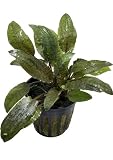


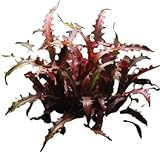


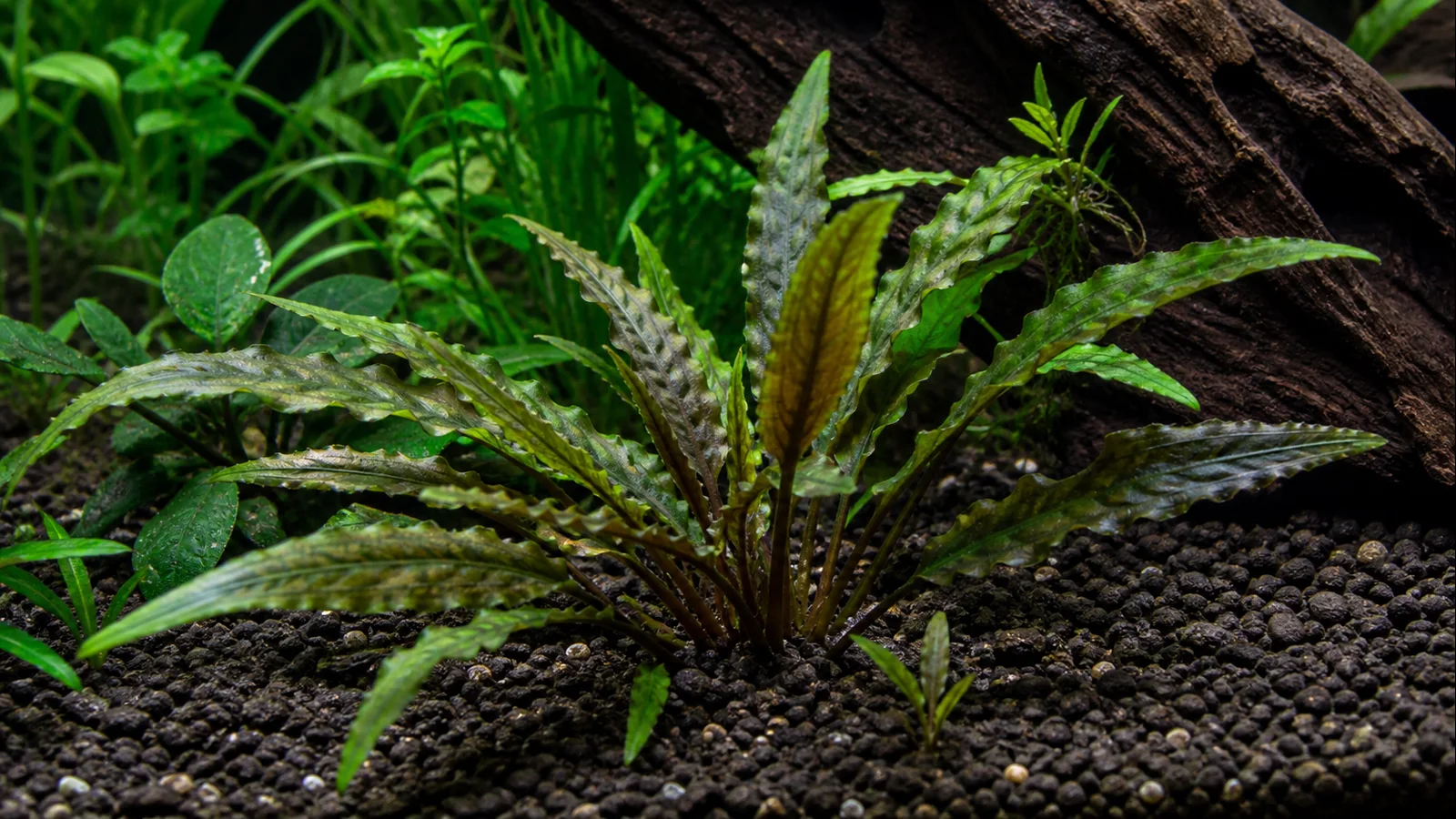
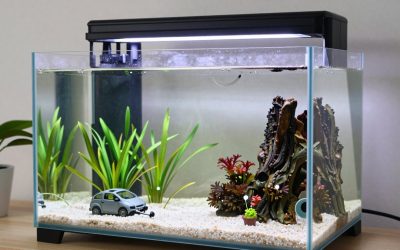
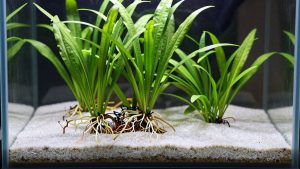
Editorial illustration; not evidence for species identification.
Plant the roots, not the crown
Choose a site before unpotting because repeated relocation is one of the easiest ways to prolong establishment. Remove rock wool carefully, tease roots apart, and trim only broken or clearly decayed ends. Make a hole deep enough for roots to point mostly downward. Cover them, then lift the plant slightly so the crown—the point where leaf stalks meet roots—sits at or just above the substrate surface.
Crowns buried under compacted gravel can rot. Roots left entirely exposed may dry during setup or fail to anchor. Space individual rosettes so light and circulation reach their centers; a tight nursery clump is usually better separated into viable crowns than planted as a single plug.
Cryptocoryne is a rooted rosette, so substrate choice matters more than it does for an epiphyte. Fine gravel, planted-tank soil, or sand can work if roots receive water and nutrients and the bed does not become a neglected debris trap. Do not cap a crown while “topping up” substrate months later.
Decide whether melt is transition or decay
Transition melt usually affects existing leaves after a major environmental change. Tissue turns glassy or weak, yet the crown and roots remain firm. Remove collapsing material with clean scissors so it does not foul the tank, leave the plant in place, and keep routine conditions steady. New leaves may differ in color, width, or texture from the nursery foliage.
Investigate more urgently when the crown itself is soft, smells foul, detaches from the roots, or deteriorates outward. Check planting depth, substrate compaction, temperature equipment, and water-quality records. Recently applied chemicals, a large chemistry swing, or damage during planting can also be relevant. “Melt” should never be used to dismiss livestock distress; test ammonia and nitrite and perform appropriate water changes if animals are affected.
There is no honest recovery deadline. Plant size, stored reserves, cultivar, root damage, and tank conditions all influence regrowth. A firm crown with an emerging leaf is stronger evidence than a calendar. Photograph the same crown weekly rather than uprooting it to check roots.
Give modest light consistently
Tropica’s commercial plant database treats commonly sold C. wendtii forms as relatively undemanding, often tolerant of lower light. That classification is a practical starting point, not proof that every cultivar behaves identically. Begin with a regular, moderate photoperiod and avoid abruptly doubling intensity to force recovery.
Leaf color alone is unreliable as a light meter. Brown forms may stay brownish under moderate illumination; green forms do not need to turn red to be healthy. Long petioles can reflect shading or normal form, while low, compact growth can reflect stronger light and open space. Evaluate new leaf integrity and steady production alongside color.
If algae colonizes older leaves, shorten excessive lighting, remove accumulated debris, and examine overall nutrient balance before shading the entire tank. The site’s low-light plant overview helps compare companions that will not tower over a recovering rosette.
Feed the root zone conservatively
Cryptocoryne develops an extensive root system and can benefit from nutrients in the substrate. Fresh active soil may already contain substantial nutrition. In inert gravel or an older depleted bed, a labeled aquarium root tab placed near—but not against—the root crown can be appropriate. Follow the product interval and aquarium-volume instructions; more tabs do not create proportionally faster growth and can release nutrients into the water when disturbed.
The root-tab guide explains placement and substrate differences. Water-column fertilizer may still support leaves and other plants, particularly when the substrate is inert. Dose only a product intended for aquariums, account for what is already supplied, and change one input at a time.
Do not assign every hole or yellow leaf to potassium, iron, or nitrogen based on one photo. Old leaves naturally decline, snails graze damaged tissue, and transport injuries open later. Compare whether symptoms occur on new or old growth and across species. Use the visual nutrient deficiency guide as a hypothesis tool, then verify maintenance, lighting, and test data.
Injected carbon dioxide is optional. It can improve growth in a managed planted tank but adds livestock risk if delivery is unstable or gas exchange is inadequate. Fish gasping, loss of balance, or rapid breathing requires immediate attention to aeration and water quality, followed by an aquatic professional or qualified aquatic veterinarian when signs persist.
Stability is a care technique
Routine care should be deliberately boring: dechlorinated replacement water, similar temperature, regular filter maintenance, and no sudden, large rearrangements around the roots. This does not mean avoiding necessary water changes. It means avoiding preventable swings and separating interventions so their effect can be observed.
Typical tropical-community conditions can support many cultivated forms, but a copied parameter range cannot override animal needs. Check the supplier’s actual cultivar information and keep the aquarium stable within the compatible range for all inhabitants. Native Sri Lankan habitat descriptions include seasonal and local variation and should not be converted into a single mandatory captive number.
Gentle circulation should move water through the planting area without folding leaves continuously. Siphon detritus from the surface without driving the vacuum into the root mass. When algae or debris gathers inside a dense rosette, use a small baster to lift it before siphoning.
Propagate by natural offsets
An established plant sends runners through the substrate and produces daughter rosettes. Leave daughters attached until each has multiple leaves and a useful root system. Cut the connecting runner with clean scissors, then lift and replant the daughter without tearing neighboring crowns. Waiting produces a stronger transplant than constantly separating tiny shoots.
Prune individual leaves at the base. Do not cut a leaf halfway and expect the remaining blade to repair itself. Remove soft transition leaves promptly, but retain firm green tissue because it supports recovery. Sterilize tools between aquariums to reduce transfer of algae, snails, and pathogens.
New plants deserve inspection or quarantine. Nursery pots can hide snails, eggs, fertilizers, and decaying roots. Avoid homemade chemical dips unless a trustworthy source confirms the concentration for this species and the entire disposal process; observation in a separate container is safer than guessing.
Prevent release beyond the aquarium
No unwanted Cryptocoryne, runner, substrate, or aquarium water should enter drains, ponds, streams, or stormwater. The U.S. Fish and Wildlife Service describes the ecological risk of released aquatic organisms. UF/IFAS maintains aquatic plant resources that illustrate why identification and regional regulation matter even when a particular species is not listed everywhere.
Check laws for your jurisdiction before trading, shipping, or composting aquatic plants. Where household disposal is permitted, seal plant matter so fragments cannot wash into waterways; follow local agency directions if drying or freezing is requested. Never assume “tropical” means unable to establish outdoors.
What successful establishment looks like
Success is not preserving every nursery leaf. It is a firm crown producing leaves suited to the aquarium, anchored roots, and gradual offset formation without recurring collapse. Record the date of planting, major water changes, fertilizer additions, and lighting adjustments. If several species deteriorate together, or water tests and equipment do not explain the problem, consult an experienced planted-aquarium professional rather than stacking treatments. With C. wendtii, patience is productive only when the crown, water, and livestock remain healthy.
Sources
- Kew Plants of the World Online: Cryptocoryne wendtii search
- Tropica aquarium plant database
- UF/IFAS Center for Aquatic and Invasive Plants
- U.S. Fish and Wildlife Service: Aquatic Invasive Species
Related Reviews & Guides

Best Aquarium Substrate for Rooted Plants Low Tech in 2026: Compared and Ranked
Black Neon Tetra Care: A Hardy Community Setup