Last Updated: October 4, 2026
Gravel is the forgiving starting substrate, but grain size and chemistry still decide how easy your first tank is to keep. The best gravel substrate for beginner tank builds is a grain you can rinse and vacuum without a fight, in a product that keeps water chemistry predictable while you learn.
As an Amazon Associate we earn from qualifying purchases.
By David Nguyen
How to Choose Beginner Aquarium Gravel
Beginner gravel should be easy to manage and predictable, not a source of surprises. Grain size you can clean, stable chemistry, whether you plan on plants, and a proper rinse-and-fill routine are the four things that keep a first substrate trouble-free.
Manageable Grain Size
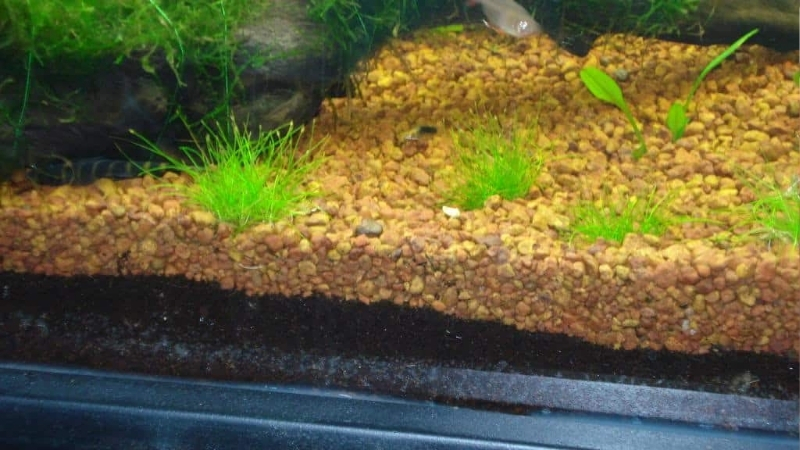
Grain size sets how easily you vacuum and how well the bed stays put. A medium gravel like CaribSea Gemstone Creek at 3.0-5.0 mm lets a siphon lift debris easily, while finer grades such as Peace River at 1.0-2.0 mm and Carolina Creek at 1.0-2.5 mm hold plants better but trap more fine detritus.
Very fine grain compacts and needs gentle vacuuming; very coarse grain lets food fall deep where it rots. For a first tank a 1-2.5 mm range is a practical middle ground that cleans easily and still anchors most plants and decor.
Chemistry Stability
A beginner benefits from gravel that does not move water chemistry unexpectedly. CaribSea Peace River and Carolina Creek are described as pH neutral with no hardness increase, which keeps parameters where your dechlorinated tap sets them rather than drifting.
Do not assume all natural gravel is automatically inert, because some substrates buffer, so check the specific product. Stable chemistry means fewer variables while you learn to test and do water changes, which is exactly what a first tank needs.
Plants in Gravel
Plain gravel anchors plants but does not, by itself, contain enough nutrients to feed heavy root-feeders. Peace River and similar natural gravels hold roots well, yet a swords-and-crypts tank still wants root tabs pushed into the bed near the hungry plants.
If plants are a priority, a planted clay gravel like Seachem Flourite feeds through the substrate and states it will not alter pH. Decide your plant plan first, since it determines whether cheap natural gravel plus tabs or a planted gravel is the better spend.
Rinse and Fill Technique
Technique matters as much as the product for a clean start. Rinse gravel in batches until the water runs clear, then fill by pouring onto a plate or bag to avoid cratering the bed, which prevents the cloudy first week beginners often blame on the gravel.
Aim for a workable depth, roughly 1-2 inches for a low-plant community tank and a bit more where you want rooted plants. Deeper beds in fine gravel need occasional stirring to avoid stagnant pockets, while medium gravel drains and cleans more forgivingly.
Top Picks
Four gravels cover a first tank, from an easy natural pick to a budget medium grade and a planted clay for growers. Prices are relative and current as of 09/2026, and because bag masses differ across products, compare by the coverage you actually need rather than by sticker price.
| Product | Best For | Key Spec | Watch Out For |
|---|---|---|---|
| CaribSea Peace River | Best overall beginner gravel | 1.0-2.0 mm; pH neutral, no hardness rise | Fine grain traps detritus; vacuum gently |
| CaribSea Gemstone Creek | Best budget traditional gravel | 3.0-5.0 mm; ~under $20 / 20 lb | Food falls deep; coarse for tiny plants |
| CaribSea Carolina Creek | Best sand-to-gravel transition | 1.0-2.5 mm; pH neutral | Mid grain still needs regular vacuuming |
| Seachem Flourite | Best for beginners who want plants | Porous clay gravel; stated not to alter pH | Rinse well; dust clouds the first fill |
CaribSea Peace River – Best Overall
Peace River is the best all-round beginner gravel because it pairs an easy 1.0-2.0 mm grain with pH-neutral, no-hardness-increase chemistry and turns up in starter kits. It sells as a 20 lb bag around $20 as of 09/2026, giving a stable, plant-friendly bed without special handling.
Its finer grain does trap more detritus than a coarse gravel, so vacuum gently and regularly. It anchors plants well but does not feed them alone, so add root tabs for heavy root-feeders rather than expecting the gravel to supply nutrients.
CaribSea Gemstone Creek – Best Budget Traditional Gravel
Gemstone Creek is the budget pick, a medium 3.0-5.0 mm gravel around $15 per 20 lb bag as of 09/2026, which is roughly 32.9% cheaper than Peace River, a difference of about $5 at those snapshots. Its larger grain vacuums very easily, which many beginners appreciate.
The catch is that coarse grain lets uneaten food and waste fall deep where it breaks down, so feed conservatively and stir occasionally. It is also too coarse for the finest carpet plants, favoring larger rooted plants and decor instead.
CaribSea Carolina Creek – Best Sand-to-Gravel Transition
Carolina Creek sits between sand and gravel at 1.0-2.5 mm with the same pH-neutral, no-hardness-increase behavior, sold as a 20 lb bag around $20 as of 09/2026. That range is a natural-looking middle ground that cleans reasonably and anchors plants and decor well.
Being a mixed grain, it still collects fine debris and needs routine vacuuming, so it is not a maintenance-free option. It is a strong choice when you want a softer, more natural look than uniform gravel without dropping all the way to fine sand.
Seachem Flourite – Best for Beginners Who Want Plants
Flourite is the pick for a beginner who wants real plant growth, a stable porous clay gravel that Seachem states will not alter pH and describes as permanent, sold near under $40 as of 09/2026. It feeds through the substrate, so it suits a planted first tank better than plain gravel.
Expect dust on setup, since clay gravels need a thorough rinse and cloud briefly on the first fill. It ships as a 15.4 lb (7 kg) bag, which is not directly comparable by sticker to a 20 lb natural gravel, so compare by the coverage you need.
Frequently Asked Questions
Beginner gravel questions focus on the easiest grain size, whether plants grow in plain gravel, gravel versus aquasoil, and how deep the bed should be. Each answer starts with the direct call, then adds the practical exception that changes it for your tank and stocking.
What Gravel Size Is Easiest for Beginners?
A 1-2.5 mm range like Peace River or Carolina Creek is the easiest all-round choice, since it cleans reasonably while still anchoring plants and decor. A coarser 3-5 mm gravel such as Gemstone Creek vacuums even more easily, but it lets uneaten food fall deep where it breaks down out of reach.
If you feed heavily or keep messy fish, lean coarser and stir the bed occasionally; if you want plants, lean toward the finer end of that range. Avoid extremes, since very fine grain compacts into dead zones and very coarse grain hides waste that quietly fuels algae and nitrate between water changes, which is exactly the kind of hidden problem a first tank does not need.
Can I Grow Plants in Normal Gravel?
Yes, but plain gravel anchors plants without feeding them, so heavy root-feeders need root tabs pushed into the bed near their roots. Natural gravels like Peace River hold roots well; they simply do not contain enough nutrients on their own for demanding stem and rosette species over time.
For an easy planted start, either add tabs to natural gravel or use a planted clay gravel like Flourite that feeds through the substrate itself. Match the approach to your plant list rather than expecting cheap gravel to grow a heavily planted tank without any supplementation, since the gravel supplies structure and anchoring while the tabs or clay substrate supply the actual nutrients.
Gravel or Aquasoil for a First Tank?
For most beginners, natural gravel is the simpler start because it is inert, stable, and easy to vacuum, while aquasoil is an active substrate that swings pH early and depletes over one to two years. Gravel keeps fewer variables in play while you learn to test water and do changes.
Choose aquasoil only if you are committed to a planted, often CO2-driven tank from day one and want strong root feeding from the substrate. Otherwise, gravel plus root tabs grows most beginner plants with far less fuss, a longer lifespan, and no early chemistry swing to monitor and manage while you are still learning.
How Deep Should Beginner Gravel Be?
About 1-2 inches suits a low-plant community tank, and a bit more, toward 2-3 inches, where you want rooted plants to spread and fill in. Enough depth anchors decor and plant roots without creating large stagnant zones that can go anaerobic in still corners of the tank.
In fine gravel, deeper beds need occasional stirring to avoid stagnant pockets, while medium gravel drains and cleans more forgivingly. Slope it slightly higher at the back, toward the deeper end, if you want a stronger sense of depth in the overall layout, and remember that rock and decor also displace substrate, so buy a little extra to keep the depth you planned.
Final Thoughts
The best gravel substrate for beginner tank builds is the grain you can clean without a fight in a product whose chemistry stays put, which is why Peace River leads for all-round ease while Gemstone Creek wins on budget and Flourite suits a planted start. Decide your stocking and plant plan first, add root tabs where natural gravel needs feeding, and pick grain size for maintenance rather than looks alone.
As an Amazon Associate we earn from qualifying purchases at no extra cost to you. Prices and availability are accurate as of the date shown and are subject to change.
Related Reviews & Guides

Best Aquarium Controller With Phone Alerts: Top Smart Picks
Best Aquarium Heater Guard to Protect Fish: Safer Choices