Last Updated: October 4, 2026
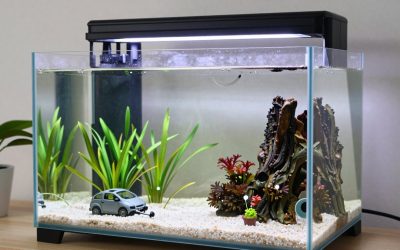
Choosing between active substrate and inert aquarium substrate is less about picking the “best” material and more about deciding how much control, maintenance, and long-term change you want in your setup. A planted freshwater aquarium, shrimp tank, terrarium-style display, and simple community aquarium can all look beautiful, but they do not place the same demands on the bottom layer.
Active substrates are manufactured to influence water chemistry and support rooted plants. Inert substrates are primarily decorative and structural: they provide a surface for plants, fish, and beneficial bacteria without intentionally changing the water. That difference affects setup, equipment, cleaning, replacement, and five-year ownership cost.
As an Amazon Associate we earn from qualifying purchases at no extra cost to you.


For a typical 20-gallon planted aquarium, expect to use roughly 20 to 30 pounds of substrate for a 2- to 3-inch layer, depending on the tank’s footprint and whether you build a slope. The right choice for your home in 2026 depends on the occupants, the available space, and whether you want a low-maintenance display or an actively managed aquascape.
Quick Verdict
Choose active substrate if you are keeping live aquatic plants, freshwater shrimp, or species that benefit from mildly acidic, softer water. It can make plant growth and water management easier, but it may lower pH and carbonate hardness, requires monitoring, and can break down over time.
Choose inert aquarium substrate if you want predictable water chemistry, straightforward cleaning, and a durable surface for fish-only tanks, beginner aquariums, or plants that can grow in gravel and sand. It generally costs less over time and is easier to reuse.
Neither category is universally safer or more attractive. The key question is whether you want the substrate to participate in the aquarium’s chemistry or simply sit in the tank as a stable foundation.
Side by Side
| Factor | Active substrate | Inert aquarium substrate |
|---|---|---|
| Primary function | Supports plants and can alter pH or water hardness | Provides a stable, mostly neutral base |
| Comfort | Usually rounded granules; comfortable for roots and many bottom dwellers | Available in smooth sand, fine gravel, or larger gravel; choose based on fish |
| Durability | Often lasts about 2–5 years, depending on handling and water conditions | Can last 5–10 years or longer when cleaned without crushing it |
| Price range | About $25–$45 for 8–10 pounds | About $10–$25 for 10–20 pounds |
| Maintenance | Needs water testing and gentle vacuuming | Usually simple siphoning and routine water changes |
| Space needed | Typically 2–3 inches; deeper planted layouts may use 3–4 inches | Typically 1.5–3 inches, depending on plants and fish |
| Look | Natural soil-like colors and rounded, planted-tank texture | Broadest choice of colors, grain sizes, sand, and gravel |
| Resale or reuse | More limited because its chemistry changes with age and storage | Easy to rinse, store, and use in another compatible aquarium |
| Best for | Planted tanks, shrimp tanks, and aquascapes | Fish-only tanks, beginner setups, rentals, and low-maintenance homes |
Where Active Substrate Wins
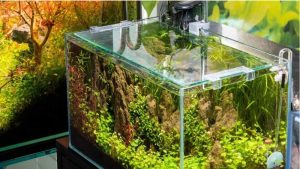
Active substrate is the strongest choice when the aquarium itself is part of the home’s living decor and you want plants to be a central feature. Most products are made from processed volcanic or clay-based materials that have a porous structure. That texture gives roots a place to anchor and creates additional surface area for beneficial microorganisms.
Many active substrates also reduce pH and carbonate hardness to some degree. This can be useful for freshwater shrimp and plants that prefer softer, slightly acidic conditions. It may also reduce the need to mix specialized water, although you should still test the aquarium rather than assume a particular result. Tap water, water changes, substrate age, and tank stocking all affect the final chemistry.
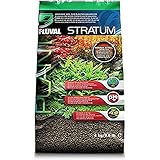
A planted-tank product such as Fluval Plant and Shrimp Stratum is commonly sold in an 8.8-pound package at around $30. A 10-gallon aquarium may need one bag for a modest layer, while a 20-gallon tank with a sloped aquascape may need two or more. That makes the initial cost higher than many basic gravel options, but the substrate can help simplify planting and create a finished look without a separate nutrient layer.
Active substrate is also visually forgiving. Dark brown or charcoal granules make green plants stand out and can give a small aquarium a more intentional, furniture-like appearance. Fine, rounded granules are generally more suitable than sharp gravel for bottom-dwelling fish and shrimp, though livestock compatibility should always be checked separately.
The tradeoff is that active substrate is not permanent in the same way as stone or glass. Its buffering ability gradually weakens, and rough cleaning can crush the granules. New active substrate may also cause an initial shift in pH or cloudiness, so cycling and testing are especially important before adding animals.
Where Inert Aquarium Substrate Wins
Inert substrate is the practical choice when predictable water chemistry matters more than root nutrition. It does not intentionally buffer the aquarium, so your water parameters are primarily shaped by tap water, filtration, decorations, livestock, and water changes. That makes it easier to maintain a stable routine across different tanks.
Inert sand and gravel are also more flexible. Aqua Natural Aquarium Substrate Diamond Black Fine Gravel, a 10-pound product priced around $15, illustrates the typical budget-friendly format. Aqua Natural Bio-Substrate Galaxy Sand is available in a 5-pound package for about $15. Depending on the tank size, you may need multiple bags to reach a 2-inch depth.
Fine sand can create a clean, minimalist appearance that suits modern rooms, while black gravel hides some debris and frames colorful fish. Larger gravel allows water to move between pieces but can trap food and waste if the gaps are wide. Very fine sand can compact if it is placed too deeply, so occasional surface stirring or careful siphoning may be useful.
Inert material is especially helpful for aquariums with fish that prefer neutral or harder water, or for homes where several people may handle maintenance. If a child accidentally moves a decoration, or a pet bumps the stand, the substrate is less likely to suffer a meaningful change in performance. Most inert gravel can also be rinsed and reused during a move.
Do not confuse every “substrate” product with aquarium substrate. Zilla Jungle Mix Terrarium Substrate Bedding, for example, is an 8-quart product priced around $10 and intended for terrarium use. A terrarium bedding product should not be substituted for aquarium gravel or aquatic planting media unless the manufacturer specifically states that it is safe and appropriate for submerged use.
Cost Over 5 Years
For a 20-gallon aquarium, the substrate itself is usually a modest part of the total ownership budget, but the difference becomes noticeable when replacement is needed. A 2- to 3-inch layer commonly requires 20 to 30 pounds. Inert substrate may cost about $20–$60 initially, depending on whether you choose budget gravel, specialty sand, or a decorative blend. If it remains attractive and functional, you may spend little or nothing on replacement during five years.
Active substrate may cost about $60–$135 initially for two or three 8- to 10-pound bags. A five-year budget could reach approximately $120–$270 if the substrate is replaced once as its buffering capacity declines or the granules become too soft for your maintenance routine. Those are planning ranges, not guarantees; heavily planted tanks, frequent rescapes, and careful handling can change the timeline.
Also budget for a gravel vacuum, water test kits, and replacement water-treatment supplies. Active substrate may save money on separate plant-root additives in some setups, while inert substrate may require root tabs or a nutrient layer for demanding plants. Compare the complete system rather than the bag price alone.
Which One for Your Home
Small apartment
In a small apartment, choose inert substrate for a simple 5- to 20-gallon aquarium that needs predictable maintenance and a tidy appearance. A 1.5- to 2-inch layer leaves more water volume and keeps the tank visually open. Choose active substrate if the aquarium is a compact planted focal point and you are comfortable testing pH and hardness.
Family with kids or pets
Inert gravel is usually the easier family choice because it tolerates routine cleaning, decoration changes, and occasional imperfect maintenance. Select smooth grains and avoid sharp pieces. A secure stand and covered aquarium matter more for safety than the substrate type. Active substrate can work well, but it is better suited to an adult-managed planted tank.
Rental home
For a rental, prioritize portability and low replacement cost. Inert substrate is easier to rinse, store, and reinstall if you move. Use a thin-to-moderate layer that does not make the aquarium unnecessarily heavy; substrate alone can add 20 to 30 pounds to a 20-gallon setup. Active substrate is worthwhile only if the planted display is a long-term hobby rather than a temporary arrangement.
Long-term home
If you expect to keep the same aquarium for years, active substrate is a good investment for a dedicated planted or shrimp display. Build the layout around easy access for siphoning and leave room for plant growth. For a fish-only tank or a rotating series of livestock, inert substrate offers more flexibility and fewer chemistry-related decisions.
FAQ
Can active substrate be used with any freshwater fish?
Not automatically. Active substrate can lower pH or hardness, which may suit some species but conflict with others. Test the water before adding fish and confirm the preferred range for the specific species.
Is inert substrate bad for aquarium plants?
No. Many plants grow successfully in inert gravel or sand. Root-feeding plants may benefit from root tabs, while plants that feed from the water column can grow without nutrient-rich substrate.
How deep should aquarium substrate be?
A general range is 1.5 to 3 inches. Use about 2 inches for a simple layout and 3 inches or more when you need to anchor rooted plants or create a slope. Avoid very deep layers unless you understand how to maintain them.
Can active and inert substrates be mixed?
Yes, but mixing can make future replacement more difficult and may reduce the visual effect of a planted layout. A common approach is active substrate in planted zones with inert sand or gravel in open foreground areas. Keep the materials separated with hardscape or planting boundaries when possible.
Ready to decide? Our #1 pick for 2026 is the Primary function.
Live price & availability on Amazon.
Related Reviews & Guides
6 Best Aquarium Water Chillers 2026
6 Best Marine Aquarium Chillers 2026