Last Updated: October 21, 2026
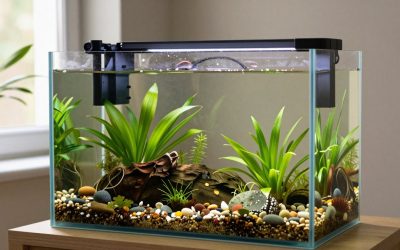
The difference between a fish tank and an aquascape is composition. Driftwood and rocks, the hardscape, form the bones of any beautiful planted tank, creating the depth, flow, and focal points that make people stop and stare. Learn a few design principles and you can turn a bag of stone and a piece of wood into an underwater landscape that looks like a slice of a wild river.
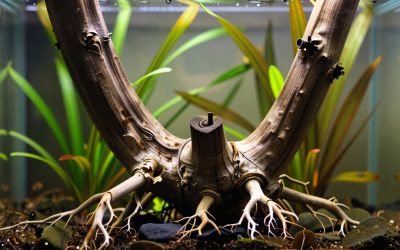
This guide teaches you how to build a stunning aquascape with driftwood and rocks in 2026, from choosing materials to arranging them with intention. Whether you use natural pieces like the emours horizontal-root driftwood or sculptural options like the AWXZOM driftwood centerpiece, the same rules of composition apply.

Aquascape Faux Driftwood Decorative Accent for Pond, Landscape, and Garden, 35 inch | 78277
Included for 'How to Create a Stunning Aquascape with Driftwood and Rocks' as a representative aquarium product in this roundup; selection reflects the product set returned for this topic.
View on Amazon
Aquascape Faux Driftwood Decorative Accent for Pond, Landscape, and Garden, 30 inch | 78276
Included for 'How to Create a Stunning Aquascape with Driftwood and Rocks' as a representative aquarium product in this roundup; selection reflects the product set returned for this topic.
View on Amazon
AWXZOM Aquarium Driftwood Centerpiece Aquarium Landscape, Handcrafted Fish Tank hardscape Landscape
Included for 'How to Create a Stunning Aquascape with Driftwood and Rocks' as a representative aquarium product in this roundup; selection reflects the product set returned for this topic.
View on Amazon
emours Natural Aquarium Driftwood, Horizontal Root Style Wood for Fish Tank Decor, Unique Driftwood for Aquascape, Terrarium and Reptile Display (12-16" (30-40 cm))
Included for 'How to Create a Stunning Aquascape with Driftwood and Rocks' as a representative aquarium product in this roundup; selection reflects the product set returned for this topic.
View on Amazon
Aquascape Stacked Slate Sphere Water Fountain and Installation Kit for Yard, Landscape, and Garden, Medium, 78290
Included for 'How to Create a Stunning Aquascape with Driftwood and Rocks' as a representative aquarium product in this roundup; selection reflects the product set returned for this topic.
View on AmazonAquascape Stacked Slate Sphere Fountain, 32 Inch Diameter (81 cm), Lightweight Fiber-Resin Composite Decorative Water Feature, Includes Tubing for Easy Setup, 78288
Included for 'How to Create a Stunning Aquascape with Driftwood and Rocks' as a representative aquarium product in this roundup; selection reflects the product set returned for this topic.
View on Amazon
Assorted Anubias Aquarium Plants Bundle – Low Maintenance, Adorable Fish Tank Decor, Easy Care Live Aquatic Plants for Stunning Aquascapes - Perfect Fish Lover Gift! (1 Random Loose Plant)
Included for 'How to Create a Stunning Aquascape with Driftwood and Rocks' as a representative aquarium product in this roundup; selection reflects the product set returned for this topic.
View on Amazon
Assorted Anubias Aquarium Plants Bundle – Low Maintenance, Adorable Fish Tank Decor, Easy Care for Stunning Aquascapes - Perfect Fish Lover Gift! (3 Random Loose Plants)
Included for 'How to Create a Stunning Aquascape with Driftwood and Rocks' as a representative aquarium product in this roundup; selection reflects the product set returned for this topic.
View on AmazonWatch: How to Create a Stunning Aquascape with Driftwood and Rocks — Video Review
Choosing Your Hardscape Materials
Start by picking wood and stone that share a visual story. Driftwood such as the emours natural root-style wood brings organic, branching lines, while rocks provide mass and structure. Rinse and, if needed, soak new driftwood for a week or two so it sinks and releases some of its tannins; a striking centerpiece like the AWXZOM handcrafted piece can anchor an entire layout on its own. Choose one dominant material and let the other support it rather than competing.
Apply the Rule of Thirds
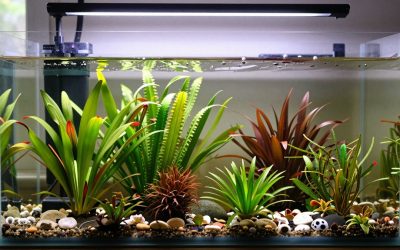
- Off-center focal point: Place your main piece of driftwood about one-third from a side, never dead center, to create natural tension.
- Vary the heights: Combine tall and short elements so the eye travels across the scene instead of scanning a flat line.
- Create depth: Put larger rocks in front and smaller ones behind to trick the eye into seeing distance.
- Leave open space: Negative space, an open sand foreground, makes the hardscape breathe and feel intentional.
Arranging Rocks and Wood Together
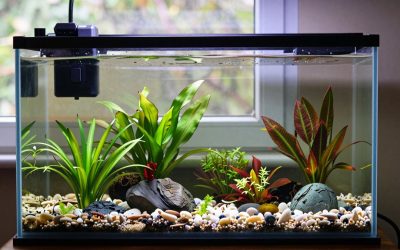
The most convincing scapes look like nature, not a display shelf. Nestle rocks against the base of driftwood so the two read as a single formation shaped by a river over time. Angle wood branches in a consistent direction to imply water flow. Group rocks in odd numbers, and bury their bases slightly in substrate so they look rooted rather than dropped in. Step back frequently and view the tank from the front glass, since that is the only angle most people will ever see.
Planting Around the Hardscape
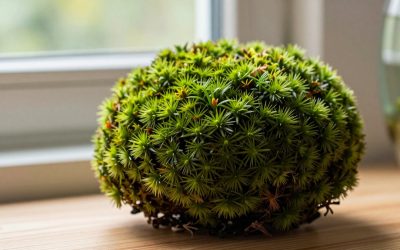
Plants soften and complete the scape. Attach low-maintenance species like Anubias to the driftwood, using a bundle such as the assorted Anubias aquarium plants, and let moss creep over rock joints to age the layout. Keep carpeting plants in the open foreground and taller stems toward the back to preserve the depth your hardscape created. Give plants a few weeks to grow in before judging the final look.
Tips
- Soak new driftwood until it sinks on its own rather than weighing it down permanently.
- Photograph your dry hardscape layout before adding water so you can tweak it easily.
- Use aquascaping-safe, inert rocks unless you specifically want to raise water hardness.
- Less is more; resist cramming the tank and let a few strong pieces carry the design.
Frequently Asked Questions
How do I stop driftwood from floating?
Soak it for one to two weeks until it becomes waterlogged, or temporarily anchor it to a rock or the tank base until it sinks on its own. Dense hardwoods sink fastest.
Will driftwood turn my water brown?
New driftwood releases tannins that tint water like weak tea. It is harmless and many keepers like the natural look, but pre-soaking and activated carbon reduce it if you prefer clear water.
What rocks are safe for aquascaping?
Inert stones like seiryu-style rock, dragon stone, and lava rock are popular. Avoid rocks that fizz in vinegar unless you want raised hardness, since those dissolve and shift water chemistry.
How many focal points should an aquascape have?
Usually one strong focal point, placed off-center using the rule of thirds. A single clear focus reads as more intentional and striking than several competing ones.
Conclusion
A stunning aquascape comes down to intentional composition: choose complementary wood and stone, place your focal point off-center, build depth with varied heights, and leave open space to breathe. Anchor it with a piece you love, soften it with hardy plants like Anubias and moss, and give it time to mature. Master these fundamentals and every tank you build will look like a living landscape.
Best Substrate for Shrimp Breeding Tank: Careful Buyer Guide

Best Dosing Pump for a Planted Tank: Smart Buying Guide