Last Updated: October 4, 2026
- Decide These 3 Things First
- 1. Grain Size: Match the Bed to the Fish and Plants
- 2. Material: Inert, Mineral-Based, or Active Soil?
- 3. Construction: Look at Shape, Consistency, and Coating
- 4. Comfort and Performance: Think About Fish, Plants, and Filtration
- 5. Price Tiers: Compare Cost per Usable Pound
- 6. Warranty and Product Support
- 7. Delivery and Setup: Plan for Dust, Weight, and Installation
- Spec Checklist
- Red Flags
- FAQ
- Top Pick: Aqua Natural Substrate, Sugar White Sand, 10lb
- Best Value: Aqua Natural Aquarium Substrate, Diamond Black Fine Gravel, 10lb
- Premium Choice: Aqua Natural Substrate, Galaxy Sand, 10lb
Choosing aquarium substrate grain size sounds simple until you are standing in front of several bags labeled sand, fine gravel, planted-tank soil, or “natural” substrate. A grain that looks attractive in the package may compact in a deep bed, trap debris, damage a bottom-dwelling fish’s barbels, or make planting difficult. The wrong substrate can also cloud the water, shift under decorations, or change water chemistry in ways you did not expect.
The most common mistake is choosing by color first. Appearance matters, but grain size should match the animals, plants, filter, and maintenance routine in the aquarium. A 10-gallon shrimp tank has different needs from a 75-gallon community aquarium, even if both use freshwater. This guide explains how to choose aquarium substrate grain size in 2026, with practical measurements, weight estimates, and price ranges to help you buy with fewer surprises.
As an Amazon Associate we earn from qualifying purchases at no extra cost to you.


Decide These 3 Things First
- What will live in the tank? Corydoras, loaches, juvenile fish, shrimp, and burrowing snails generally benefit from smooth substrate without sharp edges. African cichlids, goldfish, and other fish that sift or mouth substrate need especially careful material and shape selection.
- Will you grow rooted plants? A planted aquarium may need a nutrient-rich planted substrate, a cap over soil, or a fine-to-medium inert substrate paired with root tabs. Epiphytes such as anubias and Java fern do not require a deep planted bed.
- How will you clean it? Fine sand can be vacuumed with a gentle hover technique, while larger gravel allows a gravel vacuum to penetrate more deeply. If you dislike frequent maintenance, avoid an excessively deep bed and choose a grain that does not easily compact.
1. Grain Size: Match the Bed to the Fish and Plants
For most freshwater community aquariums, a grain size of approximately 1 to 3 millimeters is the most versatile range. It is large enough to resist severe compaction but small enough to look natural and support many plants. Fine sand is typically below 1 millimeter, while coarse gravel often measures 4 to 8 millimeters or more.
- Very fine sand, about 0.1 to 0.5 mm: Best for a natural streambed appearance and fish that sift or rest on the bottom. It can compact when installed in a deep layer, so keep most decorative sand beds around 1 to 2 inches unless you understand how to manage deeper zones.
- Fine sand, about 0.5 to 1 mm: A good choice for many shrimp tanks, small schooling fish, and planted nano aquariums. It is easier to disturb during planting and can move toward the front of the tank during cleaning.
- Fine gravel, about 1 to 3 mm: The safest all-purpose starting point for many community and planted tanks. It supports plant roots, accepts routine vacuuming, and is less likely to form a tightly packed layer than powder-fine sand.
- Medium gravel, about 4 to 8 mm: Useful for larger aquariums and fish that do not sift through the bottom. It provides more open space between grains but can allow food and waste to fall deeper into the bed.
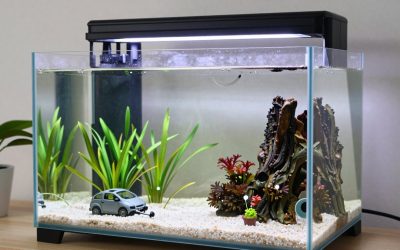
For a standard 20-gallon tank, plan on roughly 20 to 30 pounds for a 2- to 3-inch layer, depending on the tank’s footprint and the substrate’s density. A 10-pound bag may cover a shallow 10-gallon aquarium, but always check the package coverage rather than relying only on tank volume.
2. Material: Inert, Mineral-Based, or Active Soil?
Material determines more than color. Inert quartz, silica, and many natural gravels generally do not intentionally alter pH or hardness. They are flexible choices for community tanks and aquariums where you want to control water chemistry separately.
Calcium-rich materials such as crushed coral, aragonite, and some limestone-based gravels can raise hardness and pH. They may suit certain hard-water setups but can be a poor match for soft-water fish or shrimp. If water chemistry is important, place a small amount in a cup of aquarium water and monitor pH and hardness over several days rather than assuming the label tells the entire story.
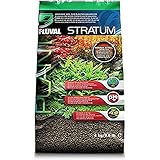
Active planted substrates, including products formulated for planted tanks and shrimp, are designed to interact with the water. Fluval Plant and Shrimp Stratum, for example, is sold in an 8.8-pound bag and is marketed for planted and shrimp aquariums. Active soil can be useful, but it may lower pH and soften water. Follow the manufacturer’s setup and replacement guidance, and test the aquarium after installation.
Decorative examples such as Aqua Natural Sugar White Sand, Galaxy Sand, and Diamond Black Fine Gravel are all priced around $15 for 10 pounds in the examples considered here. Their color and texture may differ substantially, so inspect the stated grain range and whether the product is labeled aquarium-safe, washed, and free of coatings.
3. Construction: Look at Shape, Consistency, and Coating
“Gravel” does not automatically mean fish-safe. Run a small amount between wet fingers. Smooth, rounded, or naturally tumbled grains are preferable for bottom dwellers. Avoid pieces with razor-like points, splinters, or broken glass-like edges.
Consistent grading also matters. A bag containing mostly 1- to 2-millimeter grains behaves predictably. A blend ranging from dust to 10-millimeter stones can separate over time, with fine particles settling underneath larger pieces. That is not always harmful, but it may create uneven flow and make planting or cleaning less consistent.
Coated colored gravel requires extra scrutiny. Look for aquarium-specific labeling and avoid products with flaking paint, a strong chemical odor, or vague craft-use instructions. Rinse substrate in a clean bucket until the water is substantially clearer, but do not aggressively wash active soils or nutrient substrates unless the manufacturer specifically allows it.
4. Comfort and Performance: Think About Fish, Plants, and Filtration
Fish that rest, sift, or search through substrate interact with it constantly. For corydoras and similar bottom dwellers, smooth sand or smooth fine gravel around 0.5 to 2 millimeters is usually a practical target. Avoid sharp crushed rock and jagged decorative chips.
Plants need enough depth to anchor. Most rooted aquarium plants perform better with approximately 2 to 3 inches of substrate, while large root feeders may benefit from 3 to 4 inches at the back of the aquarium. A sloped bed—about 1.5 inches in front and 3 to 4 inches in back—adds visual depth without filling the entire tank with a thick layer.
Grain size also influences filtration. Very fine sand can migrate into an undergravel filter or clog intake sponges if it is disturbed. Keep sand away from filter intakes, use a prefilter sponge where appropriate, and avoid pouring substrate directly onto aquarium equipment. Coarser gravel permits more water movement between pieces but is not self-cleaning; uneaten food and waste can still accumulate.
5. Price Tiers: Compare Cost per Usable Pound
Basic inert sand and gravel commonly cost about $1 to $2.50 per pound, with a 10-pound bag often landing between $10 and $25. The Aqua Natural examples for under $20 per 10-pound bag fit this entry-level range. They may be economical for a small tank, but a 55-gallon aquarium can require 50 to 75 pounds for a substantial bed.
Midrange natural gravel, specialty colors, and better-graded aquarium sands generally cost $2 to $4 per pound. Premium active soils and specialized planted substrates often cost $3 to $6 per pound. The 8.8-pound Fluval Stratum example for under $30 works out to about $3.30 per pound.
Do not compare bags solely by sticker price. Calculate the price per pound, then estimate the amount needed for your tank footprint. Buying one extra bag is often sensible when matching color, because a later production batch may not look identical.
6. Warranty and Product Support
Substrate rarely has a conventional long-term warranty. Most reputable manufacturers instead provide a satisfaction policy for unopened or defective merchandise, and retailers handle damaged packaging or incorrect shipments. Check the return window before opening a bag, especially when buying specialty soil.
Save the receipt, lot code, and product packaging until the substrate is installed and the water is clear. If you notice paint flaking, an unusual odor, sharp fragments, excessive dust, or a mismatch between the product and its description, photograph the material before rinsing it. Do not add questionable substrate to a stocked aquarium.
7. Delivery and Setup: Plan for Dust, Weight, and Installation
Shipping costs can change the value of a heavy substrate order. A single 10-pound bag is easy to handle, but a large planted aquarium may require 50 to 100 pounds. Look for crushed bags, torn seams, or water-damaged packaging when the order arrives.
Before setup, place the aquarium on its proper stand, confirm the tank is level, and add substrate gradually. Rinse inert sand or gravel in small batches. Add a plate, plastic bag, or shallow container before filling with water to reduce clouding. For a new aquarium, arrange hardscape first if the rocks or wood need a stable foundation, then add substrate around them. Never use soap or household cleaners.
Spec Checklist
| Spec | Budget | Mid | Premium |
|---|---|---|---|
| Typical grain size | 0.5–4 mm | 1–3 mm, consistently graded | 0.1–3 mm, purpose-specific blend |
| Material | Inert sand or gravel | Natural mineral or quartz-based substrate | Active planted soil or specialty shrimp substrate |
| Typical price | $1–$2.50 per lb. | $2–$4 per lb. | $3–$6 per lb. |
| Common bag size | 10–25 lb. | 10–25 lb. | 8.8–20 lb. |
| Recommended bed depth | 1.5–3 in. | 2–3 in. | 2–4 in., according to product directions |
| Best use | Basic community tank | Planted or mixed community tank | Specialized planted or shrimp setup |
Red Flags
- There is no stated grain size, material, or aquarium-use designation.
- The product contains sharp shards, excessive powder, or a strong chemical smell.
- Colored grains show peeling, chalky residue, or inconsistent coating.
- The package promises to change pH but gives no testing guidance.
- A deep substrate bed is recommended without instructions for circulation or maintenance.
- The seller provides no clear bag weight, coverage estimate, or return policy.
FAQ
Is sand or gravel better for an aquarium?
Neither is universally better. Sand is comfortable for many bottom-sifting fish and creates a smooth, natural appearance. Fine gravel is generally easier to plant and vacuum deeply. Choose based on livestock, plants, and cleaning habits rather than appearance alone.
What grain size is best for a planted aquarium?
A grain size around 1 to 3 millimeters is a versatile starting point for many planted tanks. Use active soil when you specifically want its water-chemistry and nutrient properties. For heavy root feeders, provide about 2 to 4 inches of depth and follow the substrate manufacturer’s instructions.
How much substrate do I need?
Many aquariums need approximately 1 pound per gallon for a shallow bed, but tank footprint is more useful than volume. A 20-gallon long tank and a tall 20-gallon tank can require different amounts. Measure the length and width, choose a depth, and confirm the manufacturer’s coverage estimate.
Should aquarium substrate be rinsed?
Rinse inert sand and gravel in small batches until most loose dust is removed. Do not use soap. Active soils and nutrient substrates may be intentionally dusty or fragile, so follow the product directions instead of treating them like ordinary gravel.
Ready to decide? Our #1 pick for 2026 is the Typical grain size.
Live price & availability on Amazon.
Related Reviews & Guides
Best Budget All in One Saltwater Tank: Top Smart Shortlist
What Size Heater for 20 Gallon Aquarium? Size Guide With Measurements (2026)