Last Updated: September 25, 2026
Betta fish care guide advice contradicts almost everything printed on the packaging these fish are sold in. Betta splendens is a tropical fish that needs a heated, filtered, cycled tank of at least 5 gallons (19 L), and the small bowls and vases sold alongside them meet none of those three requirements.
As an Amazon Associate we earn from qualifying purchases.
As an Amazon Associate we earn from qualifying purchases at no extra cost to you. Prices and availability are accurate as of the date shown and are subject to change.

API BETTAFIX Antibacterial & Antifungal Betta Fish Infection and Fungus Remedy 1.7-Ounce Bottle
Selected for "Betta Fish Care Guide: Tank, Temperature and Daily Routine": this listing is aquarium equipment (API BETTAFIX Antibacterial & Antifungal Betta Fish Infection and Fungu), matching the equipment this article covers.
View on Amazon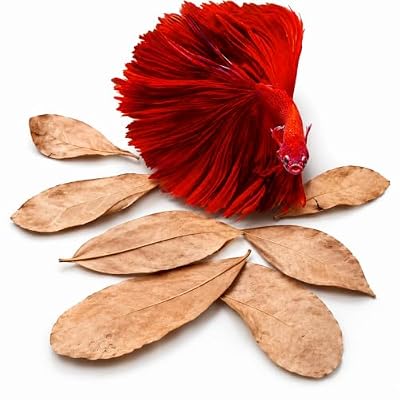
SunGrow 50 pcs Catappa Indian Almond Leaves – 2” Water Conditioner for Betta Fish Tank, Aquarium Leaf for Fish Breeding, Shrimp, Goldfish, Guppy & Frogs
Selected for "Betta Fish Care Guide: Tank, Temperature and Daily Routine": this listing is tanks (SunGrow 50 pcs Catappa Indian Almond Leaves – 2” Water Conditioner for), matching the equipment this article covers.
View on Amazon
API Betta Water Conditioner Betta Fish Freshwater Aquarium Water Conditioner 1.7-Ounce Bottle
Selected for "Betta Fish Care Guide: Tank, Temperature and Daily Routine": this listing is water treatment (API Betta Water Conditioner Betta Fish Freshwater Aquarium Water Condi), matching the equipment this article covers.
View on Amazon
API Betta Water, 64 OZ
Selected for "Betta Fish Care Guide: Tank, Temperature and Daily Routine": this listing is aquarium equipment (API Betta Water, 64 OZ), matching the equipment this article covers.
View on AmazonBy David Nguyen
Quick answer: Our top pick in 2026 is the Bubble nest at the surface — our #1 rated choice. See the full ranked comparison, alternatives and buying advice below.
What a Betta Actually Needs to Stay Well
This betta fish care guide starts with the specification rather than the fish, because nearly every problem people bring to a forum traces back to one of five numbers being wrong. Tank volume, temperature, flow, water quality and feeding amount account for most of what goes wrong.
The Deciding Numbers: Size, Tank Minimum, Temperature and Lifespan
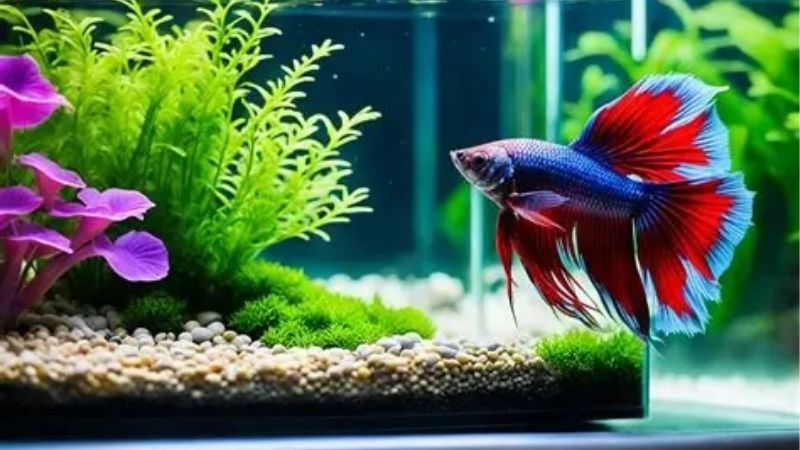
An adult male reaches 2.5-3 in (6-7.5 cm) including the fins and lives three to five years in good conditions. The tank minimum is 5 gallons (19 L), with 10 gallons (38 L) giving noticeably more stable water chemistry and room for plants and tankmates. Buy the larger tank if you can.
Temperature is where most bowls fail. Bettas need 78-82 F (25-28 C) held steadily, which means a heater in almost every room, and they become lethargic and prone to illness below roughly 76 F (24 C). Room temperature is not a temperature range in any useful sense. A heater is not optional in this hobby.
Water chemistry is forgiving by comparison: pH 6.5-7.5 and GH 3-8 dGH (54-143 ppm) suit them, and most tap water falls inside that. What is not negotiable is a cycled tank reading 0 ppm ammonia, 0 ppm nitrite and nitrate held under 40 ppm through weekly changes. Test rather than assume.
The Labyrinth Organ, Flow and Why Both Matter
Bettas breathe atmospheric air through a labyrinth organ as well as through gills, so they must reach the surface easily. That means a lid with a gap of 1-2 in (2.5-5 cm) above the water for humid air, and no floating plant mat so dense it blocks access. Surface access is a hard requirement.
Flow is the other physical constraint. Long finnage acts like a sail, so a betta pushed around by a filter outflow will spend its energy swimming rather than resting. A sponge filter, or an HOB baffled with a sponge or a plastic bottle, solves this cheaply. Watch whether the fish fights the current.
Normal Behaviour Versus Action Thresholds
Bettas display behaviour that alarms new keepers and hide symptoms that should alarm them. The table below separates the two, pairing what you see with the reading that usually accompanies it so you respond to the real problem rather than to appearance alone. Most rows need no action at all.
| What you see | Reading alongside it | What it means | What to do |
|---|---|---|---|
| Bubble nest at the surface | Parameters normal | Normal male behaviour | Nothing, it is a good sign |
| Flaring at reflections | Parameters normal | Territorial display | Reduce glare, add plant cover |
| Resting on leaves near the surface | Parameters normal | Normal resting behaviour | Provide broad-leaved plants |
| Clamped fins, sitting on the bottom | Temperature under 76 F (24 C) | Too cold | Fit or check the heater |
| Fin edges ragged, blackening | Ammonia over 0.25 ppm | Water quality, often fin rot | Test, change water, fix the cycle |
| White spots like salt grains | Any, often after a temperature drop | Ich, a parasite | Raise temperature gradually, treat |
Bettas in Real Tanks
The practical half of any betta fish care guide is the setup around the fish. A 5-gallon (19 L) tank is a minimum rather than a target, and the difference between a minimum tank and a comfortable one shows in how stable the water stays between weekly changes. Volume buys stability.
Tank Size, Placement and Fit
Footprint matters more than height, because bettas swim horizontally and surface regularly. A tank of roughly 16 x 8 in (40 x 20 cm) suits them better than a tall column of the same volume, and a filled 5-gallon tank weighs around 55-60 lb (25-27 kg). Check the shelf before filling it.
Placement decides temperature stability. Keep the tank away from windows, vents and exterior doors, and near a socket so cords can form a drip loop below the outlet. Measure the real numbers before you order: shelf length against tank length, and heater length against water depth.
What Changes Between 5, 10 and 20 Gallon Tanks
In a 5-gallon (19 L) tank, which holds only about 4-4.5 gallons (15-17 L) of actual water after substrate, waste concentrates quickly and temperature shifts faster. Weekly 20-30 percent changes are essential rather than optional, and there is no margin for a missed week. Small tanks punish lapses quickly.
A 10-gallon (38 L) tank roughly doubles that buffer and opens up tankmates such as snails or a small group of pygmy corydoras. At 20 gallons (76 L) the water becomes stable enough that most beginner mistakes are diluted rather than immediately dangerous. Volume forgives beginner errors.
Tankmates, Bioload and Fish to Avoid
Bettas are territorial toward their own kind, and two males will fight until one dies. Keeping several females together is often suggested and frequently fails, since it depends on individual temperament, a large planted tank and constant readiness to separate fish. Plan a backup tank first.
Where tankmates do work, they need overlapping requirements: 78-82 F (25-28 C), pH 6.5-7.5, and no long fins or bright colours that trigger aggression. Nerite snails, amano shrimp and pygmy corydoras are common choices in tanks of 10 gallons (38 L) or larger. Add tankmates one group at a time.
Myths That Cause Most Betta Deaths
Three claims persist because they suit how these fish are sold. Each one is answered by numbers rather than opinion, and correcting all three accounts for a large share of the difference between a betta living eight months and one living four years. Each of them is answered by numbers rather than opinion.
Myth: Bettas Live in Puddles, So Small Bowls Are Fine
Wild bettas live in rice paddies and shallow floodplains that cover large areas and connect to other water, not in isolated cups. Volume matters because it dilutes ammonia and holds temperature, and a 1-gallon (3.8 L) bowl does neither well enough to stay stable. Volume is what buys that stability.
In practical terms, an uncycled bowl accumulates ammonia toward 0.25 ppm and beyond within days, and each large water change swings temperature and chemistry sharply. The result is a fish that is chronically stressed rather than obviously ill, and it shortens lifespan considerably.
Myth: They Do Not Need a Heater or Filter
A betta at 72 F (22 C) has a slowed immune system and reduced appetite, and most homes sit below the 78-82 F (25-28 C) range for at least part of the year. A 25-watt heater covers a 5-gallon (19 L) tank at a 10 F (5.5 C) room differential. Check the dial against a separate thermometer weekly.
The filter question is really about the nitrogen cycle. Without established bacteria on media, ammonia rises continuously between changes, and a sponge filter running gently provides both that colony and the oxygen exchange the tank needs without pushing the fish around. A sponge filter costs very little.
Myth: A Betta That Eats Is a Healthy Betta
Bettas eat readily even while stressed, which is why appetite is a poor health check. The reliable indicators are fin condition, colour intensity, gill movement and whether the fish holds position in the water rather than resting on the substrate for long periods. Watch posture rather than appetite.
Overfeeding is the more common error. Two or three pellets twice a day, taking what the fish finishes in one to two minutes, is enough, and one fasting day a week reduces the bloating and constipation that account for many swim bladder complaints in this species. Underfeeding is rarely the problem.
Long-Term Care, Health and Twelve-Month Costs
Over a betta’s three to five years, this betta fish care guide comes down to a maintenance rhythm and catching problems early. Most illnesses in this species follow a water quality lapse or a temperature drop rather than arriving from nowhere. Lapses cause more than bad luck does.
The Weekly and Monthly Routine
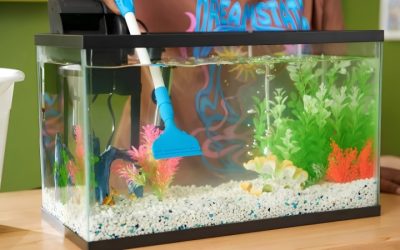
Change 20-30 percent weekly, adjusted to measured nitrate, matching replacement water to within 1-2 F (about 1 C) and dosing dechlorinator for the full tank volume. Rinse filter media in old tank water only, never under the tap, which kills the bacterial colony outright. Squeeze media in a bucket instead.
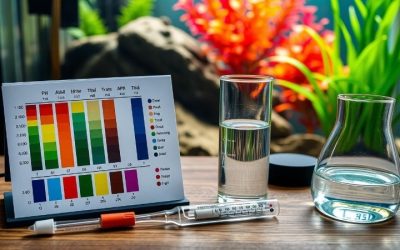
Test ammonia, nitrite and nitrate weekly for the first few months and monthly once the tank is settled. Liquid kits are more reliable than strips, and reagents expire, so replace them roughly once a year rather than trusting a bottle that has been open for three. Expired reagents read falsely low.
Early Signs of Common Illnesses
Fin rot appears as ragged, darkening fin edges and almost always follows ammonia above 0.25 ppm or a missed run of water changes. Ich shows as white spots resembling salt grains, usually after a temperature drop, and velvet gives a fine gold dust look under torchlight. Look under a torch in a darkened room.
Test the water before reaching for any treatment, since correcting the cause resolves many cases on its own. If symptoms cannot be explained by ammonia, nitrite, nitrate or temperature, that is the point to consult an aquatic vet or an experienced local fish store. Water first, medication second.
Equipment Drift, Electrical Safety and Costs
Heaters drift as they age, commonly by 2-4 F (1-2 C), so keep a separate thermometer and check it weekly rather than trusting the dial. Filters lose flow as impellers wear, and both changes happen slowly enough to be mistaken for the fish becoming lethargic. Measure with an independent thermometer.
Run every cord as a drip loop below the socket, and use a GFCI outlet for anything electrical near water. Ongoing costs are food, dechlorinator, test reagents and occasional filter media, and prices move constantly, so check them at the moment of purchase. This betta fish care guide avoids fixed prices.
Frequently Asked Questions
These come up in the first months of keeping a betta, usually once the fish has stopped eating, started sitting on the bottom, or shown fin damage that appeared without any obvious change to the tank or its routine. Most betta fish care guide questions reduce to temperature, volume and feeding.
How long do bettas live?
Three to five years in a heated, cycled tank of 5 gallons (19 L) or more, and often under a year in an unheated bowl. Most fish are already six months to a year old at purchase, so the clock starts before you bring them home. Age at purchase is rarely disclosed, so treat any figure as approximate.
Does this betta fish care guide apply to female bettas?
Yes. Females need the same 5 gallon (19 L) minimum, the same 78-82 F (25-28 C) range and the same cycled water. They are usually shorter finned and slightly less territorial, but keeping several together is far harder than it is usually presented. Separate tanks are the safer default.
Do bettas need tankmates for company?
No. Betta splendens is territorial and does perfectly well alone, which is why a single fish in a 5-gallon (19 L) tank is a complete setup rather than a compromise. Tankmates are an option in larger tanks, never a requirement for the fish itself, and adding them to a 5-gallon tank usually creates problems instead.
Why is my betta sitting at the bottom of the tank?
Check temperature first, since anything under 76 F (24 C) causes lethargy, then test ammonia and nitrite. Bettas do rest on leaves and the substrate normally, so the concern is prolonged bottom-sitting combined with clamped fins or a loss of colour. Duration distinguishes the two.
How often should I feed a betta?
Two or three pellets twice daily, taking what the fish clears in one to two minutes, with one fasting day each week. Uneaten food breaks down into ammonia, so overfeeding damages water quality and causes bloating at the same time. Two minutes of feeding is the whole measure you need.
See More:
Conclusion
The whole betta fish care guide reduces to five numbers: 5 gallons (19 L) minimum, 78-82 F (25-28 C) on a heater, 0 ppm ammonia and nitrite in a cycled tank, gentle flow, and two or three pellets twice a day with a weekly fast. Every other decision in this betta fish care guide follows from those five.
Add a lid with an air gap, broad-leaved plants to rest on, and a weekly 20-30 percent water change. Those conditions turn a fish commonly written off as short-lived into one that reliably reaches three to five years in a home aquarium. Few fish reward a proper setup more visibly than this one.
Ready to decide? Our #1 pick for 2026 is the Bubble nest at the surface.
Live price & availability on Amazon.
Related Reviews & Guides


6 Best Shipwreck Fish Tank Decorations 2026
How to Set Up a Freshwater Aquarium Without Losing Fish