Last Updated: October 21, 2026
Choosing between a digital pH meter and a liquid test kit is less about finding a universally “better” tool and more about matching the test method to the water, soil, food, or aquarium routine in your home. A digital meter delivers a fast numerical reading, which is useful when you need to make small adjustments repeatedly. A liquid test kit uses color-changing reagents and tends to be more informative for multi-parameter testing, especially in aquariums.
The real decision a buyer faces is convenience versus context. If you are checking hydroponic nutrient water, a beverage, canning ingredients, or fermentation brine several times a week, a compact meter may make the process easier. If you are caring for fish and need to understand ammonia, nitrite, nitrate, hardness, and pH together, a liquid kit can provide a broader picture. In 2026, both remain practical household tools, but their ongoing costs and care needs are very different.
As an Amazon Associate we earn from qualifying purchases at no extra cost to you.



Quick Verdict
Choose a digital pH meter if you want a precise pH number quickly, plan to test often, and are willing to calibrate and store the probe correctly. Most handheld models are roughly 6 to 7 inches long, weigh 2 to 4 ounces, and fit in a drawer. They are especially convenient for hydroponics, gardening water, fermentation, and routine household water checks.
Choose a liquid test kit if you need to test more than pH, prefer not to manage a probe, or are monitoring an aquarium. Kits take a few minutes rather than seconds, but the color-comparison process can reveal multiple water conditions from one organized case. They are also generally easier for occasional users to store and revisit without worrying about electrode condition.
For many homes, the best answer is not strictly one or the other: use a digital meter for frequent pH checks and keep a liquid kit for occasional confirmation or full aquarium water testing.
Side by Side
| Category | Digital pH Meter | Liquid Test Kit |
|---|---|---|
| Reading method | Electronic probe displays a numerical pH value, often to 0.01 pH increments. | Reagent drops change sample color; compare it with a printed chart. |
| Comfort and ease | Fast one-hand testing after setup; no drop counting. | Simple hands-on process, but requires shaking vials, adding drops, and reading colors. |
| Durability | Housing can last years, but the glass electrode is delicate and eventually wears out. | Plastic test tubes and case are sturdy; reagents have expiration dates and need replacement. |
| Typical price range | About $15 to $80 for consumer handheld models; specialized food models can cost more. | About $10 to $45 for pH-focused or multi-test aquarium kits. |
| Maintenance | Needs calibration solution, rinsing, proper storage solution, and occasional battery changes. | Needs clean tubes, tightly capped reagent bottles, and attention to expiration dates. |
| Space needed | Usually about the space of a large marker plus a small calibration-solution bottle. | Commonly a 9-by-6-inch to 12-by-8-inch case, plus room to perform the test. |
| Look and storage | Minimal, compact, and easy to tuck into a kitchen, garden, or utility drawer. | More visually busy, with bottles, tubes, cards, and sometimes a hard plastic case. |
| Resale value | Low; used probes are difficult for buyers to trust because electrode condition is uncertain. | Very low; opened chemical reagents and partly used kits have limited resale appeal. |
| Best for | Frequent pH checks in hydroponics, gardening, fermentation, brewing, and food preparation. | Aquariums, ponds, and households that need several water parameters rather than pH alone. |
Where Digital pH Meter Wins
A digital pH meter wins on speed. Rinse the probe, immerse it in the sample, wait for the reading to settle, and record the number. Depending on water temperature and meter design, this usually takes about 10 to 60 seconds. That matters when you are testing a nutrient reservoir every day or checking several containers of water in one session.
It also provides a more granular answer than a color chart. A liquid kit may show that a sample falls around a range such as 6.8 to 7.2, while a meter can display a specific value such as 6.95. That does not automatically make every meter more accurate in real-world use: calibration, probe cleanliness, temperature, and storage all matter. But a maintained meter makes it easier to spot small trends over time.
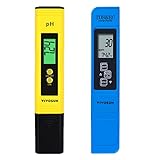
For hydroponic growers, a combination device can further reduce clutter. The VIVOSUN Digital pH Meter TDS EC Meter for Water, listed around $15, represents the type of compact tool homeowners often consider when they want pH, total dissolved solids, and electrical conductivity readings in one testing routine. For food-centered tasks, a product such as the EZTOCH Food pH Meter for food fermentation and canning, around $40, reflects the value of selecting a meter designed for the sample types you actually handle.
Digital meters are also less messy for repeated testing. There are no reagent drops to spill, no color card to interpret under changing kitchen or basement lighting, and no recurring need to replace a whole set of bottles after a certain number of tests. A meter typically uses button-cell or AAA batteries and draws very little power; it is not a plug-in appliance and does not have a meaningful wattage demand during ordinary use.
The tradeoff is care. A pH electrode should not be treated like an indestructible thermometer. The sensing bulb can crack, dry out, become coated with residue, or drift out of calibration. Budget pens are convenient, but they make the most sense for buyers willing to establish a simple routine: calibrate with appropriate buffer solutions as directed, rinse with distilled water between samples, and store the probe according to the manufacturer’s instructions.
Where Liquid Test Kit Wins
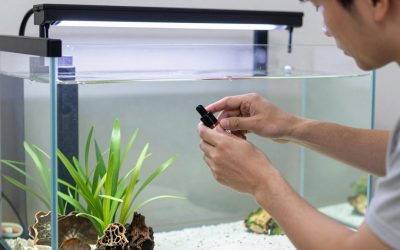
Liquid test kits win when pH is only one part of the problem. This is especially true for fish tanks. Aquarium health can be affected by ammonia, nitrite, nitrate, carbonate hardness, general hardness, and chlorine, depending on the setup. A pH reading alone cannot tell you whether a tank is cycling properly or whether a water-quality issue is developing.
The API Freshwater Master Test Kit, priced around $35, is an example of the broader-style kit aquarium owners use when they need several water tests from one case. It is not as instant as dipping a probe, but its multi-test format supports a more complete maintenance check. For a lower-cost screening option, strips such as the AAwipes 8-in-1 Aquarium Test Kit, around $10, can test several conditions quickly, although strips are a separate category from traditional liquid-reagent kits.
Liquid kits are also approachable for people who do not want to calibrate electronics. Fill the vial to the marked line, add the stated number of drops, shake or wait as directed, then compare the result. The process is tactile and easy to teach. A household with several people responsible for a tank may find the printed instructions and color chart easier to share than a meter with calibration history.
Another advantage is long-term predictability for occasional testing. If you only check an aquarium once a week or test tap water a few times a year, a meter’s probe may spend more time in storage than in use. Reagents still need proper storage and replacement before their expiration date, but they do not require the same electrode-care discipline. Keep bottles closed, upright, away from heat and direct sun, and out of reach of children and pets.
Color interpretation is the main limitation. Yellow indoor lighting, poor eyesight, and naturally tinted water can make shades harder to judge. Test at a clean white counter under bright neutral light when possible. Follow the timing exactly, since color may continue developing after the intended reading window.
Cost Over 5 Years
A basic digital pH meter can be the lower-cost option for frequent testers, but only if the probe remains usable. Expect an initial purchase of roughly $15 to $80, plus about $10 to $25 per year for calibration buffers, storage solution, distilled water, and occasional batteries. Over five years, that places a well-maintained consumer meter at approximately $65 to $205. If the electrode fails and cannot be replaced separately, buying a new meter can raise that total.
A liquid pH-only kit may start around $10 to $20, while a comprehensive aquarium liquid kit is often $25 to $45. Refill bottles or replacement kits vary by test type and usage. A household testing a freshwater aquarium weekly can reasonably spend about $15 to $40 per year after the initial purchase on replacements or added tests. Over five years, a typical total may be approximately $85 to $245.
Those figures are planning ranges, not a promise of product life. Test frequency changes the math more than almost anything else. A daily hydroponic user will extract much more value from a meter than an occasional user. A busy aquarium owner may find the broader information from liquid reagents worth the recurring cost.
Which One for Your Home
Small Apartment
Choose a digital pH meter if you have a countertop hydroponic garden, make kombucha or fermented vegetables, or want the smallest storage footprint. A 6- to 7-inch meter, its cap, and a few small solution bottles can fit in a narrow utility bin. Choose a liquid kit instead if your apartment’s main reason for testing is a small aquarium; the larger case takes more room, but it replaces several separate tests.
Family With Kids or Pets
A digital meter reduces access to liquid reagents during routine pH checks, though the probe and small calibration packets still need safe storage. For aquariums, liquid kits remain useful, but store all bottles in a high cabinet or latching container and supervise testing. Neither option should be left beside a tank, food-prep area, or pet supplies.
Rental
Renters generally benefit from a simple, portable meter for plant water, drinking-water curiosity, or temporary hydroponic setups. There is no installation, no wall power, and no permanent storage system required. If you keep fish, select a liquid kit with the tests your tank actually needs rather than buying a meter solely for pH.
Long-Term Home
For a long-term home with gardens, a greenhouse, fermentation projects, or multiple water sources, a good digital meter is a useful repeat-use tool. Keep it with labeled calibration and storage supplies in a dedicated drawer. For a permanent aquarium, add a liquid master kit to your maintenance station. The combination offers both quick pH monitoring and the broader diagnostic information a tank needs.
FAQ
Is a digital pH meter more accurate than a liquid test kit?
It can be, but only when it is properly calibrated, clean, and stored correctly. A neglected meter can give unreliable readings. A liquid kit can be very useful when instructions are followed carefully, although its result is limited by chart increments and color interpretation.
How often should I calibrate a digital pH meter?
Follow the meter’s manual. Frequent users may calibrate before each important testing session or at least weekly, while occasional users should calibrate before relying on a reading after storage. Use the recommended buffer solutions and replace them when contaminated or expired.
Can I use one pH meter for aquarium water, hydroponics, and food?
Some meters can handle several liquid sample types, but clean the probe carefully between uses and confirm that the manufacturer approves the intended application. A meter used around raw food or fermentation should not be casually shared with aquarium water without thorough cleaning and appropriate sanitation practices.
Are aquarium test strips a replacement for a liquid test kit?
They are convenient for quick screening, but they are not the same testing format. Strips can be helpful for routine checks, while liquid kits are often preferred when you need a more detailed aquarium maintenance process. A digital pH meter can complement either one, but it does not replace tests for ammonia, nitrite, or nitrate.
Do I Need a Heater for Shrimp? An Honest Answer (2026)

Shrimp Tank Water Parameters: Chart, Numbers and Limits