Last Updated: October 4, 2026
A pH pen with more decimals is not automatically more accurate, so specs can mislead. The best ph pen for aquarium water is judged by verified accuracy, calibration architecture, and whether the probe is serviceable, not by how many digits it shows, and its readings still depend on the calibration discipline behind them.
As an Amazon Associate we earn from qualifying purchases.
By David Nguyen
How to Choose a pH Pen
Choosing well means separating accuracy from resolution, weighing calibration architecture, checking probe serviceability, and caring for the electrode. These four points matter because a two-decimal display does not guarantee two-decimal accuracy, and a well-calibrated cheaper pen can outperform a neglected expensive one in everyday use.
Accuracy Versus Decimals
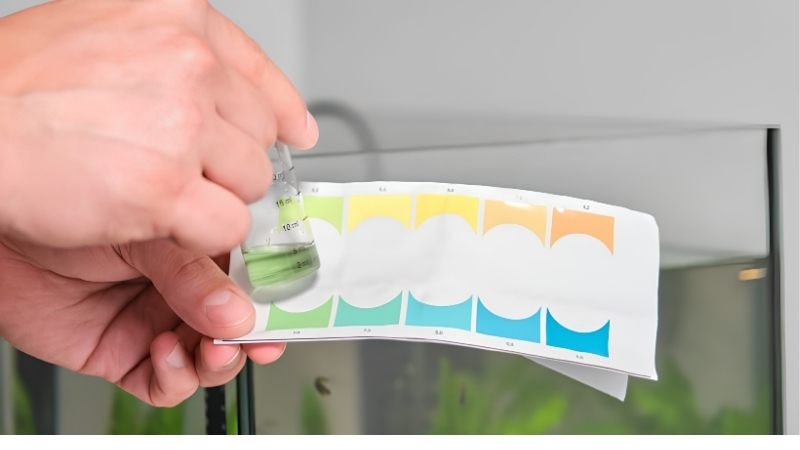
Resolution is how many decimals a pen displays, while accuracy is how close the reading is to true, and they are not the same thing. Two decimals on screen does not mean the pen is accurate to plus or minus 0.01, so read the stated accuracy rather than the display.
The verified accuracies differ meaningfully: the Apera PH60 is plus or minus 0.01, the PH20 is plus or minus 0.1, and the HM Digital PH-80 is plus or minus 0.2. Even so, do not treat plus or minus 0.01 as ten times better in real use, since calibration and electrode condition shape actual performance.
Calibration Architecture
How a pen calibrates affects how trustworthy it stays over time. The Apera PH60 and PH20 support automatic one-to-three-point calibration, which lets you bracket your working range with multiple buffers, while the HM Digital PH-80 uses digital one-point calibration.
Multi-point calibration generally gives more reliable readings across a range than a single point, which matters if you measure both acidic and alkaline tanks. Match the calibration architecture to your needs, and remember that any pen is only as accurate as its last calibration against known buffer solutions.
Probe Serviceability
A pH electrode wears out, so whether the probe is replaceable affects long-term cost and lifespan. The Apera PH60 has a replaceable probe, meaning you can renew the sensor rather than the whole unit, while the PH20 and PH-80 use fixed probes that end the pen’s life when they fail.
So a replaceable-probe pen can be more economical over years of use despite a higher upfront price. If you test frequently and want longevity, serviceability is worth paying for, whereas a fixed-probe pen is fine for lighter use where you accept replacing the whole tool eventually.
Electrode Care and RO/DI
The electrode must be stored wet in proper storage solution, not dry and not in distilled water, or it degrades and readings drift. So do not store the probe in distilled water, and keep the recommended storage solution on the cap to protect the sensor between uses.
There is also a water-type caveat: ordinary pH pens can be unstable in ultra-pure, low-conductivity RO or DI water, so do not assume RO/DI always gives a fast, stable reading. In such water the reading may wander, so allow time, stir gently, and interpret RO/DI results with that limitation in mind.
Top Picks
Three pens span precision, midrange, and budget, plus the discipline that makes any of them trustworthy, with the overall pick going to the most capable unit. Prices are relative and current as of 09/2026, and because accuracy depends on upkeep, treat calibration as part of the purchase rather than an afterthought.
| Model | Best For | Accuracy / Probe | Watch Out For |
|---|---|---|---|
| Apera PH60 | Best overall precision monitoring | +/-0.01; replaceable probe; IP67 | Highest price; still needs calibration |
| Apera PH20 | Midrange waterproof | +/-0.1; fixed probe; IP67 | Fixed probe ends unit life |
| HM Digital PH-80 | Lower-cost aquarium pen | +/-0.2; one-point calibration | Looser accuracy; fixed probe |
| Calibration discipline | The habit that beats specs | Regular two-point calibration | Skipping it makes any pen wrong |
Apera PH60 – Best Overall Precision Monitoring
The PH60 is the precision pick, with plus or minus 0.01 accuracy, 0.01 resolution, automatic one-to-three-point calibration, a replaceable probe, and IP67 waterproofing, at $110 official as of 09/2026. Its combination of accuracy, calibration flexibility, and serviceability earns the overall label.
The replaceable probe helps justify the higher price over years of use, since you renew the sensor rather than the pen. Just remember its 0.01 accuracy is only real when calibrated, so it rewards discipline, and it is not simply ten times better than a well-kept cheaper pen in casual use.
Apera PH20 – Midrange Waterproof
The PH20 is the balanced midrange option, with plus or minus 0.1 accuracy, 0.1 resolution, the same automatic one-to-three-point calibration, and IP67 waterproofing, at $72 official as of 09/2026. It offers Apera’s calibration flexibility at a lower price than the PH60.
Its probe is fixed rather than replaceable, so the whole unit is eventually consumable when the electrode wears out. For most aquarium keepers who want dependable readings with multi-point calibration and waterproofing, it hits a sensible balance between capability and cost.
HM Digital PH-80 – Lower-Cost Aquarium Pen
The PH-80 is the budget-friendly aquarium pen, with plus or minus 0.2 accuracy, 0.1 resolution, digital one-point calibration, a fixed probe, and water resistance, around $40 as of 09/2026. It covers basic pH monitoring for keepers who want a simple, affordable tool.
Its looser accuracy and single-point calibration make it less precise than the Apera pens, so it is best for general checks rather than exacting work. Calibrate it regularly against a known buffer, since even a budget pen gives useful readings when kept in calibration and cared for properly.
Calibration Discipline – The Habit That Beats Specs
Beyond any single pen, the habit that matters most is regular calibration, because an uncalibrated meter reads confidently while being wrong. Calibrating against known buffer solutions, ideally bracketing your working range, does more for real accuracy than buying the highest-spec pen and neglecting it.
So budget for buffer solutions and storage solution, calibrate on a schedule, and store the electrode wet. This discipline is why a well-maintained midrange pen can outperform a neglected premium one, and it is the single most cost-effective upgrade to your pH readings.
Frequently Asked Questions
pH-pen questions focus on calibration frequency, what 0.01 resolution means, RO/DI water, and storage solution. Each answer leads with the direct call, then the caveat that changes it for your particular pen and the water you are measuring.
How Often Should I Calibrate?
Calibrate regularly, and always before readings that matter, because pH electrodes drift over time and a stale calibration undermines accuracy. Many keepers calibrate weekly or before important measurements, using known buffer solutions that bracket their working range for the most reliable results.
Frequency depends on use and how demanding your application is, so a heavily used pen or a critical measurement warrants more frequent calibration. Treat it as routine maintenance rather than a one-time setup, since any pen, cheap or premium, is only as accurate as its last calibration.
Does 0.01 Resolution Mean 0.01 Accuracy?
No, resolution is how many decimals the pen displays, while accuracy is how close it is to true, so two decimals does not mean plus or minus 0.01 accuracy. A pen can show 0.01 steps while being accurate only to a tenth, which is why you read the stated accuracy figure. So compare pens by the accuracy printed in the specifications, and treat on-screen decimals as precision of display rather than proof of correctness.
The PH60 genuinely is plus or minus 0.01, but that precision is real only when calibrated, and it is not ten times better than a tenth-accurate pen in casual use. Judge a pen by its accuracy specification and its calibration state, not by how many digits appear on the screen.
Can I Use a pH Pen in RO/DI Water?
You can, but expect instability, because ordinary pH pens can wander in ultra-pure, low-conductivity RO or DI water. So do not assume RO/DI always gives a fast, stable reading, since the lack of ions makes the electrode struggle to settle on a value. Give the reading extra time to settle, stir gently, and treat a wandering RO/DI number as approximate rather than a precise final value.
To get a usable reading, allow extra time, stir gently, and interpret the result with that limitation in mind. If you regularly measure very pure water, be aware this is an out-of-condition case for standard pens, and treat borderline readings with appropriate caution rather than as gospel.
What Storage Solution Should I Use?
Store the electrode wet in the proper pH storage solution, not dry and not in distilled water, because a dried-out or distilled-stored probe degrades and readings drift. The storage solution keeps the sensor hydrated and conditioned so it responds accurately when you next measure. Keep a small bottle of storage solution with the pen so the probe never sits dry between uses.
So keep storage solution on hand and refill the cap as needed, rather than leaving the probe exposed. Distilled water actually harms the electrode over time, which is a common mistake, so use the manufacturer’s storage solution to protect the sensor and preserve accuracy between uses.
Final Thoughts
The best pH pen for aquarium water is judged by real accuracy, calibration, and probe serviceability rather than display decimals, so the serviceable Apera PH60 leads, the PH20 balances cost, and the PH-80 covers basics. Read stated accuracy not resolution, store the electrode wet in storage solution, expect instability in RO/DI water, and remember calibration discipline beats buying the highest spec.
As an Amazon Associate we earn from qualifying purchases at no extra cost to you. Prices and availability are accurate as of the date shown and are subject to change.
Related Reviews & Guides
Best Aquarium Sump for Freshwater Tanks: Top Expert Guide
Best Aquarium Stand For 55 Gallon Tank: Reliable Compared