Last Updated: October 4, 2026
Cichlid substrate advice collapses two very different fish into one shelf. The best inert substrate for cichlid tank setups is a neutral, non-buffering sand or fine gravel matched to your fish’s digging, but it is only correct once you separate hard-water Rift Lake species from American cichlids that do not need buffering.
As an Amazon Associate we earn from qualifying purchases.
By David Nguyen
Quick answer: For most people in 2026, the best inert substrate for cichlid tank is the CaribSea Torpedo Beach — our #1 rated choice. See the full ranked comparison, alternatives and buying advice below.
When Inert Substrate Makes Sense
Inert substrate suits cichlids whose water chemistry is handled elsewhere, not every cichlid tank by default. The right call depends on which cichlids you keep, what inert actually means, matching grain to digging behavior, and recognizing when a buffering substrate is the better tool instead.
Rift Lake vs American Cichlids
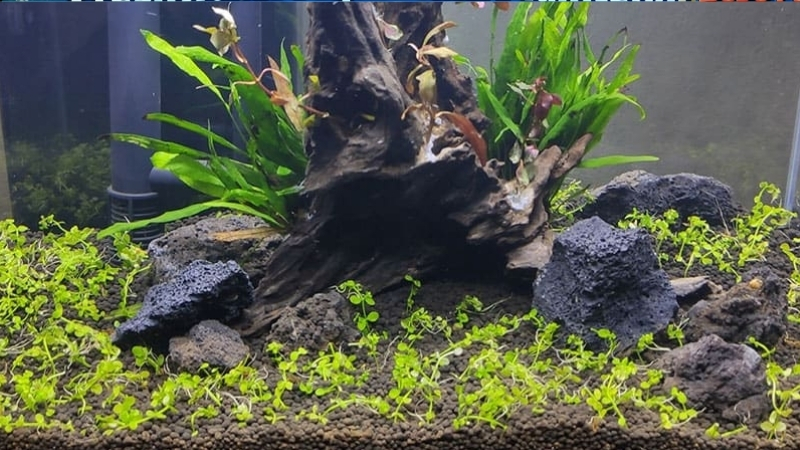
The first split decides everything, because Rift Lake cichlids from Malawi and Tanganyika want high pH and hardness, while many American and dwarf cichlids do fine in neutral water. An inert substrate keeps chemistry where your source water and other materials set it, which serves American species but does not supply the minerals Rift Lake fish rely on.
Do not assume all cichlids need high pH, because that myth pushes keepers toward buffering substrate they may not want. Identify your species first, then decide whether neutral inert substrate fits or whether you should be buffering deliberately through the substrate or elsewhere.
What Inert Actually Means
Inert means the substrate does not intentionally buffer minerals into the water, not that it forces a specific pH. CaribSea Torpedo Beach, Crystal River, Peace River, and Carolina Creek are all described as neutral with no hardness increase, so they hold rather than push your parameters.
That is different from saying pH-neutral forces pH 7.0, which it does not; your actual pH still depends on source water, decor, and CO2. Treat an inert substrate as a stable baseline you build chemistry on top of, then test your water to see where it truly settles.
Match Grain to Digging
Cichlids sift, dig, and rearrange, so grain size affects both behavior and cleanup. Torpedo Beach spans 0.5-2.0 mm, Crystal River is a fine 0.5-1.0 mm sand, Peace River is a 1.0-2.0 mm fine gravel, and Carolina Creek bridges the two at 1.0-2.5 mm, so you can pick texture for your species on purpose.
Sand suits earth-eaters and sifters that pass substrate through their gills, while fine gravel resists being blown around by strong filtration. Very fine sand looks natural but clouds when big cichlids dig, so match the grain to how much your fish actually move the bed.
When a Buffering Substrate Is Appropriate
For a dedicated Rift Lake tank, a purpose-made African cichlid buffering substrate is the correct tool, not an inert sand. Those substrates raise pH and hardness on purpose, which is exactly what Malawi and Tanganyika communities need, so inert is not automatically best for every African cichlid.
Because buffering and inert substrates have opposite chemistry goals, they are not interchangeable and should not be compared as the same category. Decide the chemistry your species need first, then choose inert when you want stability or a buffering substrate when you want a deliberate mineral rise.
Top Picks
Four CaribSea substrates cover the inert range from fine sand to fine gravel, all neutral with no hardness increase. Prices are relative and current as of 09/2026, and because these ship in 20 lb bags, choose by grain and digging behavior rather than a price gap that barely exists.
| Product | Best For | Key Spec | Watch Out For |
|---|---|---|---|
| CaribSea Torpedo Beach | Best overall inert pick | 0.5-2.0 mm; neutral, no hardness rise | Won’t buffer Rift Lake hardness |
| CaribSea Crystal River | Best fine sand | 0.5-1.0 mm; neutral, no hardness rise | Big diggers cloud fine sand |
| CaribSea Peace River | Best fine gravel | 1.0-2.0 mm; neutral, no hardness rise | Coarser grit lets waste settle deep |
| CaribSea Carolina Creek | Best mixed sand/gravel look | 1.0-2.5 mm; neutral, no hardness rise | Mixed grain still needs vacuuming |
CaribSea Torpedo Beach – Best Overall Inert Pick
Torpedo Beach is the strongest default inert choice because its 0.5-2.0 mm range spans sand into fine gravel, so it suits a wide mix of cichlid behavior. It is a natural, neutral substrate with no intentional hardness increase, sold as a 20 lb bag around $20 as of 09/2026, and its American-cichlid use is commonly discussed.
Being inert, it will not supply the minerals a Rift Lake community needs, so it is the wrong tool for a buffered Malawi tank. Read overall here as the best all-round inert option, not as the best substrate for African cichlids, which is a different requirement entirely.
CaribSea Crystal River – Best Fine Sand
Crystal River is the fine-sand pick at 0.5-1.0 mm, giving a smooth, light bed that sifting cichlids and earth-eaters work naturally. It is neutral with no hardness increase and runs around $15 on sale or under $20 regular for a 20 lb bag as of 09/2026.
Fine sand’s weakness shows with large diggers, which can cloud the water when they excavate, so pair it with gentle, indirect flow. It anchors decor and roots but does not feed plants, so add root tabs if you keep planted areas in the tank.
CaribSea Peace River – Best Fine Gravel
Peace River is the fine-gravel option at 1.0-2.0 mm, resisting the blow-around that fine sand suffers under strong cichlid-tank filtration. It shares the neutral, no-hardness-increase chemistry and sells as a 20 lb bag around $20 as of 09/2026.
The trade-off with coarser grit is that uneaten food and waste can settle deeper into the bed, so vacuum regularly and feed conservatively. It suits keepers who want a stable, natural-looking gravel that stays put under active fish.
CaribSea Carolina Creek – Best Mixed Sand/Gravel Look
Carolina Creek bridges sand and gravel at 1.0-2.5 mm, giving a natural mixed texture with the same neutral, no-hardness-increase behavior. It sells as a 20 lb bag around $20 as of 09/2026 and reads as a softer, more varied bed than uniform gravel.
As a mixed grain it still collects fine debris and needs routine vacuuming, so it is not maintenance-free. It is a good middle choice when you want more visual texture than plain gravel without dropping to the finest sifting sand.
Frequently Asked Questions
Cichlid-substrate questions cluster around African cichlid use, sand versus gravel, pH effects, and Malawi tanks specifically. Each answer leads with the direct call, then the exception that changes it for your particular species and source water.
Is Inert Substrate Good for African Cichlids?
It depends on the lake, because inert substrate does not supply the high pH and hardness Rift Lake Africans need. For a Malawi or Tanganyika community, a buffering African cichlid substrate is usually the better tool, since it raises minerals on purpose rather than staying neutral the way an inert bed does.
Inert can still work for African species if you buffer the water another way, such as with mineral additives or buffering rock in the tank. The key point is that inert is not automatically best for every African cichlid, so decide the chemistry your fish need first and then match the substrate to that target.
Sand or Gravel for Cichlids?
Choose sand for sifting and earth-eating species that pass substrate through their gills, and fine gravel for tanks with strong flow where fine sand blows around. Crystal River at 0.5-1.0 mm suits sifters, while Peace River at 1.0-2.0 mm stays put better under the active filtration a cichlid tank usually runs.
Larger diggers cloud fine sand when they excavate, so factor in how much your fish actually rearrange the bed each day. If you want a compromise, a mixed grain like Carolina Creek at 1.0-2.5 mm balances natural sifting texture with easier maintenance and less blow-around under flow.
Does Inert Substrate Affect pH?
Inert substrate is designed not to intentionally buffer, so it holds rather than pushes your pH, but it does not force any specific number. The CaribSea inert sands are described as neutral with no hardness increase, which means your actual pH still depends on source water, decor, driftwood, and CO2 levels.
Do not read pH-neutral as a guarantee of pH 7.0, since a tank with acidic wood or alkaline rock will drift regardless of the substrate underneath. Test your water after setup to see where it truly settles, then adjust chemistry deliberately with additives or buffering materials if your species require it.
Can I Use Inert Substrate in a Malawi Tank?
You can, but you will usually need to buffer the water separately, because a Malawi tank wants the elevated pH and hardness that inert substrate does not provide on its own. Many Malawi keepers prefer a buffering substrate precisely so the bed itself helps hold those higher parameters between water changes.
If you like the look of an inert sand, pair it with mineral buffering through additives or buffering rock and monitor pH and hardness closely over time. The honest summary is that inert plus deliberate buffering can work in a Malawi tank, while inert alone is not ideal for a demanding Rift Lake community.
Final Thoughts
The best inert substrate for cichlid tank builds is a neutral, non-buffering sand or fine gravel matched to your fish’s digging, which is why Torpedo Beach leads while Crystal River, Peace River, and Carolina Creek win on grain and texture. Separate Rift Lake species from American cichlids first, choose inert only when chemistry is handled elsewhere, and reach for a buffering substrate when you want a mineral rise.
As an Amazon Associate we earn from qualifying purchases at no extra cost to you. Prices and availability are accurate as of the date shown and are subject to change.
Ready to decide? Our #1 pick for 2026 is the CaribSea Torpedo Beach.
Live price & availability on Amazon.
Related Reviews & Guides


Fish Trap & Acclimation Cup
Aquarium Heater Placement: Where It Goes and Why It Matters