Last Updated: October 21, 2026
The box itself draws no power, so the best energy efficient aquarium overflow box is really about the system: the delivered flow you require, whether the design is passive or auxiliary-powered, a right-sized capacity, and the return-pump load that actually consumes the watts.
As an Amazon Associate we earn from qualifying purchases.
By David Nguyen
How to Choose an Energy Efficient Aquarium Overflow Box
Efficiency here is a system property, not a box spec, because common overflows are passive gravity and siphon hardware. Weigh the delivered flow you truly need first, then whether the design is passive or auxiliary-powered, a right-sized capacity, and the return-pump load that draws the power.
Required Delivered Flow
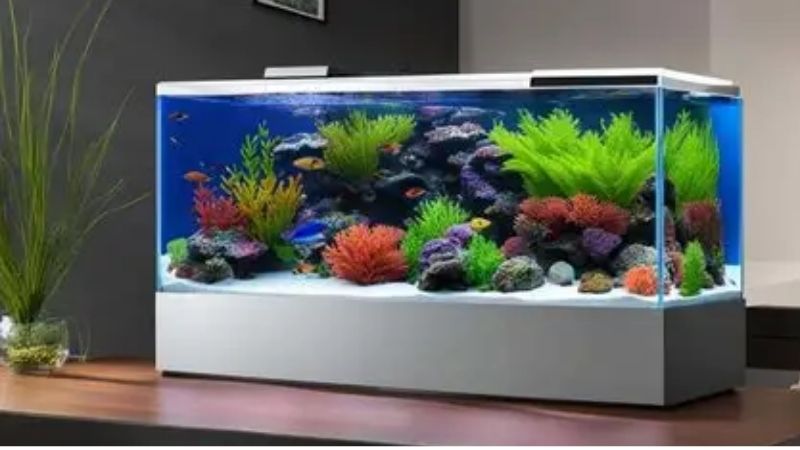
Energy use starts with how much water you move, set by the return pump, not the overflow. A 50-gallon tank at a two-to-five-times planning range needs about 100 to 250 GPH, and a 300-GPH box like the Eshopps PF-300 already covers that upper planning value comfortably.
Because the pump determines the watts, the efficient move is to require only the flow your tank actually needs. Oversizing the return to feed a huge overflow burns power for no benefit, so define the delivered flow first and let it size both the box and the pump behind it.
Passive or Auxiliary-Powered Architecture
Most overflows here are purely passive: the PF-300, Fiji EOF-4, Eclipse S and PF-800 move water by gravity and siphon with no motor of their own. That means there is no valid overflow watt rating to compare, since no dedicated motor or power supply is part of the assembly.
The exception is auxiliary-powered designs. A CPR-style continuous-siphon Deluxe system can include a small air pump to maintain its siphon, which does draw power, but no matched wattage comparison against passive boxes was verified, so treat that as a design difference rather than a ranked figure.
Right-Sized Capacity
Right-sizing the overflow is the real efficiency lever. A box rated far above your delivered flow does not save energy, but choosing a class that matches your flow lets you run a smaller, lower-watt return pump, which is where the actual savings live over the life of the tank.
So resist buying capacity as a safety blanket. The Eclipse S at 600 GPH and PF-800 at 800 GPH have their place on larger returns, but on a modest tank the 300 or 400 GPH classes let a gentler pump do the job and quietly draw fewer watts every hour it runs.
Return-Pump Load
The return pump is the component that spends electricity, and its load rises with both flow and head. Every extra foot the pump must lift and every excess GPH you demand raises the wattage, so the overflow’s job is simply to pass the flow a right-sized pump delivers.
Plan the plumbing to reduce head where you can and size the pump to the flow you settled on, not the box’s maximum. An efficient system pairs a modest, well-matched pump with an overflow that comfortably handles that flow, rather than a big box driving a needlessly thirsty pump.
Top Picks
These four passive overflows map to different flow needs rather than a single efficient winner, since no standardized overflow energy metric exists. Each lists verified specs, a relative price tier, and the drawback to weigh as you size the box, and the pump behind it, to your real flow.
| Product | Best For | Key Spec | Watch Out For |
|---|---|---|---|
| Eshopps PF-300 | Best for a right-sized small return | 300 GPH HOB U-tube; passive | Siphon/U-tube upkeep |
| Fiji Cube EOF-4 | Best for a low-profile drill | 400 GPH drilled; passive | Drilling; sale price varies |
| Eshopps Eclipse S | Best for a larger return | 600 GPH drilled; dual 1-in drains | Requires a drillable panel |
| Eshopps PF-800 | Best for high no-drill flow | 800 GPH HOB U-tube; passive | Max flow is not forced flow |
Eshopps PF-300
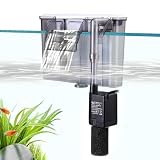
The Eshopps PF-300 suits an efficient small system, a passive 300-GPH hang-on U-tube that covers a modest tank’s return without inviting an oversized pump. On a 50-gallon at up to 250 GPH planning flow, it clears the load while letting a small, low-watt pump do the work.
Around $125 retail or under $150 from the maker as of 09/2026, it draws no power itself, as its efficiency comes entirely from pairing it with a right-sized pump. Its trade-off is siphon and U-tube upkeep, the usual cost of a passive hang-on design over the long term.
Fiji Cube EOF-4
The Fiji Cube EOF-4 is the low-profile passive option, a 400-GPH drilled external overflow with a template and diamond holesaw. It adds no watts of its own, and its modest capacity keeps you honest about pump sizing rather than tempting a larger, thirstier return over time.
At about $125 on sale or under $150 regular as of 09/2026, drilling is required and the sale price is time-sensitive. Its efficiency, like every passive box here, is a matter of matching it to a pump sized for your real flow rather than any rating on the overflow itself.
Eshopps Eclipse S
The Eshopps Eclipse S fits a larger but still efficient return, a passive 600-GPH drilled box with dual one-inch drains. When your tank genuinely needs more flow, it passes it on gravity alone, so the extra capacity does not itself add any electrical load to the system at all.
At about $150 retail or under $150 from the maker as of 09/2026, it requires a drillable panel. Choose it only when your delivered flow truly calls for 600 GPH, since pairing a big box with a big pump you do not need is the opposite of an efficient build.
Eshopps PF-800
The Eshopps PF-800 offers high no-drill flow, a passive 800-GPH hang-on U-tube for 75 to 125 gallon tanks. It draws no power on its own, but its high ceiling can tempt an oversized pump, so treat the rating as a maximum rather than a target to feed water to.
Around $125 retail or under $150 from the maker as of 09/2026, its 800-GPH maximum is not forced sump flow. The efficient path is to pair it with a pump sized to your actual return, using the extra headroom as insurance rather than a reason to move more water than you need.
Frequently Asked Questions
Buyers chasing efficiency ask a consistent set of questions about an overflow, often expecting a watt rating. Each answer opens with the practical call, then the condition that changes it, so you can locate the real energy cost in the pump and the flow, not the passive box.
What spec should decide this purchase?
Required delivered flow should decide it, because that flow sets the pump’s power draw. Since the overflow is passive and draws nothing, choose the smallest capacity that clears your real flow, which lets a smaller, lower-watt return pump run the system efficiently over time.
So define the flow your tank needs first, then size the box and pump to it. Efficient overflow purchasing often means avoiding unnecessary return-pump flow rather than hunting for a low-watt box, because there is no meaningful wattage in a gravity-and-siphon overflow to shop for.
Which numbers are hard facts and which are heuristics?
The GPH ratings, dimensions and September 2026 prices are hard facts. The two-to-five-times turnover range, giving a 50-gallon about 100 to 250 GPH, is a planning heuristic, and there is simply no valid overflow GPH-per-watt figure because passive boxes have no motor or power supply.
Where power does appear, it is unverified for comparison. An auxiliary air pump on a continuous-siphon system draws watts, but no matched wattage test against passive boxes exists, so treat that as a design note rather than a number you can rank one box against another with.
Is the highest headline number always better?
No, and a bigger overflow can quietly worsen efficiency by encouraging a larger pump. The rating is a passive ceiling, not a power figure, and capacity measured under ideal conditions does not translate to your plumbing, so the top number is a poor guide to an efficient build.
The efficient choice is the smallest box that clears your real flow paired with a right-sized pump. Let delivered flow and pump load decide, and treat a high GPH rating as headroom rather than a benefit, since the watts live in the pump, never in the overflow itself.
When might the reader not need this?
If your tank runs without a sump, there is no return pump load to optimize and no overflow needed, so the whole efficiency question dissolves. A box and pump only exist to serve a sump, so confirm that plan before worrying about the system’s power draw at all.
And if your current pump is already right-sized for a modest flow, a new overflow will not save energy on its own. Efficiency comes from the pump and flow decisions, so change those rather than expecting a passive box swap to lower the electricity a running system uses.
Final Thoughts
For efficiency, the best energy efficient aquarium overflow box is a passive box right-sized to your real delivered flow so a smaller, lower-watt return pump can run the system. The watts live in the pump, not the overflow, so avoid unnecessary flow and size the box to the tank rather than chasing a rating.
8 Best Fish Breeding Boxes and Breeder Tanks: Protect Your Fry

6 Best Filter Pads For Aquarium 2026