Last Updated: October 21, 2026
Real value is a complete, usable setup at a fair price, so the best aquarium overflow box for the money is judged on the whole installation package at its verified price, then the architecture, the capacity, and the hidden install cost most buyers forget to add.
As an Amazon Associate we earn from qualifying purchases.
By David Nguyen
How to Judge Overflow Box Value
Cheap and good value are not the same thing, so look past the sticker. Weigh the usable installation package at its verified price first, then the architecture you are actually buying, the capacity relative to your flow, and the hidden install cost that turns a low price into a higher one.
Usable Installation Package at a Verified Price
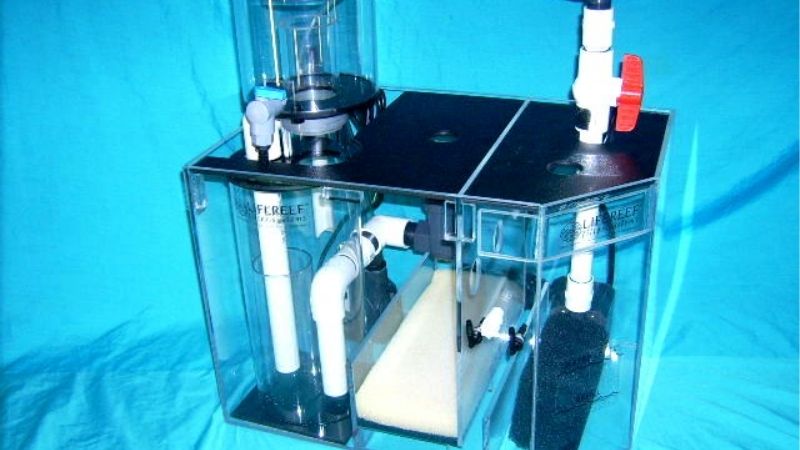
Value starts with what you can actually run for the money. The Eshopps Eclipse S delivers a complete drilled dual-drain package at about $150, while the Xaqua INOUT is about $100 and the Eshopps PF-300 around $125, each a different bundle of capability rather than the same box at three prices.
Judge the package, not the number. A drilled box includes bulkheads and a proper drain path, a hang-on trades that for no drilling, and a combined unit merges return and overflow, so the fair question is which usable setup your tank needs at the price it commands as of 09/2026.
Architecture
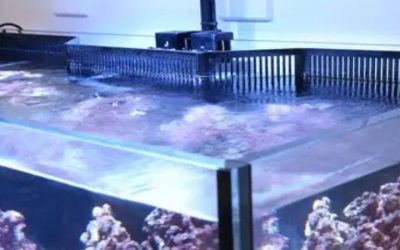
Architecture drives both value and effort. The Eclipse S and Fiji Cube EOF-4 are drilled designs that run quietly and reliably once set, the PF-300 hangs on the back with no drilling, and the Xaqua combines overflow and return in one drilled unit for a different kind of simplicity.
Each architecture carries its own long-term value. A drilled box asks for a one-time hole but repays it with trustworthy gravity flow, while a hang-on avoids drilling yet adds siphon upkeep, so the best value depends on which trade-off fits how you will actually run the tank.
Capacity
Capacity should match your flow, and per-GPH math can illuminate value if read narrowly. On a dollars-per-100-GPH basis the Xaqua lands around $15, the Eclipse S about $25, the Fiji sale near under $30, and the PF-300 about $40 — a comparison lens, not an overall-value score.
Do not let that ratio crown a winner by itself. The Xaqua looks cheapest per GPH, but capacity you never use is not value, so size to your delivered flow first and treat the per-100-GPH figure as one input among architecture, package and install cost rather than the verdict.
Hidden Install Cost
The hidden cost is where sticker value unravels. The PF-300 sits roughly 14.3% below the Eclipse S using the Eclipse as the base, but the Eclipse’s price already buys a drilled dual-drain path, while a cheaper hang-on adds ongoing siphon maintenance to the true cost of ownership.
Drilled boxes add a one-time drilling and plumbing outlay; hang-ons add recurring upkeep. Fold those into the comparison, since the Fiji sale sits about 15.0% below the Eclipse on the Eclipse base yet still needs drilling, so the honest price is always the complete installed one.
Top Picks
These four overflows are ranked for value by the complete usable package at a verified price, not the lowest sticker. Each lists verified specs, a relative price tier, and the drawback that matters most when the cheapest box on the shelf is rarely the best value once installed.
| Product | Best For | Key Spec | Watch Out For |
|---|---|---|---|
| Eshopps Eclipse S | Best overall | 600 GPH drilled; dual 1-in drains; ~under $150 | Requires drilling |
| Xaqua INOUT | Best for lowest cost per GPH | Up to 660 GPH; ~$15 per 100 GPH | Different architecture; drilling |
| Fiji Cube EOF-4 | Best for a low-profile drill | 400 GPH; template + holesaw | Sale price varies |
| Eshopps PF-300 | Best for a no-drill package | 300 GPH HOB U-tube; up to 75 gal | Siphon upkeep |
Eshopps Eclipse S
The Eshopps Eclipse S is the value overall pick because its price buys a complete, usable package: a drilled 600-GPH box with dual one-inch drains that runs quietly and reliably once installed. For most sump builds it is the fair middle where price and real capability meet.
At about $150 retail or under $150 from the maker as of 09/2026, it requires drilling, so confirm the panel is borable. It is not the cheapest sticker, but value is not the lowest price; the dual-drain path you get for the money is what makes it the sensible buy here.
Xaqua INOUT
The Xaqua INOUT is the cost-per-GPH leader, a combined overflow and directional return rated up to 660 GPH at about $100, which works out near under $20 per 100 GPH. On the narrow measure of capacity per dollar, nothing else in this group comes close to it.
That said, per-GPH is not overall value, and the Xaqua still requires drilling and a different architecture from a dedicated multi-drain overflow. Around $100 to under $100 as of 09/2026 it is the pick for buyers who want maximum rated flow per dollar and accept its combined design.
Fiji Cube EOF-4
The Fiji Cube EOF-4 is the low-profile drilled value option, a 400-GPH external overflow that ships with an install template and a diamond holesaw. Bundling the drilling hardware adds real usable value, since you are not buying a separate holesaw to complete the installation yourself.
At about $125 on sale or under $150 regular as of 09/2026, the sale price is time-sensitive and sits roughly 15.0% below the Eclipse S on the Eclipse base. Drilling is still required, so weigh the included template against the ongoing value of the Eclipse’s larger dual-drain capacity.
Eshopps PF-300
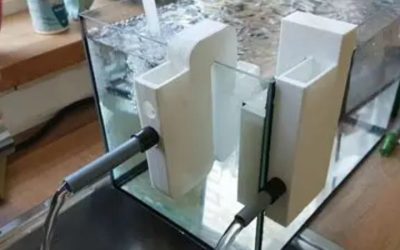
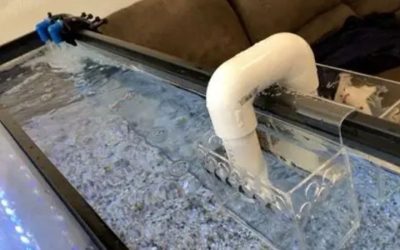
The Eshopps PF-300 is the no-drill value package, a 300-GPH hang-on U-tube with a one-inch bulkhead and guidance up to 75 gallons. For a buyer who cannot drill, its value is avoiding a hole entirely while still feeding a sump reliably from the back of the tank.
Around $125 retail or under $150 from the maker as of 09/2026, it sits about 14.3% below the Eclipse S on the Eclipse base. The trade-off is siphon and U-tube upkeep, so its lower price buys convenience up front against a little recurring maintenance cost over time.
Frequently Asked Questions
Value-minded buyers ask a consistent set of questions about an overflow before spending. Each answer opens with the practical call, then the condition that changes it, so you can judge value by the complete installed package rather than the lowest number on the price tag.
What spec should decide this purchase?
The usable installation package at its verified price should decide it, not the sticker alone. Ask what you can actually run for the money — the drain path, the capacity, the included hardware — since a complete package at a fair price beats a bare box that is cheaper up front.
From there, weigh architecture, capacity and hidden install cost together. Value is not the same as the lowest price, so the box that delivers the setup your tank needs, drilling and upkeep included, is the one that is genuinely best for the money in the end.
Which numbers are hard facts and which are heuristics?
The prices, GPH ratings and dimensions are hard facts, and the dollars-per-100-GPH figures — Xaqua near under $20, Eclipse S about $25 — are arithmetic on them. Those ratios are a comparison lens, explicitly not an overall-value score across different architectures and packages.
The percentage gaps, like the PF-300 sitting about 14.3% below the Eclipse S on the Eclipse base, are equally concrete but shift with the market. Read them as current snapshots and fold architecture and hidden install cost into the judgment rather than ranking on ratios alone.
Is the highest headline number always better?
No, and neither is the cheapest per GPH. The Xaqua wins on capacity per dollar, but a big rating you never use is not value, and figures measured under different conditions do not compare cleanly across combined, drilled and hang-on architectures in any reliable case.
The best value is the complete package your tank actually needs at a fair verified price. Let architecture, real capacity and the installed cost decide, and treat both the highest GPH and the lowest per-GPH figure as inputs rather than the answer to which box to buy.
When might the reader not need this?
If your tank runs without a sump — an all-in-one or canister build — even the best-value overflow is money on a problem you do not have. A box exists only to feed a sump, so confirm that plan first before weighing which one is genuinely the smartest buy for the money on your tank.
And if a simpler, cheaper class already clears your flow, spending up for capacity you will not use is poor value by definition. Match the package to a real sump-and-return plan, since the best value is always the setup your specific tank genuinely requires and nothing more.
Final Thoughts
The best aquarium overflow box for the money is the complete usable package at a fair verified price, not the lowest sticker or the cheapest per GPH. Weigh architecture, real capacity and the hidden install cost together, and buy the setup your tank actually needs rather than the number that looks best alone.
11 Best Air Stones for Aquariums: Top Picks and Setup Guide 2026

Aquarium Air Pump Silent Review