Last Updated: October 21, 2026
Automating supplements need not be costly, but the cheapest single-head pump is rarely the cheapest way to dose two or four liquids. The best budget dosing pump automates the exact number of channels you need at the lowest real system cost, with accuracy you can repeat every day.
As an Amazon Associate we earn from qualifying purchases.
By David Nguyen
What Budget Really Means for a Dosing Pump
Budget is not the sticker price on one pump head; it is the total cost to automate every liquid you dose on its own schedule. A one-head bargain can cost more than a four-head box once you buy two or three plus a controller, so value depends on channel count, not the lowest headline number.
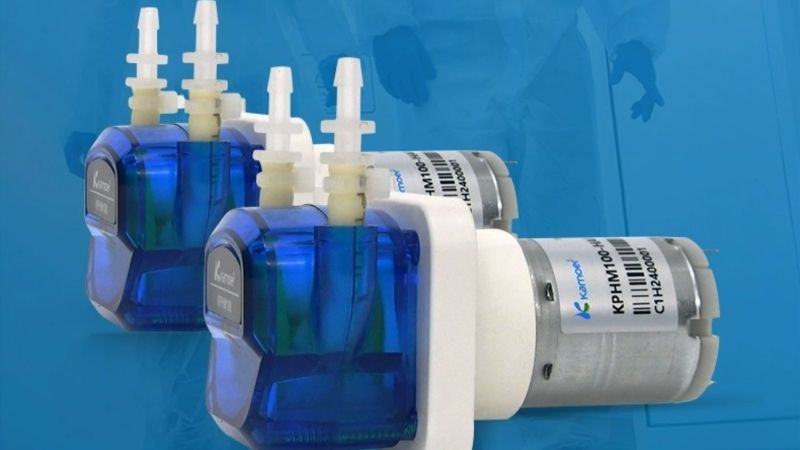
Cost Follows Channel Count, Not the Sticker Price
A single-head pump looks cheap until you dose a two-part or four-part supplement. Two BRS 1.1 mL pumps run about $125 at promo plus an external timer, while a four-head Simplicity is under $150 with a built-in controller, so the multi-channel box can undercut a pair of single heads once control is counted.
Work the real cost by the number of independent liquids you plan to dose, then compare whole systems. Cost per head tells the story: Simplicity lands near under $40 per channel, the Kamoer X1 PRO around $80, and the Bubble Magus TS1 about $100, so more heads in one box often means less money per liquid.
Minimum Dose and Accuracy Still Matter on a Budget
A cheap pump is a poor deal if it cannot place the small, repeatable dose your additive needs. The Kamoer X1 PRO states a 0.1 to 9999.99 mL range with under two percent accuracy, which covers fine supplements, while pumps that list only a coarse daily range can struggle to micro-dose a two-part solution.
Read the accuracy figure and the minimum dose together, since a wide maximum flow says nothing about how small a dose repeats. The Simplicity lists roughly 0.1 mL per 10 mL, so budget accuracy is workable, but confirm the smallest step against your supplement label rather than assuming any cheap pump doses finely.
Built-in Controller Versus an External Timer
Some budget pumps need an external timer or controller to run, which adds cost the sticker price hides. The BRS 1.1 mL pump is intermittent and requires an outside controller, so its real price is higher than the pump alone, while the Bubble Magus TS1 and Simplicity include onboard control that runs the schedule.
Decide whether you want an app, a physical controller, or a standalone box before comparing prices, since that choice changes the total. The Kamoer X1 PRO uses WiFi and an app, the Simplicity programs onboard with no app, and a bare pump plus timer sits between them, so match control style to how you work.
Duty Cycle: Intermittent Dosing Versus Continuous Feed
Budget dosing pumps are built for intermittent additive dosing, not continuous running, and mixing the two shortens their life. A pump rated for short scheduled doses wears quickly if pushed to run for long stretches, so confirm the duty description matches your job before assuming a cheap pump can feed a reactor.
If you only need a few short doses a day, an intermittent budget pump is a sound fit and the cheapest route to automation. Keep continuous or high-volume tasks, such as automated water changes, on hardware built for that duty, since forcing a low-cost pump into a continuous role trades a small saving for early failure.
Best Budget Dosing Pumps Compared
These four verified pumps cover the common budget paths, from a single smart head to a four-channel box, and no unit is best for every job. The right pick depends on how many liquids you dose and whether you want app control, onboard programming, or simply the lowest cost per channel for a daily schedule.
Kamoer X1 PRO
The Kamoer X1 PRO suits a budget doser who wants app control on one liquid with room to expand. It is a single head listing over 33 mL per minute, a 0.1 to 9999.99 mL range, and under two percent accuracy, with WiFi scheduling. It runs about $80 on special as of 09/2026, up to under $100 at regular pricing.
Its strength is fine programmable dosing and app scheduling at a low single-head price, useful if you add channels later. The catch is a documented conflict over whether it daisy-chains three or four units, so confirm the current limit with the retailer before planning a multi-head system around this one pump.
BRS 1.1 mL Doser
The BRS 1.1 mL pump fits a cost-first builder comfortable adding an external controller. It is a single head averaging about 1.1 mL per minute at roughly 3 watts, priced near under $70 on promo or under $80 at list as of 09/2026, and it runs an intermittent duty cycle meant for short scheduled doses, not continuous feeding.
The appeal is the lowest entry price per pump, which can suit a simple two-part setup if you already own a timer. The trade-off is that it needs an external controller to schedule doses, so its true cost climbs, and two of them plus a timer can approach the price of a four-head unit that programs on board.
Simplicity 4-head
The Simplicity four-head is the value pick when you dose several liquids from one integrated box. It provides four heads, a 1 to 9999 mL range, roughly 50 mL per minute, and about 0.1 mL per 10 mL accuracy with a built-in controller, all for around $150 as of 09/2026, near under $40 per channel across the heads.
Its strength is the lowest cost per head here plus onboard programming that needs no app, making four-liquid automation self-contained. The trade-off is that a single-liquid doser pays for channels it will not use, so this unit earns its price when you run three or four independent supplements rather than one additive.
Bubble Magus TS1
The Bubble Magus TS1 suits a keeper who wants an integrated controller on a single channel without an app. It is a one-head pump with a 1 to 999 mL per day range and a built-in controller, priced at about $100 as of 09/2026, so it doses one liquid on a schedule straight from the box using its own physical controls.
The draw is simple standalone control with no external timer or phone required, which some keepers prefer for reliability. The catch is that flow accuracy is not stated as a hard figure in the source data, so verify the smallest repeatable dose first, and note that per channel it costs more than the Simplicity does.
| Product | Best For | Key Spec | Watch Out For |
|---|---|---|---|
| Kamoer X1 PRO | App control, one liquid | 1 head; 0.1–9999.99 mL; <±2% | Daisy-chain 3 vs 4 unclear |
| BRS 1.1 mL | Lowest entry price | 1 head; ~1.1 mL/min; 3W | Needs external controller |
| Simplicity 4-head | Several liquids, best value | 4 heads; ~50 mL/min; ~under $40/head | Overkill for one liquid |
| Bubble Magus TS1 | Standalone single channel | 1 head; 1–999 mL/day; built-in | Flow accuracy not stated |
Budget Dosing Pump FAQs
A few questions come up repeatedly when keepers try to automate dosing without overspending. Each answer leads with the direct call, then the condition that changes it, so you can apply the reasoning to your own liquid count and schedule rather than to a single headline price or channel number.
Is a cheap single-head pump good value?
It depends entirely on how many liquids you dose. For one supplement, a single smart head like the Kamoer X1 PRO near under $80 is strong value, but for two-part or four-part dosing the math shifts, since two or four single heads plus control can exceed a four-head Simplicity for under $150 with onboard programming.
Count your independent liquids first, then compare complete systems rather than bare pump prices. If you will only dose one additive, buy the cheapest capable single head; if you expect two or more, price a multi-channel box against a stack of single pumps and controllers before deciding which is genuinely cheaper.
How many channels do I actually need?
You need one independently controlled head per liquid you dose on its own schedule. A two-part calcium and alkalinity routine needs two channels, a four-part regimen needs four, and combining liquids on one head is not an option, so the channel count follows your supplement plan rather than your tank size.
Map your supplements before shopping, because buying too few heads forces a second purchase later. If you run one additive now but plan a two-part system soon, an expandable pump or a four-head box can be cheaper over time than a single head you outgrow, so size channels to the routine you expect this year.
Do budget pumps dose accurately enough?
Many do, but you must read the minimum dose and the stated accuracy rather than the maximum flow. The Kamoer X1 PRO lists under two percent and a 0.1 mL fine range, and the Simplicity states about 0.1 mL per 10 mL, both workable for typical additives, while pumps that publish no accuracy figure are harder to trust.
Match the smallest repeatable dose to your supplement label before buying, since a wide range does not guarantee a fine step. If your additive needs a sub-milliliter daily dose, confirm the pump places it repeatably; if it doses several milliliters at once, most budget pumps here handle it on an intermittent schedule.
Can a budget pump run continuously?
Usually not, because budget dosing pumps are built for intermittent scheduled doses rather than continuous operation. Running a pump rated for short doses around the clock wears the tubing and motor faster, so a low-cost unit is a poor choice for a reactor feed or an automated water change that demands steady flow.
For continuous or high-volume duty, step up to hardware designed for it rather than pushing a budget pump past its rating. If your job is a few short additive doses a day, an intermittent budget pump is the right tool and the cheapest reliable option, so match the duty cycle to the task before paying for extras.
Final Thoughts
Budget in a dosing pump is measured per liquid, not per pump, so count your channels first and compare complete systems, not bare pumps. The best budget dosing pump automates your exact liquid count at the lowest real cost with a minimum dose you can repeat, whether one smart head or a four-channel box.

6 Best Wavemakers For Aquarium 2026
Best Dual Outlet Aquarium Air Pump: A Careful Buyer’s Guide