Last Updated: October 21, 2026
A low sticker can hide a high setup bill, so the best budget aquarium overflow box is judged on the whole cash outlay: the upfront price within a sensible sample, the hidden installation cost, the return-flow capacity, and the ongoing maintenance burden you take on.
As an Amazon Associate we earn from qualifying purchases.
By David Nguyen
How to Choose a Budget Aquarium Overflow Box
Budget shopping goes wrong when hidden costs surface after checkout, so total the real outlay. Weigh the upfront price within a defined sample first, then the hidden installation cost, the return-flow capacity you actually need, and the maintenance burden each architecture quietly adds over time.
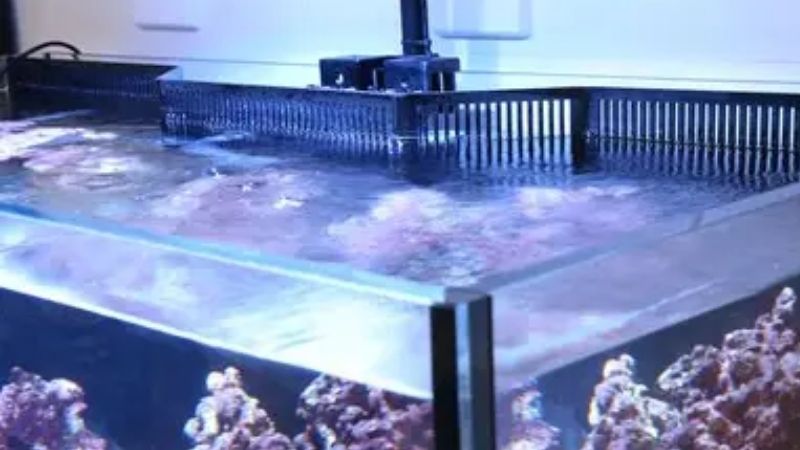
Upfront Price Within a Defined Sample
Start by fixing a working budget ceiling; this brief uses a current selling price of roughly $140 or under as its sample, which is an example rather than a permanent industry definition. Against that line the Xaqua INOUT sits about $40 below and the Fiji sale about $20 below.
The Eshopps PF-300 lands about $20 under the ceiling and the PF-800 about $10 under, so all four qualify as budget by this sample. Treat the ceiling as a snapshot, since prices move, and use it to frame the comparison rather than as a hard rule about what budget means.
Hidden Installation Cost
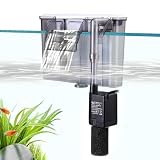
The hidden cost is drilling. The Xaqua and Fiji are drilled designs that need a hole, bulkheads and plumbing, so their low stickers grow once installation is added, while the Eshopps PF-300 hangs on the back and skips drilling entirely, keeping its complete setup cost close to its price.
That is why lowest sticker and lowest complete setup cost can differ. The Xaqua is cheapest to buy but adds a drilling job, so a no-drill box at a slightly higher price can be the genuine budget winner once the full, real cost of getting it running is counted properly.
Return-Flow Capacity
Capacity should still match your pump, and here the budget field spans a wide range. The PF-300 passes 300 GPH, the Fiji 400, the Xaqua up to 660, and the PF-800 up to 800, so even the cheapest options clear a modest return with room to spare on most tanks.
More capacity is not automatically more value. The PF-800 costs only about $10 more than the PF-300 while its maximum flow is 800 against 300 GPH, but that does not make it 167% better; the extra ceiling only helps if your pump and tank actually use it in practice.
Maintenance Burden
The recurring cost is upkeep, which varies by architecture. The hang-on PF-300 and PF-800 rely on a U-tube siphon that must stay primed, adding routine maintenance, while the drilled Fiji and Xaqua run on gravity once set, trading the one-time drilling for less ongoing attention over time.
Fold that into the budget honestly. A cheaper hang-on saves on installation but asks for weekly attention, while a drilled box costs more effort up front and less thereafter, so the true budget pick balances the cash outlay against the maintenance you are actually willing to do.
Top Picks
These four overflows are ranked as budget picks by complete cash outlay within a sensible sample, not the lowest sticker alone. Each lists verified specs, a relative price tier, and the drawback that matters most when hidden drilling or upkeep can quietly inflate a cheap-looking box.
| Product | Best For | Key Spec | Watch Out For |
|---|---|---|---|
| Eshopps PF-300 | Best overall | 300 GPH HOB U-tube; no drilling; up to 75 gal | Siphon/U-tube upkeep |
| Xaqua INOUT | Best for lowest sticker | Up to 660 GPH; ~under $100 | Drilling adds hidden cost |
| Fiji Cube EOF-4 | Best for an included holesaw | 400 GPH drilled; template + holesaw | Sale price varies; drilling |
| Eshopps PF-800 | Best for extra headroom | 800 GPH HOB U-tube; 75–125 gal | Max flow is not forced flow |
Eshopps PF-300
The Eshopps PF-300 is the budget overall pick because its complete setup cost stays close to its price: a 300-GPH hang-on U-tube that needs no drilling, so there is no hole, bulkhead or plumbing bill to add after checkout. That keeps the real outlay genuinely low for a beginner.
Around $125 retail or under $150 from the maker as of 09/2026, it sits about $20 under the sample ceiling. Its trade-off is siphon and U-tube maintenance, so you pay in a little ongoing effort rather than an upfront drilling job, which is often the better budget bargain overall.
Xaqua INOUT
The Xaqua INOUT is the lowest-sticker option, a combined overflow and directional return rated up to 660 GPH at about $100 to under $100 as of 09/2026. On the shelf it is clearly the cheapest, roughly $41 under the sample ceiling, which is a real draw for a tight budget.
But its low sticker hides a drilling job, since it requires a hole and works differently from a dedicated multi-drain overflow. Once you add the drilling and plumbing, its complete setup cost climbs, which is exactly why the cheapest box to buy is not always the cheapest to run.
Fiji Cube EOF-4
The Fiji Cube EOF-4 softens the drilling cost by including it, shipping an install template and a diamond holesaw with a 400-GPH low-profile design. For a budget buyer willing to drill, bundling the holesaw means one fewer separate purchase to finish the installation properly.
At about $125 on sale or under $150 regular as of 09/2026, the sale price is time-sensitive and drilling is still required. The included hardware offsets some hidden cost, but confirm the sale is live, since at regular price its budget advantage over the drilled alternatives narrows.
Eshopps PF-800
The Eshopps PF-800 is the extra-headroom budget pick, an 800-GPH hang-on U-tube with guidance for 75 to 125 gallon tanks at about $125 as of 09/2026. For only around $10 more than the PF-300, it offers far more rated ceiling while still avoiding any drilling at all.
That small price gap is tempting, but its 800-GPH maximum is not forced sump flow, so the extra capacity only helps if your pump and tank need it. Do not read the flow jump as proportional value; buy the PF-800 for genuine headroom, not because the number happens to be bigger.
Frequently Asked Questions
Budget buyers ask a consistent set of questions about an overflow before spending as little as possible. Each answer opens with the practical call, then the condition that changes it, so you can total the real cost rather than being drawn in by the lowest sticker on display.
What spec should decide this purchase?
Upfront price within a sensible sample should frame it, but complete setup cost should decide it. A cheap sticker that adds a drilling job may cost more installed than a slightly dearer no-drill box, so total the whole outlay before calling any single option the budget winner here.
After cost, weigh capacity and maintenance burden against your tank. The budget pick is the lowest complete outlay that still clears your flow and fits your willingness to maintain it, not simply the smallest number printed on the box at the store on a given day.
Which numbers are hard facts and which are heuristics?
The prices and GPH ratings are hard facts, and the distances below the ceiling — Xaqua about $40 under, PF-300 about $20 under — are arithmetic on them. The roughly $140 ceiling itself, though, is this brief’s working sample, not a permanent definition of budget.
So use the price facts precisely and treat the ceiling as an example that shifts with the market. And never convert a flow gap into a value ratio: the PF-800’s 800 versus 300 GPH does not make it 167% better, since capacity you do not use adds nothing to the tank.
Is the highest headline number always better?
No, and neither is the lowest sticker. The Xaqua is cheapest to buy but adds drilling, and the PF-800 has the most flow but only helps if you use it, while figures measured under different conditions do not compare cleanly across these architectures anyway in practice.
The best budget pick is the lowest complete cost that clears your flow with acceptable upkeep. Let total outlay, real capacity and maintenance decide, and treat both the cheapest sticker and the biggest GPH number as inputs rather than the answer to which box wins.
When might the reader not need this?
If your tank has no sump — an all-in-one or canister setup — even the cheapest overflow is money spent on a problem you do not have. A box exists only to feed a sump, so confirm that sump-and-return plan first before hunting for the lowest price on any single overflow unit.
And if a smaller, cheaper class already covers your flow, buying up for capacity you will not use is poor budgeting. Match the outlay to a real sump-and-return plan, since the true budget win is the least you can spend to get the setup your tank genuinely needs.
Final Thoughts
On a budget, the best budget aquarium overflow box is the one with the lowest complete cost, not the lowest sticker: total the price, the hidden drilling, the capacity you need and the upkeep you will do. A slightly dearer no-drill box often beats a cheaper one that adds a drilling bill after checkout.
Best Complete Freshwater Aquarium System 120cm: Top Compared

5 Best Aquarium Filters for Turtles & Axolotls in 2026