Last Updated: October 21, 2026
Keeping tank temperature stable is one of the simplest ways to prevent stress, disease, and outright losses in a freshwater or saltwater aquarium. Most fish, invertebrates, and amphibians tolerate only a narrow band of temperature swing, often just 2-3°F, so a thermometer that reads accurately and quickly is worth more than its low price tag suggests.
In 2026, the aquarium thermometer market splits into three basic types: floating analog gauges, stick-on LCD units, and digital probe thermometers with a separate display. Below we break down six well-regarded options, how to pick the right style for your setup, and answers to the questions we hear most from hobbyists.

Penn-Plax Therma-Temp Floating Aquarium Thermometer - Multicolor, 4.25 in | Easy to Read - Temperature Gauge with Optional Suction Cup & Removable Mount - Safe for Freshwater & Saltwater Tanks
Included for 'Aquarium Thermometer Types: Digital vs. Analog - Which to Buy?' as a representative aquarium product in this roundup; selection reflects the product set returned for this topic.
View on Amazon
PAIZOO Aquarium Thermometer Digital, Highly Accurate Fish Tank Thermometer
Included for 'Aquarium Thermometer Types: Digital vs. Analog - Which to Buy?' as a representative aquarium product in this roundup; selection reflects the product set returned for this topic.
View on Amazon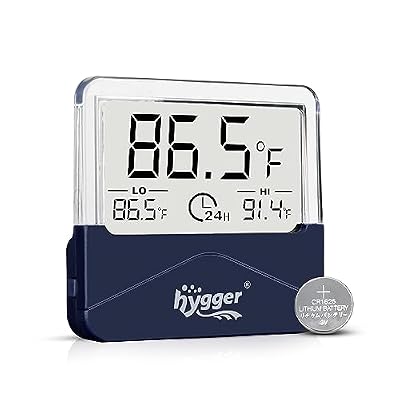
hygger Digital Aquarium Thermometer Records Max Min Temperature Sensor Gauge with LCD Display Stickable Fish Tank Thermometer for Saltwater, Freshwater, Fish, Amphibians, Reptiles
Included for 'Aquarium Thermometer Types: Digital vs. Analog - Which to Buy?' as a representative aquarium product in this roundup; selection reflects the product set returned for this topic.
View on Amazon
DaToo Aquarium Thermometer with Large LCD Display Fahrenheit/Celsius(℉/℃) Fish Tank Thermometer for Aquarium Reptile Terrarium Digital Water Thermometer with Suction Cup
Included for 'Aquarium Thermometer Types: Digital vs. Analog - Which to Buy?' as a representative aquarium product in this roundup; selection reflects the product set returned for this topic.
View on Amazon
Marina Deluxe Floating Thermometer with Suction Cup
Included for 'Aquarium Thermometer Types: Digital vs. Analog - Which to Buy?' as a representative aquarium product in this roundup; selection reflects the product set returned for this topic.
View on Amazon
LCR Hallcrest LLC 43330972: Liquid Crystal Aquarium Thermometer Vertical
Included for 'Aquarium Thermometer Types: Digital vs. Analog - Which to Buy?' as a representative aquarium product in this roundup; selection reflects the product set returned for this topic.
View on Amazon
AQUANEAT Aquarium Thermometer, Fish Tank Thermometer, Digital Temperature Test, with Large LCD Display (1 Pack)
Included for 'Aquarium Thermometer Types: Digital vs. Analog - Which to Buy?' as a representative aquarium product in this roundup; selection reflects the product set returned for this topic.
View on AmazonWatch: Aquarium Thermometer Types: Digital vs. Analog – Which to Buy? — Video Review
How to Choose
- Placement style: Floating and suction-cup thermometers sit inside the tank and read water temperature directly, while stick-on LCD strips read through the glass and can lag a degree or two behind actual water temp.
- Accuracy range: Look for a stated accuracy of ±1°F or better; cheap strips can drift ±2-3°F, which matters for sensitive species like axolotls or reef inverts.
- Display type: Digital LCD or LED displays are easier to read at a glance than mercury-style analog floats, especially in low-tank-lighting setups.
- Mounting hardware: Suction cups and magnet mounts hold better in circulating water than adhesive-only strips, which can peel off over time in humid or splashed environments.
- Battery life and upkeep: Digital units need battery changes eventually; models rated for several thousand hours of use cut down on maintenance interruptions.
The Best Picks Reviewed
Penn-Plax Therma-Temp Floating Thermometer
This 4.25-inch floating gauge is a classic for good reason. It works in both freshwater and saltwater tanks, and the included suction cup and removable mount let you anchor it in place instead of letting it drift and bump against the glass. The large, easy-to-read markings make it a solid grab-and-go option for anyone who wants a no-fuss analog readout without hunting for batteries.
PAIZOO Digital Aquarium Thermometer
The PAIZOO stands out for its LED display and a rated 8,000-hour battery life, which is a meaningful upgrade over thermometers that need frequent battery swaps. Its 0-140°F range covers everything from cold-water setups to reptile and amphibian tanks, and the stick-on sensor design makes it a good fit for betta bowls, axolotl tubs, and turtle habitats where a floating unit would just get in the way.
Aquatop Smart-Temp with Magnet Mount
Aquatop’s Smart-Temp uses a magnet mount rather than adhesive or suction, which means it stays put even in tanks with strong flow and is easy to reposition without leaving residue on the glass. It’s built for both freshwater and saltwater habitats, and the straightforward analog face is genuinely easy to read at a glance, no squinting required.
hygger Digital Thermometer with Max/Min Memory
What sets the hygger apart is its max/min temperature recording, which is genuinely useful for catching overnight heater failures or daytime overheating you’d otherwise miss. The LCD display is clear, the stick-on sensor is simple to place, and it’s rated for use across saltwater, freshwater, amphibian, and reptile setups, making it a flexible pick for mixed collections.
DaToo Thermometer with Large LCD Display
The DaToo’s oversized LCD is its main selling point, readable from across the room, with a simple toggle between Fahrenheit and Celsius. The suction cup mount keeps the probe submerged and stable, and it works equally well in aquariums and reptile terrariums, making it a practical choice for hobbyists who keep more than one type of enclosure.
Frequently Asked Questions
Are stick-on thermometers as accurate as submerged ones?
Stick-on LCD strips read the glass temperature rather than the water directly, so they can lag slightly behind, often by 1-2°F, especially right after a heater cycles on or off. For most community tanks this is a minor tradeoff, but for temperature-sensitive species, a submerged digital sensor or floating gauge gives a truer reading.
Where should I place my aquarium thermometer?
Mount it away from direct heater contact and away from filter outflow, ideally at mid-water depth on the opposite side of the tank from the heater. This avoids skewed readings caused by localized hot or cold spots.
Do I need more than one thermometer per tank?
For tanks over 40 gallons or any setup housing temperature-sensitive species, two thermometers at opposite ends of the tank help you catch uneven heat distribution or a failing heater before it becomes a crisis.
How often should I replace or recalibrate my thermometer?
Check analog floats against a known-accurate digital thermometer every few months, since dye-based floats can drift with age. Digital units rarely need recalibration but should be replaced once battery life starts running short, as low voltage can throw off readings.
Final Thoughts
For most tanks, the hygger digital thermometer earns its place thanks to max/min tracking that catches temperature swings you’d otherwise miss overnight. If you want a reliable, no-frills analog option, the Penn-Plax Therma-Temp floating thermometer remains a dependable classic. And for anyone juggling multiple habitat types, the PAIZOO’s long battery life and wide temperature range make it a versatile pick worth the investment.
6 Best Top Fin Fish Tank Heaters 2026
10 Best Betta Fish Heaters: Keep Your Betta Warm in 2026