Last Updated: October 21, 2026
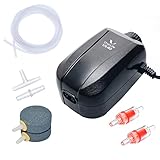
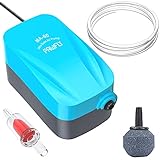
- Top Pick: Uniclife 64 GPH Aquarium Air Pump with Dual Outlets Adjustable Quiet Fish Tank Air Pump with Air Stone Airline Tubing Check Valve and Connector Accessories for 10-100 Gallon Fish Tank
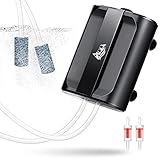
- Best Value: AQQA Aquarium Air Pump,3.5W 5W Dual Outlet Oxygen Pump
- Premium Choice: DaToo Aquarium Air Stone 1 Inch 12 Pack Fish Tank Aerator Bubble Diffuser Silicon Carbide Fish Tank Airstone for Air Pump Aquariums Ponds Hydroponic Systems
Water movement and oxygenation are two of the most misunderstood jobs in the aquarium hobby, and the air stone vs. powerhead debate comes up in almost every stocking conversation. Both push water and gas exchange, but they solve different problems: an air stone breaks air into fine bubbles that rise and agitate the surface, while a powerhead physically drives current through the tank for filtration, detritus control, and flow-loving fish like rainbowfish or river cichlids.
Below we break down the gear worth buying in 2026, from budget-friendly air pumps to the stones and diffusers that pair with them, so you can match the right tool to your tank size and livestock instead of guessing.
As an Amazon Associate we earn from qualifying purchases at no extra cost to you.



⚡ Save on Your Next PC — Amazon Prime
Prime members get fast free shipping on the systems above, plus early access to Prime Day & Black Friday PC deals. New members get a 30-day free trial.
Watch: Aquarium Air Stone vs. Powerhead: Which is Better for Flow? — Video Review
How to Choose
- Tank Volume: Match GPH (gallons per hour) or wattage to your tank size; a 64 GPH pump comfortably handles 10-100 gallons, while nano tanks under 10 gallons need something gentler.
- Noise Level: Diaphragm pumps under 5W typically run quieter than older piston designs; check for rubber isolation feet if the tank sits in a bedroom or living room.
- Outlet Count: Dual-outlet pumps let you split air to two stones or run a stone and a sponge filter simultaneously, which matters for multi-tank setups.
- Stone Material: Silicon carbide stones produce finer, longer-lasting bubbles than basic wood or mineral stones and resist clogging better over months of use.
- Purpose (Oxygen vs. Flow): If your goal is surface agitation and gas exchange, air stones win; if you need directional current for filtration or flow-dependent species, a powerhead is the better tool.
The Best Picks Reviewed
Uniclife 64 GPH Aquarium Air Pump with Dual Outlets
This is the workhorse pick for anyone running a single medium-to-large tank or two smaller ones off one pump. The 64 GPH output and dual adjustable outlets give you enough headroom for a 55-gallon community tank plus a smaller quarantine tank on the side, and the included air stone, tubing, check valves, and connectors mean you’re not shopping for accessories separately. The adjustable flow dial is a nice touch for dialing back noise at night.
AQQA 3.5W/5W Dual Outlet Oxygen Pump
AQQA’s dual-outlet design splits output evenly, which makes it a solid choice if you’re feeding two sponge filters or a stone plus a bubble wall. The 3.5W and 5W variants cover most freshwater setups from 20 to 75 gallons, and the diaphragm design keeps operating noise low enough for a living room tank.
DaToo 1-Inch Air Stone 12-Pack
Silicon carbide construction means finer bubbles and better longevity than the cheap wood stones bundled with most starter kits. Twelve stones at this size is overkill for one tank, but ideal for a fish room running several nano to mid-size setups, breeding tanks, or hydroponic reservoirs where you want a spare on hand when one clogs.
Pawfly 4-Inch Air Stone Disc, 2-Pack
The disc shape produces a wide, even curtain of bubbles rather than a single column, which makes it better suited to larger footprints like 40-gallon breeders, grow buckets, or DWC hydroponic reservoirs. Two discs give you enough coverage for a bigger tank or backup capacity for a second system.
AQQA 3W Powerful Dual Outlet Adjustable Oxygen Aerator
A slightly more compact alternative to the 5W AQQA model, this 3W pump still runs dual outlets with independent flow control, making it a good fit for 10 to 40-gallon tanks where you don’t need maximum output but still want the flexibility of two lines.
Frequently Asked Questions
Do I need an air stone if I already run a filter?
Most hang-on-back and canister filters already agitate the surface enough for adequate oxygen exchange in lightly stocked tanks. Air stones become more important in heavily stocked, warm, or densely planted tanks where oxygen demand is higher, especially overnight when plants stop producing oxygen.
Can an air stone replace a powerhead?
No. An air stone’s bubbles create localized vertical movement near the stone itself, not the broad directional current a powerhead generates. If you’re trying to eliminate dead spots, feed a canister filter’s flow, or keep a river-biotope tank moving, a powerhead is the correct tool.
How often should I replace an air stone?
Silicon carbide stones like the DaToo or Pawfly models typically last 6-12 months before mineral buildup reduces bubble quality noticeably. A quick 10-minute boil-and-scrub every couple of months extends that lifespan considerably.
Will a stronger air pump make my tank louder?
Not necessarily. Diaphragm pumps in the 3-5W range, like the AQQA units above, are engineered for quiet operation regardless of output, while adjustable outlets let you throttle flow down without switching to a weaker pump.
Final Thoughts
For most single-tank setups, the Uniclife 64 GPH pump is the easiest all-in-one buy since it comes with everything needed to start. If you’re running multiple tanks off one unit, the AQQA 5W dual-outlet pump gives you the extra capacity to split reliably. And for anyone who just needs fresh stones without buying a new pump, the DaToo 12-pack is the most economical way to keep spares on hand.
Best 150 Gallon Acrylic Aquarium: Top Compared Expert Guide
11 Best Aquarium Canister Filters: Top Picks & Reviews