Last Updated: September 27, 2026

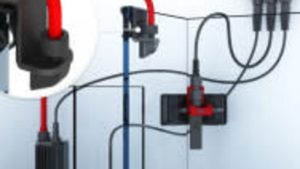
Neptune Systems A3 Apex Jr. Aquarium Controller - Temperature, pH, Leak Detection & Level Sensor Monitoring System for Freshwater and Saltwater Aquariums
Included for 'How to Choose an Aquarium Controller: Best Expert Shortlist' because the listing specifies Temperature, details this guide uses to compare options.
View on Amazon
AvidAqua Insight Standard Aquarium Controller Display
Included for 'How to Choose an Aquarium Controller: Best Expert Shortlist' as a relevant option in this category; details come from the product listing.
View on AmazonStart by writing down what must be measured and what must be switched. Working out how to choose an aquarium controller means moving through workload, then ports, then power and network, then twelve-month ecosystem cost. Brand comes last, once the requirement list is fixed.
As an Amazon Associate we earn from qualifying purchases.
By David Nguyen
Quick answer: For most people in 2026, the best how to choose an aquarium controller is the Breaker or bar trips — our #1 rated choice. See the full ranked comparison, alternatives and buying advice below.
What an Aquarium Controller Has to Do on Your Tank
Requirements come from equipment and risk, not from tank volume. Measure four things before shopping: the parameters you need logged, the devices you want switched, the electrical and network constraints of your cabinet, and the accessories the system will collect over the next year.
List the Measurements You Actually Need
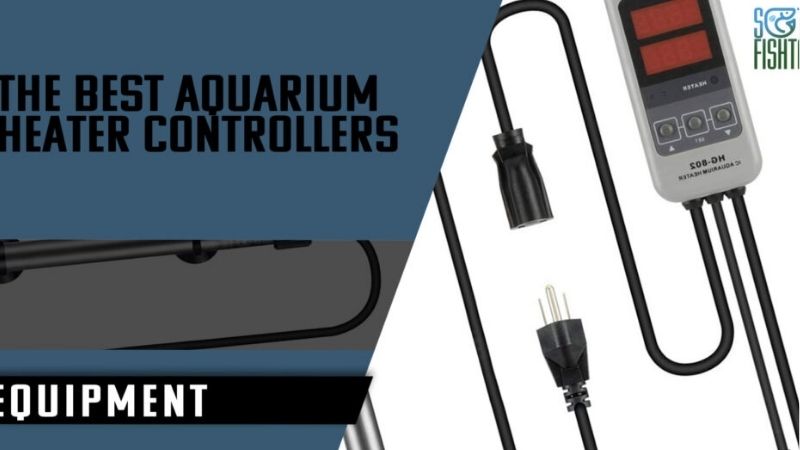
Write the parameters in order of consequence. HYDROS Start is built around temperature with four AC outlets, while HYDROS Launch publishes pH and temperature together, and GHL’s Mini WiFi covers pH and temperature with a lighting architecture of 24 channels for controlled fixtures.
Two parameters cover most tanks, and the third is usually driven by a specific risk such as flooding or automated dosing. Check the list against what you already test by hand each week, since a parameter you never measure manually rarely becomes urgent once a controller finally arrives.
Count the Loads You Want Switched
Count plugs, not devices. Heaters, return pumps, skimmers and lights each need a switched outlet, which is why the four AC outlets on Start and Launch suit modest systems while Neptune’s A3 pairing with the EB832 brings eight AC outlets for equipment-heavy reef builds running sumps and reactors.
Wireless equipment changes the arithmetic, because network-connected pumps and lights are controlled without occupying a socket. Sort your list into corded and wireless columns first, then match each column against published outlet counts and device support instead of one combined total.
Check the Electrical and Network Constraints
HYDROS publishes 8A per outlet with a 14A ceiling for the Launch unit, and that total governs the whole plan rather than any single socket. Add the running current of each corded device, then leave margin for the startup surge that pumps and compressors draw briefly whenever they switch on.
Network path matters equally in a closed cabinet. Neptune’s A3 Apex offers WiFi and Ethernet, and a wired run removes interference and band-steering problems, while wireless-only setups should confirm the required band before purchase rather than during a frustrating first evening.
Why Tank Gallons Do Not Decide This
Volume tells you almost nothing about controller fit. A 40 gallon reef with dosing, top-off and leak sensors needs more inputs and outlets than a 125 gallon freshwater tank running one heater and one filter, even though the larger tank sounds like the bigger job on any specification sheet.
Use gallons only where they affect equipment sizing, such as heater wattage feeding into your amp total. Everything else follows from the device list, which is why two tanks of identical volume regularly end up with different controllers for entirely sensible and predictable reasons.
Choose an Aquarium Controller Step by Step
Four steps in a fixed order, each producing a number you carry into the next. Work through them with a notepad before opening any product page, because reversing the sequence leads to retrofitting your requirements onto expensive hardware that was chosen for its brand reputation alone.
| Symptom | Sign Alongside | Likely Cause | First Action |
|---|---|---|---|
| Breaker or bar trips | Cooling gear added recently | Load near the unit total | Recount running amps |
| Parameter never logged | Manual tests still weekly | Missing input on the head | Check published inputs |
| App drops out | Controller inside a cabinet | Band or signal problem | Test a wired path |
| Budget overrun | Extra part numbers ordered | Head priced, not system | Rebuild the parts list |
Step One, Fix the Workload Before the Brand
Write two columns: parameters to monitor and devices to switch. A typical reef list reaches two parameters and four to six switched loads inside the first year, and that single sheet of paper eliminates most of the market before you compare a single price or open one review page.
Keep the list realistic about the next twelve months rather than the next five years. Planning for dosing you may never install inflates the requirement, while ignoring a planned top-off system guarantees a second purchase, so anchor the list to equipment you can actually name today.
Step Two, Match Ports and Outputs to That List
Now compare published counts. Four switched outlets cover a heater, pump, light and one spare on Start or Launch, while eight outlets through the EB832 suit systems with skimmers, reactors and multiple pumps, and GHL’s 24 lighting channels serve larger controlled lighting arrays.
Check inputs with the same discipline, since a pH reading requires a pH input and a compatible electrode rather than a software setting. Where a needed input is missing, the honest options are a different head unit or an expansion module, priced now rather than quietly assumed later.
Step Three, Verify Power and Network Paths
Total the running current of everything corded and compare it against the unit ceiling, which is 14A on Launch with 8A available at any single outlet. Leave visible headroom, then confirm that a GFCI outlet and a UL or ETL listed unit are part of the installation plan from the beginning.
Test the network route before committing, particularly in a closed stand. Ethernet on the A3 Apex removes wireless variables entirely, and where only WiFi exists, confirming the required band and signal strength at the cabinet takes ten minutes with a phone and prevents weeks of instability.
Step Four, Price Twelve Months of the Ecosystem
Add probes, calibration fluid, spare sensors and any expansion module to the hardware price, then compare candidates on that figure. A head at 209.90 USD and a complete set at 409.90 USD describe different starting points, and the twelve-month totals often land closer than the stickers suggest.
Include the replacement cadence published for consumable parts, since electrodes age on a schedule regardless of use. That number also reveals which ecosystems accept standard connectors, which usually keeps ongoing spending flatter than platforms built entirely around proprietary part numbers.
Frequently Asked Questions
Four questions come up during this process: whether volume should guide the decision, how many outlets to buy, whether a single controller can run two separate tanks, and when a plain thermostat is the better answer instead. Direct answers below, with the exceptions that change them.
Should Tank Size Decide Which Controller You Buy?
Only indirectly. Volume influences heater wattage and pump sizing, which feed your amp total, but the controller itself is chosen from the parameters you monitor and the loads you switch, so a heavily automated nano can require more capability than a simple large freshwater tank.
The exception is very large systems where sump equipment multiplies quickly. There the device list grows with volume, and eight outlets through an EB832 becomes a practical baseline rather than an upgrade, simply because the equipment count rises alongside the water volume itself.
How Many Switched Outlets Should You Buy?
Count current corded devices, add one or two for the coming year, and compare that against published counts rather than buying the largest available. Four outlets suit a heater, pump, light and spare, while equipment-heavy reefs commonly justify the eight on an EB832 from the start.
Remember the amp ceiling caps the sockets. A unit rated 14A overall cannot usefully run four heavy loads even though it has four outlets, so the honest capacity is whichever limit you reach first, and on most builds that is the unit total rather than the individual socket rating.
Can One Controller Manage Two Separate Tanks?
Sometimes, if both tanks sit near each other and within cable reach of the probes and outlets. The constraints are physical rather than logical: probe cable length, outlet placement and the shared amp ceiling decide it long before the software itself becomes any kind of limitation.
Separating them is usually wiser for quarantine, where cross-contamination through shared equipment is the risk you are trying to avoid. An inexpensive standalone thermostat on the quarantine tank keeps the two systems independent for a fraction of the cost of a second full controller.
When Is a Plain Thermostat the Better Choice?
When one parameter and one outlet genuinely cover the job, such as a quarantine tank, a grow-out bin or a freshwater community system with a single heater. Paying for inputs and channels you will not configure buys configuration complexity rather than protection in those particular cases.
The line moves once a second automated device appears. At two or three switched loads, the wiring, timers and adapters needed to coordinate separate devices start costing more in money and attention than a modest controller that handles the whole group under a single coordinated schedule.
Final Thoughts
Requirements first, hardware second, and the decision stops being difficult. How to choose an aquarium controller comes down to four numbers: parameters monitored, corded loads switched, amps available at the unit, and the twelve-month cost of the ecosystem you are committing to for years.
Ready to decide? Our #1 pick for 2026 is the Breaker or bar trips.
Live price & availability on Amazon.
Related Reviews & Guides

Best Budget Aquarium Controller: Top Expert Buying Guide
How Often to Clean Aquarium Filter: Full Schedule by Type