Last Updated: November 5, 2026
- Footprint first when the sump is tight
- Compact picks by chamber and need
- Side by side, and when small is the wrong call
- Upkeep, wear, and the yearly cost
- Break-In: The First Two Weeks
- Troubleshooting a Compact Skimmer
- Worked Example: Counting Your Real Water Volume
- Mistakes That Waste a Good Compact Skimmer
- Small-sump questions, answered
- Choosing a space-saving skimmer
Best space saver protein skimmer for small sump comes down to footprint first: a compact body that fits a tight chamber while still skimming your real water volume. This guide sorts the options by need group and price tier, gives the numbers that decide fit, and flags the honest trade-offs of going small.
As an Amazon Associate we earn from qualifying purchases.
As an Amazon Associate we earn from qualifying purchases at no extra cost to you. Prices and availability are accurate as of the date shown and are subject to change.

Reef Octopus OCTO Regal 150 SSS Space Saver Protein Skimmer
Included for 'Best Space Saver Protein Skimmer for Small Sump Reviews' as a representative gaming product in this roundup; selection reflects the product set returned for this topic.
View on Amazon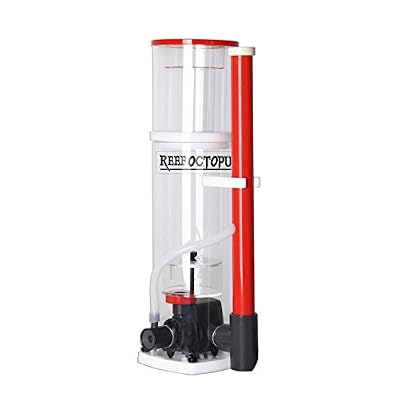
Reef Octopus Classic 110 Space Saver Protein Skimmer CLSC-110SS
Included for 'Best Space Saver Protein Skimmer for Small Sump Reviews' as a representative gaming product in this roundup; selection reflects the product set returned for this topic.
View on AmazonBy David Nguyen
Footprint first when the sump is tight
The best space saver protein skimmer for small sump is the one whose footprint and height fit your chamber while covering your real water volume. Measure and set the numbers before comparing models.
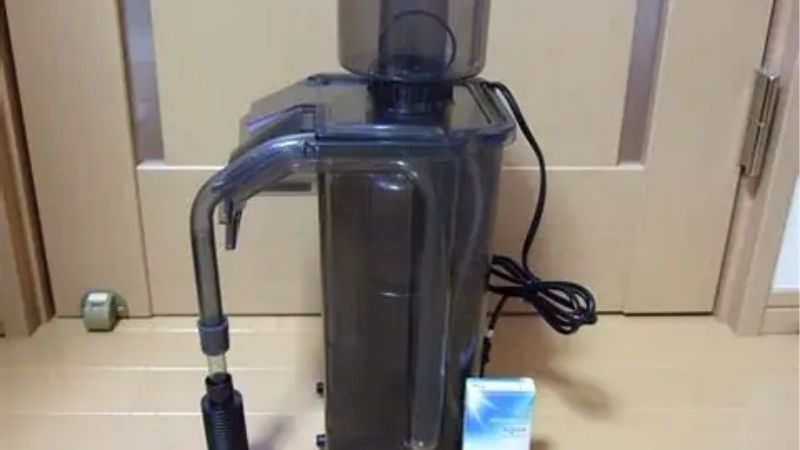
The decision number: footprint and depth
Start with the skimmer footprint in inches and centimeters against your chamber, and the water depth it needs, often 6 to 8 inches (15 to 20 cm) for compact bodies. Only then check the rating covers your real water volume, total system water minus rock, sand, and freeboard.
A compact skimmer that is rated right but too wide or too tall for the chamber is still the wrong buy. Footprint and height come first here, with air draw in liters per hour confirming it can still keep up on your bioload.
Criteria beyond the footprint
Slim cones and compact DC bodies save space differently, and a DC pump lets you tune a small system precisely. Weigh whether an in-sump body or a hang-on alternative frees more room, and consider pump noise in a tight cabinet.
Tank size, placement, and fit
A small sump often has a shallow chamber and low cabinet clearance, so both the footprint and the height above the cup matter. Measure the chamber length, width, working depth, and the clearance above the cup before ordering, because a body that will not seat level never skims properly.
Compact picks by chamber and need
The best space saver protein skimmer for small sump depends on how tight the chamber is and how much you stock, so here are picks by need. Confirm current dimensions and ratings at purchase.
For a nano all-in-one chamber
The slimmest compact body fits a nano back chamber and skims a real 15 to 30 gallons (57 to 114 L). It fits all-in-one nanos. Drawback: squeezed into a shallow chamber, the pump can sit near the surface and blow microbubbles until tuned.
For a compact mixed-reef sump
A small cone rated for a real 30 to 55 gallons (114 to 208 L) balances footprint and export for a modest mixed reef. It fits tight but usable sumps. Drawback: small footprint bodies clog faster and need more frequent cup and pump cleaning.
For low-clearance cabinets
A short-body skimmer suits cabinets where height is the constraint, not width. It fits low stands. Drawback: shorter bodies often trade some air-water contact for height, so they may skim a touch wetter and need careful tuning.
For a tight budget
A basic compact AC skimmer saves space without premium cost. It fits budget nano and small reefs. Drawback: fixed AC tuning means water-level adjustment only, so break-in overflow in a small chamber takes patience.
Side by side, and when small is the wrong call
Choosing the best space saver protein skimmer for small sump also means knowing when compact is a compromise too far.
Compact DC versus a slim AC cone
A compact DC body gives tuning that helps in a small, sensitive system; a slim AC cone is cheaper and simpler. If you will fine-tune a nano, go DC; if not, a slim AC cone saves the same space for less.
When you should not go compact
If your sump actually has room, a full-size body skims more comfortably and clogs slower than a compact one pushed near its limit. Do not choose a space saver to save space you are not short on, since it just adds maintenance.
A cheaper or simpler route
On a very small, lightly stocked reef, a hang-on skimmer or disciplined water changes can free the sump entirely. Sometimes the best way to save sump space is to skim outside it or change water more often.
Weigh the yearly reality as well: a compact body in a tight sump needs more frequent cleaning than a roomy full-size cone, so the space you save is partly paid back in maintenance time. If the sump can take a larger body, it is usually the easier long-term choice.
Upkeep, wear, and the yearly cost
The best space saver protein skimmer for small sump runs 24/7 in a tight spot, so plan for closer upkeep and cost.
Where a compact body wears
Small needle wheels and venturis collect film and calcium quickly, so air draw drops sooner on a compact body. O-rings harden, and a DC controller is an extra part that can fail. The tight chamber also makes servicing more fiddly.
Consumables and generic parts
Recurring cost is usually an occasional impeller and o-rings, with no proprietary media. Confirm small pump spares are sold separately so upkeep stays cheap. Warm months raise organics, so a compact cup fills faster and needs emptying more often.
Warranty, safety, and buying season
Check the warranty on the pump and body, and run any pump on a GFCI outlet with a drip loop. Compact reef gear is discounted around Prime Day in late June and over Black Friday and Cyber Monday in late November; a sale is fine, but a new reef still needs 3 to 8 weeks to cycle before livestock. Prices and specs shift, so verify dimensions at purchase.
Break-In: The First Two Weeks
A new skimmer rarely behaves on day one. Manufacturing oils and unwetted plastic cause erratic foam, and guides put the settling period at roughly one to four weeks, depending on the source and how mature the tank is. Following a fixed routine keeps small bodies from being blamed for a normal start-up.
- Rinse the body, neck and collection cup in RO/DI water before installing, which retailers commonly advise to remove residue from manufacturing.
- Check the manufacturer’s recommended operating water depth, then set the sump level to match. A fluctuating level changes internal pressure, so an auto top-off makes output steadier.
- Start with the internal water level (the gate or outlet valve) set low, which gives a drier, more stable foam column.
- Run the air valve at a modest setting and wait several hours between adjustments instead of changing everything at once.
- Raise the internal level gradually once the foam stops overflowing, for a wetter skim that empties the cup less often.
Troubleshooting a Compact Skimmer
| Symptom | Likely cause | What to try |
|---|---|---|
| Cup fills with water and overflows | Too much air for the waste load, or a sump level above the design depth | Lower the internal level, reduce air, and confirm sump depth |
| Fine bubbles drift into the display | New plastic or unsettled unit | Give it time, then trim air and water level in small steps |
| Almost no skimmate | Very clean tank or foam held too low | Raise the internal level slightly after break-in |
| Output changes through the day | Evaporation lowers the sump level | Add an auto top-off to hold the level |
Worked Example: Counting Your Real Water Volume
Skimmer ratings are written for total system volume, so counting it honestly keeps a compact unit from being over- or under-chosen. The figures below are assumptions for illustration.
- Display tank, nominal size: 40 gallons.
- Subtract displacement from rock and sand, assumed at 15 percent: about 34 gallons of water.
- Add the sump’s working volume at its running level, assumed at 8 gallons.
- Total system volume is about 42 gallons.
A skimmer rated for that volume is the minimum. Because ratings are often framed around moderately stocked systems, a heavily fed tank argues for a unit rated above the actual figure, as long as the footprint and depth still fit. When a larger body will not clear the cabinet, a compact skimmer plus regular water changes is a sound compromise, and the cup will simply need emptying more often.
Mistakes That Waste a Good Compact Skimmer
- Judging performance in the first few days. Break-in behavior is not a permanent verdict.
- Adjusting several controls at once. Change one setting, then wait.
- Ignoring cup access. Leave room above the unit to lift and empty the cup without disturbing the pump.
- Skipping regular cleaning. Residue in the neck and pump reduces foam quality over time.
Small-sump questions, answered
These come up most about the best space saver protein skimmer for small sump.
How do I know it will fit?
Measure the chamber length, width, working depth, and the clearance above the cup, then compare against the skimmer’s footprint and height. A compact body rated correctly still fails if it cannot seat level, so fit comes before rating on a small sump.
Is a compact skimmer weaker?
Not if sized to your real water volume, but it has less margin and clogs faster than a full-size body. Compare honest air draw, not just the tank rating, and lean to the higher end of the range for a fed tank.
In-sump or hang-on for a tight sump?
If the sump is very tight, a hang-on skimmer can free the chamber entirely, at the cost of a visible body on the display. An in-sump space saver keeps things hidden but demands careful footprint and depth measurement first.
Will microbubbles be a problem?
They can be if the pump sits too near the surface in a shallow chamber. Give the body its rated water depth and let it break in for one to three weeks; persistent microbubbles usually mean the water level or placement needs adjusting. Dialed in, the best space saver protein skimmer for small sump runs clean in a tight chamber.
Choosing a space-saving skimmer
The best space saver protein skimmer for small sump is the compact body that fits your chamber’s footprint and height while still covering your real water volume. For a tight mixed-reef sump a small cone with bioload margin is the sensible default, while a basic compact AC unit is the budget pick. Measure your chamber and cup clearance before ordering, and remember a full-size body is better if you actually have room; confirm current dimensions at purchase since designs and prices change.
| Option | Key number | Suitable tank | Recurring cost | Who it is for |
|---|---|---|---|---|
| Slim compact body | Rated ~15 to 30 gal (57 to 114 L) | Nano AIO chamber | Impeller, o-rings | Very tight back chambers |
| Small cone | Rated ~30 to 55 gal (114 to 208 L) | Compact mixed reef | Needle wheel, o-rings | Tight but usable sumps |
| Short-body skimmer | Low height | Low-clearance cabinets | Impeller, o-rings | Height-limited stands |
| Compact AC | Fixed output | Budget small reef | Impeller, o-rings | Cost-focused keepers |
How to Choose an All in One Saltwater Tank: Step by Step
Best Reef Light Schedule for Coral Acclimation: Smart Guide