Last Updated: September 25, 2026
Move a coral into brighter light too fast and it bleaches before it ever settles, which is why acclimation is a schedule, not a switch. The best reef light schedule for coral acclimation starts around 25 to 40 percent of your target intensity and ramps up over four to eight weeks while you watch the coral, not the calendar.
As an Amazon Associate we earn from qualifying purchases.
As an Amazon Associate we earn from qualifying purchases at no extra cost to you. Prices and availability are accurate as of the date shown and are subject to change.

HM ELECTRONICS Wing 2S1 Reef Light for Coral Saltwater Marine Fish Tank Smart LED 21 Watts 4 Channels 12-Inch Strip APP Control Sunrise Sunset Dimmable (12"-18")
Selected for "Best Reef Light Schedule for Coral Acclimation: Smart Guide": this listing is lighting (HM ELECTRONICS Wing 2S1 Reef Light for Coral Saltwater Marine Fish Tan), matching the equipment this article covers.
View on Amazon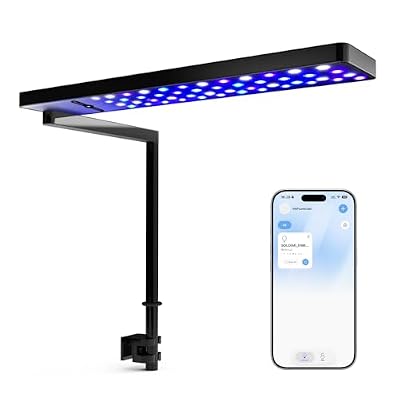
FZONE Solo Series Nano Aquarium Light for Saltwater and Reef Coral Tanks
Selected for "Best Reef Light Schedule for Coral Acclimation: Smart Guide": this listing is lighting (FZONE Solo Series Nano Aquarium Light for Saltwater and Reef Coral Tan), matching the equipment this article covers.
View on Amazon
NICREW 32W Saltwater Aquarium Light, Marine LED Reef Light for Corals, Programmable Timer Controller, 30 to 36-Inch
Selected for "Best Reef Light Schedule for Coral Acclimation: Smart Guide": this listing is lighting (NICREW 32W Saltwater Aquarium Light, Marine LED Reef Light for Corals,), matching the equipment this article covers.
View on Amazon
Coralite Cetus 2SS 36W Coral Reef LED Aquarium Light App Control Nano Tank
Selected for "Best Reef Light Schedule for Coral Acclimation: Smart Guide": this listing is lighting (Coralite Cetus 2SS 36W Coral Reef LED Aquarium Light App Control Nano ), matching the equipment this article covers.
View on AmazonBy David Nguyen
Quick answer: For most people in 2026, the best reef light schedule for coral acclimation is the Starting intensity — our #1 rated choice. See the full ranked comparison, alternatives and buying advice below.
How Coral Light Acclimation Works
Corals host symbiotic algae that adjust to a light level over days, so the best reef light schedule for coral acclimation gives that biology time to catch up. Start low, hold, and step intensity upward gradually; the mechanism below explains why patience beats brightness every single time you rework a tank.
Photoacclimation and Why Corals Bleach
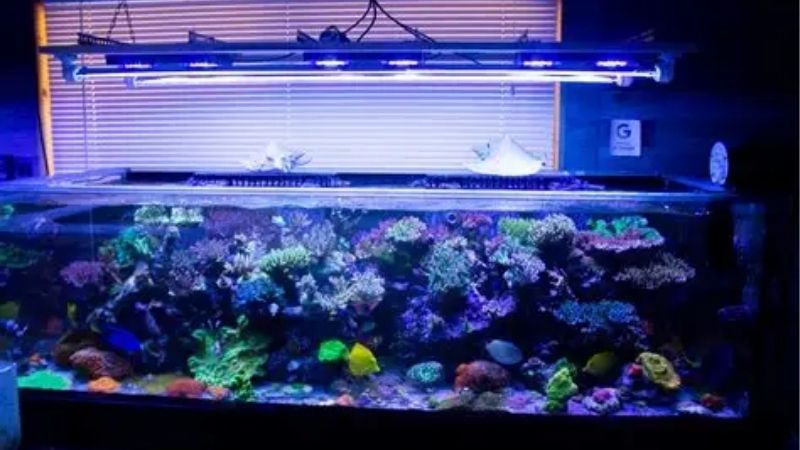
Zooxanthellae, the algae living in coral tissue, tune their pigments to the light they receive, a process that unfolds over days to weeks rather than hours. When light jumps suddenly, those algae are overwhelmed, the coral expels them to protect itself, and you see the pale or white look called bleaching.
Normal acclimation shows minor paling or slight polyp shyness that recovers as pigments adjust. The danger threshold is rapid, patchy whitening or tissue peeling within a day or two, which signals you moved too fast; the fix is to cut intensity and hold, not to keep pushing the schedule forward. Hold the level, do not push.
Ramp Length and Intensity Steps
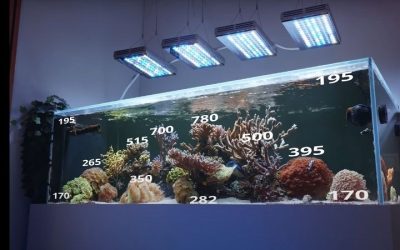
A workable ramp begins near a quarter to 40 percent of target output and climbs in small steps every few days, reaching full intensity somewhere between four and eight weeks. Deeper tanks and light-sensitive frags sit at the longer end, since the same fixture reads dimmer as depth increases. Longer is the safer default here.
The common mistake is treating the acclimation mode in an app as automatic and safe by default. Many presets ramp faster than a stressed frag can handle, so slow the built-in curve, and if you upgraded fixtures, remember new models often push more PAR than the numbers alone suggest. Slow any built-in ramp accordingly.
Photoperiod and the Daily Curve
Photoperiod is how long peak light stays on, and a sensible curve opens with a gentle sunrise, holds a modest peak, and eases into sunset. Many reefs run six to nine hours of meaningful light, with a shorter peak early in acclimation that lengthens as the corals prove they are coping. Lengthen the peak only later.
Overlong peaks early on are a classic error, since a bright ten-hour day stresses fresh frags even at a modest intensity. Extend the peak only after color and polyp extension look stable, and keep the sunrise and sunset ramps in place so nothing on the rock gets a jarring on-off shock. Gentle transitions matter most.
Spectrum During Acclimation
Spectrum matters as much as raw intensity, because heavy whites carry more total energy than a blue-leaning mix at the same slider position. Starting blue-weighted eases corals in while still showing fluorescence, and it lets you raise whites later as a separate, controlled step in the schedule. Raise the whites last of all.
Pushing whites hard early to chase a bright look is where many tanks stumble, so treat the white channels as the last thing you ramp. Change one channel at a time and give it days; stacking a spectrum change on top of an intensity increase makes any stress impossible to diagnose cleanly. Change one thing at a time.
What It Looks Like in Practice
The best reef light schedule for coral acclimation shifts with where a coral came from and what type it is, so the ranges below turn the mechanism into real settings. Use the table as a starting frame, then let the coral’s daily appearance fine-tune every number you pick. Use it as a frame, then read the coral daily.
| Factor | Normal Range | Watch-out Threshold | What to Do |
|---|---|---|---|
| Starting intensity | 25 to 40% of target | Above 50% on new frags | Drop and hold several days |
| Ramp duration | 4 to 8 weeks | Under 2 weeks | Extend the ramp |
| Peak photoperiod | 6 to 9 hours | Over 10 hours early | Shorten the peak |
| Stress signs | Slight, even paling | Rapid or patchy bleaching | Cut intensity immediately |
New Frags from a Lower-Light System
Frags shipped from a vendor or traded from a dimmer tank have algae tuned to weak light, so they need the most cautious start of all. Place them low on the sandbed or in a shaded pocket and begin near the bottom of the intensity range, letting position do part of the acclimation work. This is the best reef light schedule for coral acclimation.
Over two to four weeks, move each frag gradually up the rock toward its final home rather than dropping it under the brightest spot on arrival. This staged relocation, paired with a slow intensity ramp, is far safer than trusting a single acclimation setting to protect a coral that traveled in a bag.
Upgrading from T5 or Old LED
Swapping an aging fixture for a modern one is a hidden shock, because established corals suddenly sit under far more usable light at the same nominal schedule. Even a settled tank should treat a fixture upgrade as a fresh acclimation and roll intensity back to a fraction of the new target. Treat it as a completely fresh start.
Measure or estimate the new PAR at the coral before assuming your old timing carries over, since newer fixtures frequently read brighter than their spec sheet implies. Ramp back up across several weeks; corals that looked bulletproof under weak light can still pale under an unexpectedly strong replacement.
SPS-Dominant Ramp
SPS corals ultimately crave high light, which tempts reefers to rush them toward big PAR numbers within days. Resist that: even future high-light Acropora acclimate best from a modest start, gaining color and encrusting steadily instead of browning, bleaching, or suffering tissue loss from a sudden intensity spike.
Watch the growing tips and base tissue as your gauge, extending the ramp whenever color washes out. SPS reward consistency, so hold each step until pigment looks stable, and keep flow and stable water chemistry in step with light, since intensity stress rarely acts entirely on its own. Stable chemistry supports the ramp.
Softies and LPS Ramp
Soft corals and most LPS want gentler light overall, so their acclimation is shorter but still deliberate, aiming for the lower PAR bands rather than SPS-level intensity. Overshooting here causes constant retraction, poor extension, and a washed-out look that many mistake for a feeding or flow problem instead.
Give these corals shaded placement and a modest peak, and raise light only until polyps extend fully and color deepens. If a piece stays closed for days under rising light, back the schedule off a step; with softies and LPS, less intensity held steady usually beats more intensity pushed early. Steady light wins with these corals.
Frequently Asked Questions
These questions capture what most reefers really want to know when building the best reef light schedule for coral acclimation, and each answer leans on watching the coral rather than obeying a fixed timer. Read them before you touch a single slider on a new tank. Each leans on watching the coral, not the clock.
How long should coral acclimation take?
Most corals settle over four to eight weeks, with deeper tanks and delicate SPS at the longer end and hardy softies at the shorter one. There is no universal number, because the same intensity reads differently at various depths, so let recovery and color guide when you take the next step. Let the coral set the real pace.
Rushing to full light in a week or two is the single most common cause of new-tank bleaching. If you are ever unsure, extend the ramp; a slightly slow schedule costs you a little growth, while a fast one can cost you the coral outright and set the whole tank back weeks. Patience is the best reef light schedule for coral acclimation.
What percent should I start at?
Begin somewhere around 25 to 40 percent of your intended peak intensity, sitting lower for shipped frags or a fresh fixture upgrade. Remember the percentage on the app is not PAR, so a meter reading at the coral tells you far more than any slider value the controller happens to display. Measure right at the coral itself.
If you cannot measure PAR, err low and lengthen the schedule to compensate. Corals recover quickly from too little light but slowly, if at all, from too much, so a conservative starting point is nearly always the safer bet when precise numbers are out of reach. Err low; that is the best reef light schedule for coral acclimation.
Can I acclimate corals without a controller?
Yes, though it takes more manual effort, since you replicate the ramp by raising a dimmable fixture in small steps or by using shade and physical placement. Raising corals up the rock over weeks, or starting them under a screen, mimics the same gradual increase a controller would automate for you. Observation still rules the process.
A controller mainly buys convenience and repeatable curves, not magic, so a careful hobbyist can acclimate corals well by hand. What you cannot skip is observation: whatever the method, the coral’s daily appearance remains the real instrument driving every adjustment you make to the light. The method matters less than watching daily.
Why are my corals still bleaching on a slow ramp?
Light is only one stressor, so bleaching during a careful ramp often points elsewhere, toward swinging alkalinity, high temperature in summer, or a fixture reading brighter than expected. Overheating is especially common in warm months and stacks directly on top of any light stress the corals already feel.
Recheck your actual PAR, confirm stable parameters, and watch tank temperature before blaming the schedule alone. If everything else holds and paling continues, drop intensity another step and hold longer, since a stalled ramp that keeps corals alive always beats a faster one that keeps losing them.
Final Thoughts
The best reef light schedule for coral acclimation is patient by design: start near a third of target, ramp across four to eight weeks, lead with blue over white, and treat any fixture upgrade as a brand-new acclimation. Watch the coral daily, extend the ramp whenever color fades, and let biology set the pace instead of the calendar.
Ready to decide? Our #1 pick for 2026 is the Starting intensity.
Live price & availability on Amazon.
Related Reviews & Guides
Freshwater vs Saltwater Aquarium for Beginners: Best Compared
6 Best Chillers For Saltwater Aquarium 2026