Last Updated: September 27, 2026

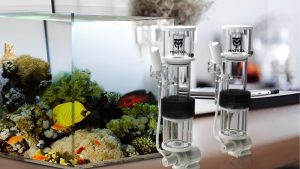
Reef Octopus Classic 150INT Protein Skimmer
Included for 'Best Protein Skimmer for Beginners: Top Expert Buying Guide' as a relevant option in this category; details come from the product listing.
View on Amazon
Reef Octopus OCTO Classic 1000 HOB Protein Skimmer Bundle (3 items)
Included for 'Best Protein Skimmer for Beginners: Top Expert Buying Guide' as a relevant option in this category; details come from the product listing.
View on Amazon
Reef Octopus OCTO Regal 150 SSS Space Saver Protein Skimmer
Included for 'Best Protein Skimmer for Beginners: Top Expert Buying Guide' as a relevant option in this category; details come from the product listing.
View on Amazon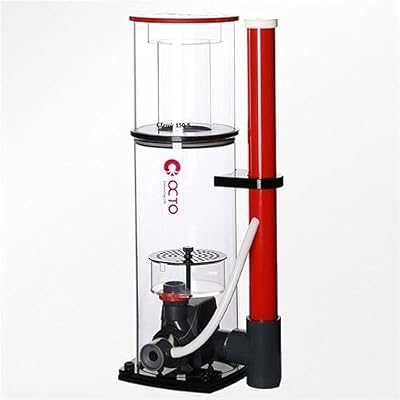
Reef Octopus Classic 150SSS Protein Skimmer
Included for 'Best Protein Skimmer for Beginners: Top Expert Buying Guide' as a relevant option in this category; details come from the product listing.
View on AmazonFirst skimmers fail on installation depth far more often than on performance. The best protein skimmer for beginners publishes a clear immersion range, tunes without fuss and gives honest load guidance instead of a single optimistic gallon figure. Four models compared below.
As an Amazon Associate we earn from qualifying purchases.
By David Nguyen
Quick answer: For most people in 2026, the best protein skimmer for beginners is the TUNZE 9004 — our #1 rated choice. See the full ranked comparison, alternatives and buying advice below.
How to Choose a Beginner Protein Skimmer
Four things matter considerably more than brand reputation on a first purchase: the published water depth requirement, how simply the unit sets itself up, whether the load guidance is stated clearly, and how accessible the collection cup and pump are for routine weekly maintenance.
Water Depth Decides Eligibility First
Every model publishes an operating envelope, and a beginner skimmer simply will not work at whatever depth you happen to have. TUNZE specifies between 8.9 and 9.7 inches of immersion for the 9004, while the Curve 5 Elite requires between 9.5 and 11 inches of water in the sump itself.
NYOS lists 8.5 inches for the Quantum 120, which shows how much these published figures vary between products that look broadly similar. Measure your sump chamber or intended mounting position before shortlisting anything, because this single number eliminates unsuitable candidates fastest of all.
Setup Simplicity Genuinely Matters
A first skimmer ought to reach stable foam without any extended tuning. Plug-and-play designs such as the NYOS Quantum 120 aim at precisely that outcome, arriving largely preset rather than requiring the pump adjustment and the break-in patience that more configurable bodies expect.
Adjustable DC models offer more control later on but add decisions early, which is the opposite of what a first reef needs. Choose simplicity now if the alternative is a unit sitting badly tuned for several months while you are still learning what correct foam actually looks like.
Read Load Guidance Rather Than Maximums
Ratings depend heavily on stocking, and the way different brands express that reality varies considerably. TUNZE frames the 9004 as load dependent rather than quoting one single ceiling figure, while retailer listings separate the heavy, medium and light figures for one single product.
Some retailer metadata for the 9004 conflicts on its heavy-load values, so the manufacturer’s own load-dependent framing is the safer reference whenever figures disagree. Where two published numbers contradict one another, always size from the more conservative of the two figures.
Check Maintenance Access Before Buying
Skimmer maintenance is weekly rather than occasional, so cup removal and pump access shape the whole ownership experience quite considerably. A collection cup that lifts out cleanly with the lid on encourages emptying it on schedule instead of waiting until it eventually overflows.
Consider the space above the unit as well, since a sump sitting inside a cabinet may not allow the vertical clearance that a collection cup needs. Test for that clearance with a tape measure alongside the depth measurement, because both of those constraints apply at exactly the same time.
Top Picks
Four models suited to a first reef, running from an internal unit through to plug-and-play in-sump bodies. Published depth requirements, load framing, power draw and September 2026 pricing appear throughout, alongside the single constraint that decides whether each one fits your own particular setup.
| Product | Best For | Key Spec | Watch Out For |
|---|---|---|---|
| TUNZE 9004 | First reef on a budget | 8.9 to 9.7 in immersion, 4 W, 199.99 USD | Depth range is narrow |
| Curve 5 Elite | Larger first systems | 75 gal heavy, 9.5 to 11 in, 212.49 USD | Deepest requirement here |
| NYOS Quantum 120 | Simplest setup | 25 to 125 gal, 8.5 in, 8 W, 399.88 USD | Highest price |
| TUNZE 9004 DC | Room to learn and tune | 15 to 79 gal, 259.99 USD | More decisions early |
TUNZE 9004, Best First Reef Skimmer
At 199.99 USD the TUNZE 9004 runs on just 4 watts and mounts internally, requiring between 8.9 and 9.7 inches of immersion depth. TUNZE frames its capacity as load dependent rather than quoting a single maximum, which is considerably more useful guidance than any single headline gallon figure.
That immersion window is fairly narrow, so check the intended mounting position carefully before ordering. Retailer figures for heavy-load capacity do conflict in places, which makes the manufacturer’s load-dependent framing the reference worth trusting whenever numbers disagree.
Curve 5 Elite, Best for Larger First Systems
Listed at 212.49 USD with a published heavy-load rating of 75 gallons, this in-sump body covers considerably more system than the compact alternatives for barely more money. For a first reef sitting in the 60 to 75 gallon range, that spare capacity removes a great deal of early worry.
It needs between 9.5 and 11 inches of water depth, the deepest requirement among these four models, which rules out many beginner sumps immediately. Measure the sump chamber before anything else, because no amount of tuning compensates for a body floating at entirely the wrong level.
NYOS Quantum 120, Best for Simplest Setup
Covering 25 to 125 gallons on just 8 watts with an 8.5 inch water level requirement, the Quantum 120 is described as plug-and-play, which suits a first reef where tuning confidence is naturally low. The wide published range also accommodates a system that grows over its first year.
At 399.88 USD it is by some distance the most expensive option here, and that premium buys simplicity and spare headroom rather than an entirely different performance class. On a more modest first system, the cheaper bodies here cover exactly the same volume perfectly adequately.
TUNZE 9004 DC, Best Room to Learn
The DC version covers 15 to 79 gallons at 259.99 USD with fully adjustable output, which lets a beginner retune output as stocking increases rather than replacing the whole unit later. Sharing the 9004 immersion envelope, it fits into exactly the same installations as the standard body.
Adjustability introduces decisions at exactly the moment when a beginner has fewest reference points, which can easily mean months of the skimmer running badly tuned. Choose it if you enjoy the learning curve, and take the simpler body instead if you would rather it simply worked.
Frequently Asked Questions
Four questions come up on a first skimmer purchase: whether one is necessary at all, how long the break-in takes, what correct foam looks like, and how often the collection cup needs emptying. Direct answers below, along with the exceptions that are genuinely worth knowing about first.
Does a Beginner Reef Need a Skimmer?
Not universally, although the majority of reef systems do benefit from one. Skimming exports dissolved organics before they break down, which reduces the water change burden considerably on well stocked systems, particularly where feeding is generous or the fish load is already moderate.
Lightly stocked nano systems with disciplined feeding and regular water changes can run perfectly well without one. That calculation shifts as both fish and feeding increase, which is why many first reefs end up adding a skimmer within the first year rather than at initial setup.
How Long Does Break-In Take?
New skimmers commonly produce erratic foam for the first week or two while surfaces condition, which frequently catches beginners out. Resist the urge to adjust continuously during that period, since constant changes make it almost impossible to judge what the unit is actually doing.
Set the water level within the published range, then leave it alone for several days, then make just one single adjustment if the foam still remains thin or wet. A skimmer still behaving oddly after a fortnight usually has a water depth or a plumbing problem rather than a tuning one.
What Should the Foam Look Like?
Aim for a slowly rising foam column producing dark, thick skimmate rather than the pale watery liquid that fills a cup every day. Wet skimming removes rather more water along with some nutrients, while dry skimming produces a smaller volume of considerably more concentrated waste.
Neither approach is universally correct here, and the right setting depends on your stocking and on your feeding. Beginners generally find drier skimming easier to manage, since it reduces the overflow risk and it makes it obvious when feeding has quietly increased the organic load.
How Often Should You Empty the Cup?
Weekly is fairly typical, although more heavily fed systems will fill their cups considerably faster. Emptying before the cup is completely full prevents overflow into the sump, which simply returns the concentrated waste you just removed straight back into the system water again.
Rinse out the neck at the same time, since film buildup there affects foam production far more than most beginners would expect. Building both of those tasks into one weekly routine keeps performance steady and makes any gradual changes in the skimmate considerably easier to notice.
Final Thoughts
Measure the depth first, prefer clear load guidance and check cup access before comparing any prices. The best protein skimmer for beginners is the TUNZE 9004 on a budget, the Curve 5 Elite for larger first systems, and the NYOS Quantum 120 wherever setup simplicity matters most.
Ready to decide? Our #1 pick for 2026 is the TUNZE 9004.
Live price & availability on Amazon.
Related Reviews & Guides

6 Best Reef Nano Tanks 2026
Best Aquarium Chiller for a Nano Reef Tank: Proven Top Picks