Last Updated: October 4, 2026
- Top Pick: Aqua Natural Substrate, Sugar White Sand, 10lb
- Best Value: Aqua Natural Substrate, Galaxy Sand, 10lb
- Premium Choice: Aqua Natural Aquarium Substrate, Gold Pearl Gravel, 10lb
Choosing between aquarium sand and gravel substrate is less about which material looks better in a product photo and more about how you want to live with the aquarium. The real decision is a trade-off among cleaning effort, fish comfort, plant performance, appearance, and how much flexibility you want if the tank moves or your stocking plan changes.
Sand creates a smooth, modern foundation that suits bottom-dwelling fish and minimalist rooms. Gravel is more forgiving during setup, offers stronger water circulation around plant roots, and gives many aquariums a classic, textured appearance. Both can work well in a home aquarium when the grain size, depth, and maintenance routine match the fish and plants.
As an Amazon Associate we earn from qualifying purchases at no extra cost to you.


For a 2026 setup, the material cost is usually modest compared with the aquarium, filter, heater, lighting, and water-care equipment. A 10-pound bag may cost about $15, but the better choice can save time and prevent a costly substrate change later.
Quick Verdict
Choose sand if you want a sleek appearance, keep fish that sift or rest on the bottom, or prefer a substrate that hides fine waste on the surface until you vacuum it. Sand is especially attractive in smaller tanks and contemporary living spaces.
Choose gravel if you are new to aquariums, plan to grow rooted plants, want easier routine vacuuming, or prefer more color and texture. Gravel is generally the more versatile option for community tanks and households that may rearrange the aquarium over time.
Neither material is automatically safer or healthier. Avoid extremely sharp grains, excessive substrate depth, and compacted areas. Rinse new substrate thoroughly, add it before filling the tank, and follow the needs of the species you keep.
Side by Side
| Factor | Aquarium Sand | Gravel Substrate |
|---|---|---|
| Comfort | Soft, smooth surfaces suit bottom-sifting fish when the grain is appropriate | Comfortable with rounded, smooth pieces; sharp gravel should be avoided |
| Durability | Does not wear out quickly, but fine grains can compact or scatter | Highly durable and easy to reposition without creating clouds |
| Price range | About $10–$30 per 10-pound bag for common aquarium products | About $10–$35 per 10-pound bag, with specialty colors costing more |
| Maintenance | Needs gentle surface vacuuming to avoid removing sand | Allows deeper gravel vacuuming and easier debris removal |
| Space needed | Usually 1–2 inches for a decorative layer; deeper beds need more care | Usually 1.5–2.5 inches, with extra depth for many rooted plants |
| Look | Clean, calm, beach-like, or modern | Textured, colorful, natural, or high-contrast |
| Resale or repurposing | Attractive to buyers seeking a minimalist or species-specific setup | Appeals to the broadest range of beginner and community-tank setups |
| Best for | Bottom dwellers, simple displays, and compact aquariums | Community tanks, beginners, rooted plants, and flexible layouts |
Where Aquarium Sand Wins
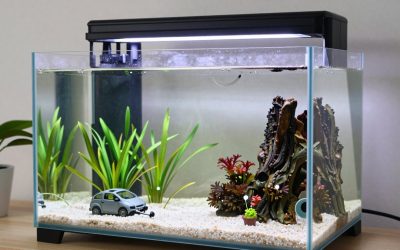
Sand is the strongest choice when the visual goal is a clean, uninterrupted base. White sand can make green plants and colorful fish stand out, while darker sand can create contrast without the busy pattern of multicolored gravel. Aqua Natural Substrate Sugar White Sand and Aqua Natural Substrate Galaxy Sand are examples of 10-pound options priced for under $20 each. The white option has a bright, airy effect; a darker or galaxy-style sand can produce a more dramatic display.
Bottom-oriented fish are another reason to choose sand. Many catfish and loaches investigate the substrate with their mouths or barbels. A smooth, suitably sized sand can be gentler than coarse or jagged material. It also lets fish display natural sifting behavior, which can make the aquarium more interesting to watch.
Sand can make a small aquarium appear more spacious because the continuous surface does not visually break up the footprint. A 10-gallon tank with a 20-by-10-inch base, for example, looks less crowded with a shallow, uniform layer than with several contrasting gravel colors. Sand is also useful for creating a defined foreground in a planted aquascape.
The main maintenance rule is to vacuum the surface rather than plunge a siphon deeply into the bed. Waste typically rests on top, so a gravel-cleaning tube held slightly above the sand can remove debris without extracting much substrate. Stirring small sections occasionally can help prevent compacted pockets, but the aquarium should not be aggressively churned.
Sand does have limitations. Fine grains can enter filter intakes, cling to decorations, and become suspended when fish dig or when equipment is moved. A pre-filter sponge and careful placement of the intake can reduce that risk. Avoid building a very deep sand bed unless you understand how to maintain it and why the extra depth is needed.
Where Gravel Substrate Wins
Gravel is generally easier for first-time aquarium owners. Its larger pieces leave more open space between grains, allowing water and a siphon to move through the top layer. During a water change, you can push a gravel vacuum into the substrate and lift out trapped waste while the heavier pieces fall back into place.
Gravel also gives rooted plants more physical support. It is not a complete plant-growing medium by itself, but a suitable gravel layer can hold stems in place and provide room for roots. If you are growing demanding plants, use root tabs or a nutrient-rich base according to the plants’ requirements rather than assuming any gravel supplies fertilizer.
Color and texture are major advantages. Aqua Natural Aquarium Substrate Gold Pearl Gravel and Aqua Natural Aquarium Substrate Diamond Black Fine Gravel are both 10-pound products listed for under $20. Gold Pearl Gravel can warm up a natural community-tank design, while Diamond Black Fine Gravel offers a dark background for bright fish and plants. “Fine” gravel can provide some of the visual smoothness of sand while remaining easier to vacuum, though always check that the pieces are rounded and aquarium-safe.
Gravel is also a practical choice for a tank that may change occupants. A broad community aquarium can transition from livebearers to tetras, plants, or decorative hardscape without requiring a complete substrate replacement. It is less likely than sand to shift into corners when water is poured or decorations are repositioned.
The downside is that debris can fall below the visible surface. Skipping water changes or failing to vacuum can allow detritus to accumulate. Very large stones can trap food, while sharp chips may damage bottom dwellers. A moderate grain size with smooth edges is usually the safest all-purpose direction.
Cost Over 5 Years
Substrate is a relatively small part of an aquarium’s five-year budget. For a 10-gallon aquarium, one 10-pound bag may be sufficient for a shallow decorative layer, although the exact amount depends on the tank footprint, grain density, and desired depth. A 20-gallon or 29-gallon tank may need two or more bags, especially for a 2-inch bed or a sloped aquascape.
For under $20 per 10-pound bag, a basic setup may cost about $15–$30 for substrate. A larger aquarium or a deep planted layout may require $30–$75. Over five years, the original material can last the entire period if it is cleaned properly. Plan on roughly $0–$20 in occasional replacement for lost, contaminated, or rearranged substrate, bringing a realistic five-year substrate range to about $15–$95 for many home aquariums.
Sand can have slightly higher practical replacement costs if it is repeatedly siphoned out during cleaning. Gravel may lose pieces during vacuuming too, but its heavier size makes recovery easier. The largest financial difference is usually not the material itself; it is the cost of changing a poor choice after the tank is established. Drainage, fish relocation, and a full rescape can take several hours.
Which One for Your Home
Small Apartment
Sand is often the better visual fit for a 5- to 20-gallon aquarium in an apartment. Its uninterrupted surface can make a compact tank feel calmer and larger, and a 1-inch layer keeps the interior from looking crowded. Choose a dark sand if you want fish colors to stand out, or white sand for a bright, gallery-like effect. Use a reliable lid because splashing or digging fish can move fine grains into nearby furniture areas.
Family With Kids or Pets
Gravel usually wins for a busy household because it is easier to vacuum and less likely to blow around when a child taps the glass or a pet bumps the stand. Select smooth, medium-sized pieces and secure the aquarium on a properly rated stand. A lid is more important than the substrate choice when cats, dogs, or curious children share the room.
Rental Home
Choose the substrate that reduces the likelihood of a major mess. Gravel is often the forgiving option during maintenance because it stays in place during filling and cleaning. Sand can still work well, particularly in a small tank, but use a plate or plastic bag to diffuse water as you fill the aquarium. Keep the substrate depth modest so the tank is easier to empty and transport when the lease ends.
Long-Term Home
Either material can be a long-term choice, so prioritize the fish and plants you expect to keep for several years. Sand is ideal for a deliberate, minimalist display or a tank centered on bottom dwellers. Gravel is better if you expect to experiment with community fish, rooted plants, and changing layouts. In a permanent setup, spending an extra $15–$30 on the right amount of substrate is usually wiser than choosing based only on the lowest upfront price.
FAQ
Is sand or gravel better for aquarium plants?
Gravel is usually easier for anchoring rooted plants and vacuuming around them. Sand can support plants too, especially when used in a shallow layer with root tabs or a nutrient substrate beneath it. The plant species, lighting, carbon dioxide, and fertilization routine matter more than the basic choice between sand and gravel.
How deep should aquarium substrate be?
A decorative bed is commonly about 1–2 inches deep. Use around 2–2.5 inches when you need more support for rooted plants, but avoid creating a deep, compacted bed without a maintenance plan. Slope the substrate higher at the back if you want depth without filling the entire foreground.
Can aquarium sand and gravel be mixed?
Yes, but the materials often separate over time as larger gravel settles and smaller sand works downward. A cleaner approach is to use gravel and sand in defined zones with a divider, or place sand in a contained foreground area. Rinse both materials separately before adding them.
How do you clean aquarium substrate?
For gravel, insert a siphon into the upper layer and lift debris while allowing the gravel to fall back. For sand, hover the siphon just above the surface and move slowly. Clean only part of the substrate during a water change, and never use soap or household cleaners.
Ready to decide? Our #1 pick for 2026 is the Comfort.
Live price & availability on Amazon.
Related Reviews & Guides


Best Aquarium Starter Kit With Heater And Filter: Top Compared
hygger Small Aquarium Betta Heater vs auomii USB 10W Mini Submersible Aquarium: Which Should You Buy?