Last Updated: September 25, 2026
Reef octopus regal vs classic skimmer comparison usually comes down to how much fine-tuning and footprint you want versus how much you want to spend. Both lines pull good skimmate, so this comparison lines them up by real water volume, pump type, footprint, and long-term cost to help you match the right series to your reef.
As an Amazon Associate we earn from qualifying purchases.
As an Amazon Associate we earn from qualifying purchases at no extra cost to you. Prices and availability are accurate as of the date shown and are subject to change.

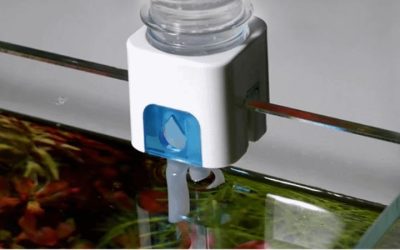
Reef Octopus Automatic Neck Cleaner 250
Selected for "Reef Octopus Regal vs Classic Skimmer Comparison by Tank": this listing is aquarium equipment (Reef Octopus Automatic Neck Cleaner 250), matching the equipment this article covers.
View on Amazon
Reef Octopus Classic 110-INT Needle Wheel Protein Skimmer for Aquarium
Selected for "Reef Octopus Regal vs Classic Skimmer Comparison by Tank": this listing is protein skimmers (Reef Octopus Classic 110-INT Needle Wheel Protein Skimmer for Aquarium), matching the equipment this article covers.
View on Amazon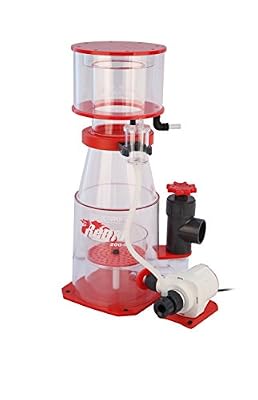
Reef Octopus Regal Internal Protein Skimmer REGAL-200INT
Selected for "Reef Octopus Regal vs Classic Skimmer Comparison by Tank": this listing is protein skimmers (Reef Octopus Regal Internal Protein Skimmer REGAL-200INT), matching the equipment this article covers.
View on Amazon
Reef Octopus Regal 8" 200SSS DC Protein Skimmer
Selected for "Reef Octopus Regal vs Classic Skimmer Comparison by Tank": this listing is protein skimmers (Reef Octopus Regal 8" 200SSS DC Protein Skimmer), matching the equipment this article covers.
View on AmazonBy David Nguyen
Quick answer: Our top pick in 2026 is the Regal (DC) — our #1 rated choice. See the full ranked comparison, alternatives and buying advice below.
Selection criteria and the decision number
Before choosing between the two lines, fix the numbers that actually separate them. A skimmer is rated for water and bioload, and the Regal and Classic families overlap heavily, so the decision rides on a few specific figures rather than brand loyalty. That is where any honest reef octopus regal vs classic skimmer comparison starts.
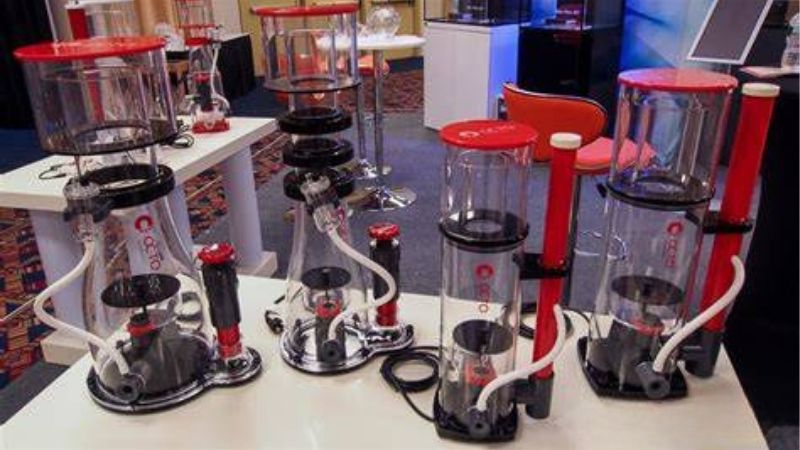
The decision number: rate by real water volume
Rate any skimmer by real water volume, not the tank box figure. A nominal 90 gallon (341 L) system with rock, sand, and a sump often holds only 70 to 75 gallons (265 to 284 L). Both Regal and Classic models publish tank ratings, so compare them against that smaller real number with a margin for bioload.
Treat any maximum rating as a ceiling assuming a light load. For a heavily fed or predator tank, target a model rated roughly 1.5 to 2 times your real water volume. This single figure narrows both lines to a couple of candidate sizes before any other feature matters.
Other criteria that carry numbers
After sizing, weigh pump type, footprint, and noise. Regal models are commonly offered with DC needle-wheel pumps that allow adjustable air and speed, while the Classic line leans on simpler, fixed AC pumps. DC adds tunability and one extra failure point, the controller; AC keeps it simple and cheaper.
Footprint and noise decide the rest. Regal bodies tend toward space-saving cones; Classic bodies are often a little larger for the same rating. For a bedroom or living-room tank, target a quieter pump, since a whining needle-wheel is a real drawback near where people sleep or relax.
Tank size, placement, and fit
Rating is meaningless if the body will not fit. In-sump models need a matching footprint and a stable water depth, often 7 to 9 inches (18 to 23 cm), or they surge. Measure the sump chamber length, width, and working height, plus cabinet clearance for the tall cone and cup, before ordering either line.
The two lines by need group
Both families span nano to large systems, so the better way to choose is by the kind of reef and setup you run rather than a simple ranking. Here is how each line fits three common needs. This is the practical middle of a reef octopus regal vs classic skimmer comparison.
Regal for space-limited sumps
Regal cones pack a given rating into a relatively small footprint, which suits tight sumps and cabinet builds. The DC option lets you ease it through break-in and dial foam for a modest bioload. Drawback: the DC controller is an added cost and a part that can fail outside the pump warranty.
Regal for larger mixed and SPS systems
On bigger mixed or SPS tanks that need consistent nutrient export, a larger Regal with a DC pump gives adjustable air draw as bioload climbs. It is the pricier path. Drawback: DC pumps draw film and calcium over 6 to 12 months, so plan on cleaning the needle wheel to hold rated output.
Regal for a quiet display room
For a living-room or bedroom reef, a Regal DC pump can be tuned down for lower noise, which is a genuine advantage where sound matters. Drawback: no needle-wheel skimmer is silent, and if the controller fails you lose the tuning that made it quiet in the first place.
Classic for a first reef on a budget
The Classic line is the value entry point, giving reliable skimming with a simpler fixed AC pump and fewer electronics to fail. It is a strong first skimmer. Drawback: no speed or air adjustment beyond water level, so break-in overflow is harder to tame than on a DC Regal.
Classic for a heavily stocked FOWLR
Fish-only-with-live-rock tanks are heavy feeders, and a Classic rated well above real water volume handles that bioload without paying for DC tuning you may not use. Drawback: the larger Classic body needs more sump room than a comparable Regal cone, so confirm the footprint fits first.
Classic for simple, serviceable upkeep
If you want minimal electronics and easy parts, the Classic AC pump is easy to live with and cheap to service. Drawback: fixed output means you cannot throttle it during break-in or when bioload dips, so an oversized Classic on a light load can run wet and thin.
Head-to-head and who should not buy
With the sizing and need groups clear, the choice between the two lines comes down to a few honest trade-offs, plus the cases where neither is the right buy. That trade-off is the crux of a reef octopus regal vs classic skimmer comparison.
Choose Regal when, choose Classic when
Choose Regal when you want DC tunability, a smaller footprint, or quieter operation and accept a higher price and the controller as an extra failure point. Choose Classic when you want lower cost, fewer electronics, and simple servicing, and you are comfortable adjusting only by water level.
When neither is right
If your system is a small all-in-one nano with no sump, a large in-sump body from either line is overkill; a compact HOB skimmer fits better. And if you bought purely on the tank box number, you may be looking at an oversized unit that will run wet on a light bioload regardless of line.
Cheaper or alternative paths
You do not have to pick between these two families. Other AC skimmers hit similar price and performance for a budget FOWLR, and a well-cured, lightly stocked reef with strong export elsewhere may need less skimmer than either line suggests. Match the hardware to real export needs, not brand.
Operation, failures, and 12-month cost
Both lines run 24/7 for years, so the durability and operation picture is where the real ownership difference shows up. Budget for wear and upkeep, not just the purchase price. Ownership cost belongs in any reef octopus regal vs classic skimmer comparison.
Characteristic failure points
Needle-wheel pumps on either line collect film and calcium over 6 to 12 months, slowly cutting air draw. O-rings harden and can seep. On DC Regal units the controller is an extra part that can fail. On fixed Classic units there is less to break, which is part of their appeal for hands-off keepers.
Consumables and generic versus proprietary parts
Skimmers do not use proprietary cartridges, so recurring cost is mostly an occasional impeller or needle wheel and o-rings over a year. Confirm that pump spares for your exact model are sold separately, so a worn impeller means a cheap part rather than replacing the whole unit.
Warranty, spares, and electrical safety
Check the warranty split between the body, the pump, and wear parts, since they often differ. Because both are electrical devices sitting next to water, run them on a GFCI outlet with a drip loop, and favor pumps with recognized safety marks. Prices and current specs change, so verify the exact model at purchase.
Timing matters on big reef electrical gear. Skimmers from either line tend to see their deepest discounts around Prime Day in late June and again over Black Friday and Cyber Monday in late November, when large reef equipment is marked down hardest. Buying a Regal or Classic on sale is sensible, but the discount changes nothing about biology, so you still wait the usual 3 to 8 weeks for the tank to cycle before adding livestock; a skimmer bought at any price does not shorten that.
Running cost also shifts with the seasons, since both lines run around the clock. Warmer months raise room temperature and feeding, dissolved organics climb, and the cup fills faster, which is where a DC Regal’s adjustable air draw earns its keep and a fixed Classic simply needs emptying more often. In a heated home through winter, faster evaporation slowly concentrates the water, so the same skimmer works against a slightly heavier organic load and may want a small re-tune rather than being left untouched.
Frequently asked questions
These are the questions keepers ask most when deciding between the two lines. They cover what a reef octopus regal vs classic skimmer comparison leaves open.
Is the Regal always better than the Classic?
No. Regal adds DC tuning, a smaller footprint, and quieter potential at a higher price and one more failure point. Classic is cheaper and simpler with fewer electronics. On a budget or hands-off build, the Classic is often the smarter buy, not a downgrade. A fair reef octopus regal vs classic skimmer comparison treats the Classic as a smart buy, not a downgrade.
Do I need the DC pump for a small reef?
Not necessarily. A small reef can run well on a fixed AC pump if the skimmer is sized to real water volume. DC helps most when you want to fine-tune air during break-in or as bioload changes, which matters more on larger or evolving systems.
Which line is quieter?
A Regal DC pump can usually be tuned down for lower noise, which helps in a living space. No needle-wheel skimmer is truly silent, though, so if quiet is critical, plan placement and expectations accordingly rather than assuming any single model is inaudible.
Can I move either skimmer to a bigger tank later?
Often yes, if you upgrade within the model’s rating headroom. Since you should size to real water volume with a bioload margin, a skimmer bought with room to spare can carry to a modestly larger system, which is a point in favor of not undersizing today.
Making the call between the two lines
A useful reef octopus regal vs classic skimmer comparison ends with a simple rule: size both to your real water volume, then let pump type, footprint, and budget break the tie. A default pick for most keepers who want tunability and a tight footprint is a DC Regal sized with bioload margin; the value pick for a first reef or a hands-off FOWLR is a correctly sized Classic. Measure your sump chamber and water depth before ordering either, because a well-rated skimmer that does not fit is still the wrong one. Current specs and pricing shift, so confirm the exact model at the time of purchase.
| Line | Key number | Suitable tank | Recurring cost | Who it is for |
|---|---|---|---|---|
| Regal (DC) | Adjustable air, small footprint | Nano to large reef, tight sumps | Impeller and o-rings; possible controller | Keepers who want tuning and space savings |
| Regal (larger DC) | Rated ~1.5 to 2x real volume | Mixed and SPS systems | Needle wheel cleaning, o-rings | Higher-export tanks that evolve over time |
| Classic (AC) | Fixed output, simple pump | First reef, budget builds | Occasional impeller and o-rings | Cost-focused or hands-off keepers |
| Classic (larger AC) | Rated above real volume | Heavily stocked FOWLR | Occasional impeller and o-rings | Heavy feeders who skip DC tuning |
Ready to decide? Our #1 pick for 2026 is the Regal (DC).
Live price & availability on Amazon.
Related Reviews & Guides



Best Protein Skimmer Maintenance and Cleaning Kit: Top Smart

6 Best Chillers For Saltwater Aquarium 2026