Last Updated: October 4, 2026
Setting up an aquarium air pump is simple, but a few small errors can create big problems. A loose airline can spray water, a missing check valve can allow water to siphon into the pump, and excessive bubbles can stress fish or disturb plants. An air pump also does not “add oxygen” directly to the water; it moves air through an air stone or filter, creating surface movement that improves gas exchange. Set up correctly, it can support fish during warm weather, power outages, or periods when your aquarium needs additional circulation.
This guide explains how to set up an aquarium air pump safely in 2026, whether you are adding an air stone, sponge filter, or bubble decoration. Most small aquarium pumps cost about $10 to $25, depending on airflow, noise control, and whether tubing and accessories are included.
As an Amazon Associate we earn from qualifying purchases at no extra cost to you.
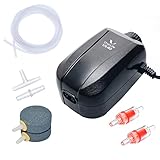

Quick answer: Our top pick in 2026 is the Aquarium air pump — our #1 rated choice. See the full ranked comparison, alternatives and buying advice below.
What You Need
| Item | Why | Optional? |
|---|---|---|
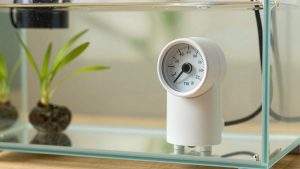
| Aquarium air pump | Pushes air through the airline and into the aquarium. Choose a model rated for your tank size. | No |
| Airline tubing | Connects the pump to an air stone, sponge filter, or other air-powered accessory. Standard aquarium tubing is usually 3/16 inch inside diameter. | No |
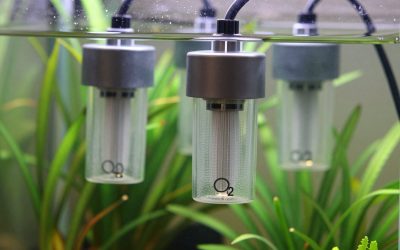
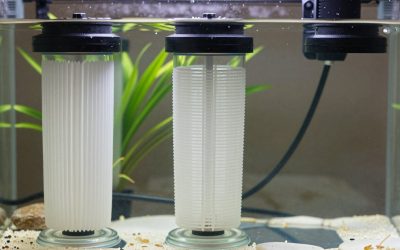
| Air stone, sponge filter, or bubble ornament | Diffuses the air or uses it to operate a filter. An air stone produces smaller bubbles and wider circulation. | No |
| Check valve | Stops water from flowing backward through the airline if the pump stops or the power fails. | Strongly recommended |
| Airline connectors or gang valve | Splits one outlet into multiple lines or helps connect two pieces of tubing. | Only for multiple accessories |
| Drip loop and power outlet | Keeps water running down the cord from reaching the electrical outlet. Use a GFCI-protected outlet whenever possible. | No |
| Scissors | Creates clean, straight tubing cuts. | No |
For a 10- to 100-gallon aquarium, a dual-outlet pump such as the Uniclife 64 GPH model may be useful when you want to run two air stones or a combination of an air stone and sponge filter. For smaller or medium aquariums from 10 to 60 gallons, the Pawfly 50 GPH dual-outlet pump is another budget-style option. Comparable kits commonly cost roughly $10 to $15 and may include tubing, air stones, check valves, and connectors. Always match the pump to the manufacturer’s stated tank-size range rather than choosing by price alone.
Step-by-Step
1. Choose the pump location (5 minutes)
Place the pump on a dry, stable surface near the aquarium, but do not put it inside the stand where spilled water can collect. The safest position is above the aquarium’s water line. If the pump must sit lower than the water surface, use a check valve on every airline and inspect the setup frequently.
Set the pump on a firm surface that will not amplify vibration. A thin piece of foam, rubber, or a folded towel under the pump can reduce rattling, but do not block the pump’s ventilation openings.
2. Plan the airline route (3 minutes)
Measure the distance from the pump to the aquarium accessory, leaving a little extra length for a gentle curve. Avoid sharp bends, pinched tubing, and areas where the line may be crushed by the aquarium lid. Cut the tubing squarely with scissors. A line that is too long can reduce airflow slightly and create clutter, while a line that is too short can pull on the pump or accessory.
3. Attach the check valve (2 minutes)
Look for the small arrow printed or molded on the check valve. The arrow must point toward the aquarium accessory, showing the direction air will travel. Cut the airline once and push each end firmly onto the valve’s barbed openings.
Install the valve outside the aquarium, usually several inches above the water line. Do not submerge the valve unless the manufacturer specifically says it is designed for that use. If your pump has two outlets, use a check valve on each separate airline.
4. Connect the pump and accessory (5 minutes)
Push one end of the airline onto the pump’s outlet and the other end onto the air stone, sponge filter, or bubble ornament. The connection should be snug without requiring excessive force. If you are using two accessories, connect one line to each outlet. A gang valve can help fine-tune airflow between multiple devices.
Place an air stone on the aquarium floor or attach it to the sponge filter according to the accessory’s instructions. Keep it away from the intake of a hang-on-back filter unless you specifically want bubbles pulled into that filter. For planted tanks, position the stone where it creates gentle surface movement without constantly blasting leaves.
5. Create a drip loop (2 minutes)
Before plugging in the pump, arrange the power cord so part of it hangs below the level of the outlet and then rises to the receptacle. This low section is called a drip loop. If water runs down the cord, it should fall from the loop rather than reach the outlet.
Keep the plug, power strip, and outlet dry. Do not plug equipment into an overloaded power strip. A GFCI-protected outlet is a wise choice near aquariums because it can shut off power if it detects an electrical fault.
6. Start the pump at low airflow (3 minutes)
Plug in the pump and turn its adjustment knob to a low setting, if available. Confirm that bubbles are emerging from the air stone and that water is not moving backward through the line. The pump may sound louder for the first few seconds as air fills the tubing.
Increase the airflow gradually until the surface has gentle, continuous movement. You do not need violent bubbling. Excessive flow can stress fish, lift substrate, splash water onto the lid, or cause a sponge filter to pull water too aggressively.
7. Inspect the setup after running (10 minutes)
Watch the aquarium for about 10 minutes. Look for leaks, loose tubing, unusual vibration, and fish that appear distressed or are being pushed around by the current. Check that the water level is not dropping because of increased splashing.
If the pump is noisy, confirm that it is not touching the aquarium stand or wall. Make sure the tubing is not kinked, since a restriction can make the pump vibrate and shorten its service life. Recheck all connections after the system has operated for several hours.
Mistakes to Avoid
- Skipping the check valve: A power outage or failed pump can allow water to siphon toward the pump.
- Putting the pump in a damp area: Air pumps are not waterproof. Keep them dry and outside the aquarium.
- Using too much airflow: More bubbles are not automatically better. Aim for surface agitation that suits the fish and tank.
- Installing the check valve backward: The arrow must point toward the aquarium accessory.
- Sealing the pump in an airtight cabinet: The pump needs access to room air and may overheat without ventilation.
- Allowing tubing to kink: Kinks restrict airflow and can make the pump louder.
- Cleaning an air stone with harsh chemicals: Replace clogged stones or rinse them with aquarium-safe water instead.
- Ignoring water movement: A very strong current can exhaust small, slow-moving, or long-finned fish.
How Often
Check the bubbles, airline, and check valve at least once a week. Wipe dust from the pump’s exterior and confirm that the ventilation openings are clear. Inspect the power cord and plug for cracks, discoloration, or moisture every month.
Air stones gradually clog with mineral deposits and biological buildup. Depending on water hardness and use, clean or replace one every one to three months. Airline tubing can become stiff or cloudy over time; replace it when it no longer grips the fittings securely.
If the air pump runs continuously, it should generally be left on 24 hours a day unless the product instructions say otherwise. Turning it off at night can reduce oxygen levels, especially in heavily stocked aquariums. If you use a sponge filter, switching off the pump also stops filtration.
When to Call a Pro or Replace
Unplug the pump immediately if it becomes wet, smells burnt, sparks, overheats, or makes a sudden grinding sound. Do not open or repair a mains-powered pump unless a qualified technician is equipped to do so. Replace a pump when it cannot produce adequate airflow after you have checked for kinks, clogged air stones, and loose connections.
Consider professional aquarium help if fish are gasping at the surface, water quality is deteriorating, or you cannot determine whether the problem is aeration, filtration, temperature, or water chemistry. A pump cannot correct ammonia or nitrite buildup and should not be used as a substitute for water testing and routine maintenance.
FAQ
Should an aquarium air pump sit above or below the tank?
Above the water line is safest because it reduces the chance of water reaching the pump. If it sits below the water line, install a correctly oriented check valve and use a drip loop. Follow the pump manufacturer’s instructions for the maximum safe placement.
How many bubbles should an aquarium air pump make?
There is no universal bubble count. Adjust the pump until the surface moves gently and fish behave normally. A constant rolling boil is usually unnecessary. Reduce the airflow if fish hide, struggle against the current, or the aquarium splashes.
Can I run two air stones from one pump?
Yes, if the pump has two outlets or enough capacity for a splitter. A dual-outlet pump rated for your aquarium size can run two small air stones, but airflow may be weaker when both lines are open. Use a gang valve to balance the output.
Does an air pump replace a filter?
No. An air stone improves circulation and gas exchange, while a sponge filter uses air-driven water movement to provide mechanical and biological filtration. A basic air stone does not remove waste, so the aquarium still needs an appropriate filter and regular water changes.
Ready to decide? Our #1 pick for 2026 is the Aquarium air pump.
Live price & availability on Amazon.
Related Reviews & Guides


Aquarium Air Pump Buying Guide for Noise in 2026: What Actually Matters
Black Neon Tetra Care: A Hardy Community Setup