Last Updated: September 25, 2026
The reliable way to handle how to prepare driftwood for aquarium use is simple: rinse and scrub the piece, then pre-soak it, changing the water regularly. Fluval suggests about a week with one to two changes a day, and boiling is optional, since preparation reduces tannins and debris but never removes them completely.
As an Amazon Associate we earn from qualifying purchases.
By David Nguyen
What to Check on New Aquarium Driftwood First
Before soaking anything, figure out what you are actually dealing with. Preparation is quick once you know whether the wood is aquarium-specific, whether your problem is loose dirt or dissolved tannins, whether the piece still floats, and whether any white film is simple biofilm. Each answer points to a different first step.
Is the wood aquarium-specific?
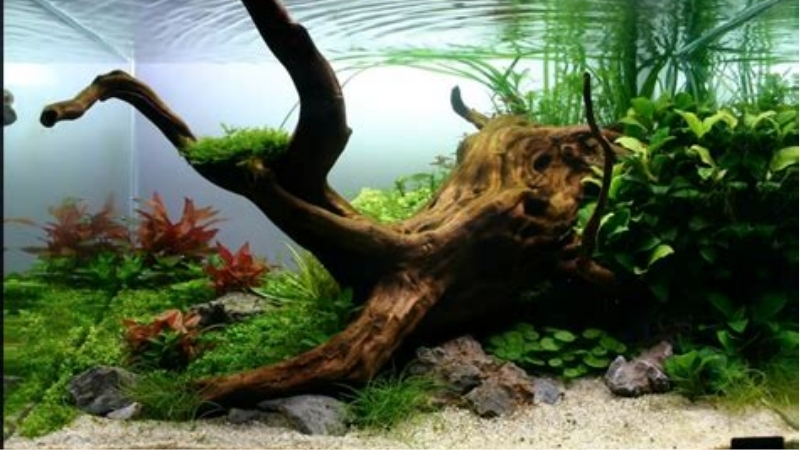
Start by confirming the wood is meant for aquariums. Purchased aquarium-specific driftwood is the safer source because its origin is known, whereas found or craft wood may be chemically treated, painted or partly rotten. No amount of soaking or boiling makes unknown treated or decaying wood aquarium-safe.
If you cannot verify what a piece is, do not risk it on livestock. Aquarium-labeled Mopani, spider wood and similar types are sold specifically for this purpose and behave predictably. Verifying the source first saves you from preparing a piece that was never safe to submerge in the first place.
Dirt versus tannin problem
Separate two different issues before you act. Loose grit and surface dust cause initial cloudiness and rinse away quickly, while tannins are dissolved compounds that leach slowly and tint the water brown for weeks. They call for different fixes, so identify which one you are actually seeing.
Tannin color and its mild acidifying effect depend on your water’s buffering and how much wood is in the tank, so a small piece in hard water shows little change. If clear water turns tea-colored after cleaning, that is tannins, not dirt, and only time and water changes will reduce it.
Is it still floating?
Check buoyancy early, because dry driftwood is full of air and will float until it waterlogs. Some pieces sink within days and others take longer, so a floating piece is normal at first rather than a defect. Fluval notes weighting a piece for the first couple of weeks is often enough.
Density and size drive how long this takes, so there is no fixed timeline you can promise. Test the piece in a bucket before you build your scape around it. Planning for temporary weighting up front avoids the frustration of a carefully placed centerpiece drifting to the surface overnight.
Is the white film biofilm?
A white, fuzzy film on new wood is common and usually harmless. It is a surface biofilm that appears in the first days or weeks as the wood settles, and Fluval treats it as a normal initial phase rather than a sign that the piece is spoiled or unsafe for fish.
It typically fades on its own as the tank matures, and many keepers simply brush it off or let cleanup animals graze it. If the film is genuinely white biofilm rather than dark rot, it is not cause for alarm, so avoid tearing down a scape over a temporary cosmetic phase.
How to Prepare Aquarium Driftwood Step by Step
With the diagnosis done, the preparation itself follows a short, ordered routine: clean the surface, soak to leach tannins, boil only when it is practical, and confirm the piece sinks before scaping. Each step has a realistic range rather than a single magic number, since wood varies from piece to piece.
| Symptom | Sign Alongside | Likely Cause | First Action |
|---|---|---|---|
| Wood floats | Won’t stay down when placed | Dry, air-filled cells | Weight it and pre-soak ~1 week |
| Brown water | Tint returns after changes | Natural tannin leaching | Soak with daily changes; expect some to remain |
| Loose grit or debris | Cloudiness on first fill | Surface dirt and dust | Rinse and scrub under warm water, no soap |
| White fuzzy film | Appears days after adding | Harmless surface biofilm | Leave it or brush off; usually clears |
Rinse and scrub
Begin by rinsing the wood under warm running water and scrubbing it with a stiff brush, using no soap or detergent. This removes loose debris, dust and surface grime that would otherwise cloud the tank on the first fill, and it lets you inspect the piece for soft or damaged areas.
Soap residue is toxic to fish, so water and mechanical scrubbing are the only cleaning agents to use here. A thorough scrub at this stage shortens the soak that follows, because you are no longer waiting on surface dirt, only on the dissolved tannins held inside the wood itself.
Soak separately
Soak the wood in a separate container, not the display tank, so the leaching does not tint your aquarium. Fluval offers about one week with water changes one to two times a day as a general starting guide, which works out to roughly seven to fourteen changes as an example.
That number is a derived illustration, not a universal requirement, since a heavily tannin-rich piece takes longer. Zoo Med’s Mopani guidance is to soak with daily changes until the water shifts from dark brown to very light, which is a clearer endpoint than any fixed day count you might set.
Boil only when practical
Boiling is optional and useful mainly for pieces small enough to fit in a pot. Aqueon describes a hot soak of at least a few hours to speed tannin reduction and help sterilize the surface, which can shorten the overall process for pieces you can actually submerge in boiling water.
There is no single correct boil time, and boiling does not remove all tannins or replace a proper soak. Large pieces that will not fit a pot rely on cold soaking instead, so treat boiling as an accelerator for small wood rather than a mandatory step for every driftwood piece.
Test buoyancy before scaping
Before you commit the wood to a layout, confirm it stays down. Place the soaked piece in a bucket or the tank and watch whether it holds position or drifts up. Waterlogging is what makes wood sink, and that can lag behind tannin leaching by days or even weeks.
If it still floats, weight it with a stone or bond it to slate and give it the first couple of weeks to saturate, as Fluval suggests. Building your scape around a piece that has not sunk yet is the most common way a finished aquascape quietly comes apart later.
Frequently Asked Questions
These are the questions that come up most as people work out how to prepare driftwood for aquarium use, from realistic soak times to whether boiling clears every tannin. Each answer gives a direct response first, then the condition that decides how it plays out for your piece.
How long should driftwood soak?
Fluval’s general starting point is about one week with water changes one to two times a day, but this is a guide, not a guarantee. Dense or highly tannic pieces take longer, so use the water’s color as your real signal rather than committing to a fixed number of days.
Zoo Med suggests soaking Mopani with daily changes until the water goes from dark brown to very light. Combining the two ideas, plan for at least a week, keep changing water, and stop when the tint drops to a level you are comfortable with in the display tank.
How often should the water be changed?
During a soak, one to two changes a day keeps the leaching moving and stops the container from saturating with tannins. Over a roughly one-week soak that adds up to about seven to fourteen changes, though the exact count depends on how much the wood is releasing.
More frequent changes speed visible clearing, so a very tannic piece benefits from twice-daily swaps. Fresh water each time carries away the dissolved compounds; letting the soak water sit brown does little, so the changes, not the soak time alone, are what actually reduce the tint.
Can boiling remove all tannins?
No. Boiling speeds tannin release and helps clean the surface, but it cannot remove every tannin, and it does not replace soaking. Tannins are held inside the wood and continue leaching for a while after the piece is submerged, regardless of how long you boiled it beforehand.
How much tint you see also depends on your water’s buffering and the amount of wood in the tank, so a small piece in hard water barely shows it. Treat boiling as an optional accelerator for small pieces, and accept that some tannins will still appear in the tank afterward.
Is white biofilm dangerous?
No. A white, fuzzy biofilm on new driftwood is a common initial phase and usually harmless. It forms as the wood settles and typically fades as the tank matures, so it is not a reason to remove the piece or tear down a scape you have just finished building.
You can brush it off or let shrimp and snails graze it down, and it tends to resolve on its own. The thing to distinguish is harmless white film from dark, mushy rot, which signals decaying wood; genuine biofilm is cosmetic and clears with a little patience.
Final Thoughts
Knowing how to prepare driftwood for aquarium use is really about patience and diagnosis: verify the wood, scrub it, soak with regular water changes, boil only if it is practical, and prove it sinks before scaping. Expect some tannins to remain, and let the water’s color and your test results guide how long you go.
As an Amazon Associate we earn from qualifying purchases at no extra cost to you. Prices and availability are accurate as of the date shown and are subject to change.

6PCS Natural Driftwood 3"–6" Unique Wood for Aquarium & Reptile Tank
Selected for "How to Prepare Driftwood for Aquarium: Expert Trusted Guide": this listing is tanks (6PCS Natural Driftwood 3"–6" Unique Wood for Aquarium & Reptile Tank), matching the equipment this article covers.
View on Amazon
majoywoo Natural Large Driftwood for Aquarium Decor Fish Tank Decorations
Selected for "How to Prepare Driftwood for Aquarium: Expert Trusted Guide": this listing is tanks (majoywoo Natural Large Driftwood for Aquarium Decor Fish Tank Decorati), matching the equipment this article covers.
View on Amazon
majoywoo Natural Driftwood for Aquarium Decor Fish Tank Decor Reptile Decor
Selected for "How to Prepare Driftwood for Aquarium: Expert Trusted Guide": this listing is tanks (majoywoo Natural Driftwood for Aquarium Decor Fish Tank Decor Reptile ), matching the equipment this article covers.
View on Amazon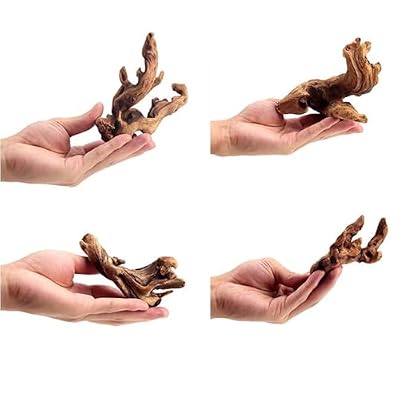
YZHZOM Small Natural Driftwood for Aquarium Styling Carefully Selected Natural Aquarium Decor Driftwood for Reptile Tank Reptile Tank Wood Decor (Driftwood 4-6inch 4pcs)
Selected for "How to Prepare Driftwood for Aquarium: Expert Trusted Guide": this listing is tanks (YZHZOM Small Natural Driftwood for Aquarium Styling Carefully Selected), matching the equipment this article covers.
View on Amazon
5 Best Aquarium Wood Aquascapings (2026)

Aquarium Planted Fertilizer Liquid Review