Last Updated: October 4, 2026
Reef automation is not a single price; it is a ladder of capabilities from simple monitoring to full control, dosing, and testing. Understanding how much does reef automation cost to set up starts with separating one-time hardware from recurring consumables, since the two behave very differently.
As an Amazon Associate we earn from qualifying purchases.
By David Nguyen
Quick answer: Our top pick in 2026 is the Monitoring only — our #1 rated choice. See the full ranked comparison, alternatives and buying advice below.
How Much Reef Automation Costs by Tier
As dated hardware examples, monitoring starts near under $350, basic control near under $350, a full controller around $600 to under $700, and roughly $1,400 once you add ATO and dosing. These are snapshots as of 09/2026, not universal costs, and package contents differ between tiers.
| Tier | Example Hardware | Approx Cost (as of 09/2026) | What It Does |
|---|---|---|---|
| Monitoring only | A3 Apex Jr | ~under $350 | Measures temp/pH/level/leak; no 8-outlet power bar |
| Basic control | HYDROS Start | ~under $350 | Temp + power control for up to 4 devices |
| Full controller | A3 Apex or HYDROS Launch | ~under $700 / ~under $700 | Controlled outlets + probes; bundles differ |
| Expanded automation | Apex + ATK V2 + DOS QD | ~under $1,400 | Adds ATO (~under $300) and dosing (~under $400) |
Monitoring
The entry tier is monitoring, which watches parameters without switching equipment. The A3 Apex Jr sits here at about $325, tracking temperature, pH, water level, and leaks, but it is monitoring-first and does not include an 8-outlet power bar for active control. Think of it as instrumentation: it tells you what is happening so you can react, but it does not act on its own.
Monitoring alone is valuable for alerts and trends, and it is the cheapest way onto a platform. Just do not confuse a monitoring-only unit with an active-control package, since the Apex Jr and a control-capable kit do different jobs even at similar prices.
Basic Control
The next tier adds limited switching. The HYDROS Start runs about $350 and provides temperature plus power control for up to four devices, so it can turn a heater, light, or pump on and off, not just report on them.
This tier suits a small system that needs a few automated outlets rather than a full rack. Because it actively controls devices, it is not directly comparable to a monitoring-only unit at a similar price, even though the numbers look close. Reading price without capability is how buyers overpay, since a $346 control unit and a $320 monitor look similar but solve different problems.
Full Controller
A full controller adds more outlets, probes, and expansion. The A3 Apex bundles an EB832 with probes and sensors at about $700, while the HYDROS Launch offers four AC outlets in its pH/temp ecosystem at about $600.
These two land near each other on price but include different hardware, so compare what each package actually contains rather than the sticker alone. A full controller is the base most reef keepers build dosing and testing on top of later. Because full controllers anchor an ecosystem, their sale windows during Prime Day and Black Friday are the moment many keepers commit to a platform.
Expanded Automation
The top tier layers on ATO, dosing, and testing. Adding a Neptune ATK V2 at about $275 and a DOS QD at about $375 to an A3 Apex reaches about $1,400 as a dated example. Swapping in the Apex-plus-Trident testing bundle pushes a comparable stack to about $2,000. Each added module is a separate purchase with its own reservoirs or reagents, so the headline totals understate the true running cost.
Those totals are specific hardware combinations, not a universal automation price, and they climb with every added capability. Build the stack in order of the problems you most want solved rather than buying every module at once. A common order is control first, then ATO, then dosing, then testing, since each step removes a manual chore and the earlier ones cost less.
Adjust the Budget for Your Setup
Your real cost depends on what you automate and what you already own. ATO, dosing, and testing each add hardware and recurring supplies, and existing gear can subtract from the total. Adjust the tier estimates to your specific plan before you buy.
Adjust for ATO
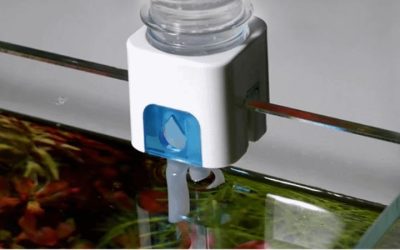
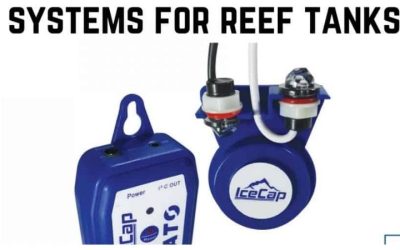
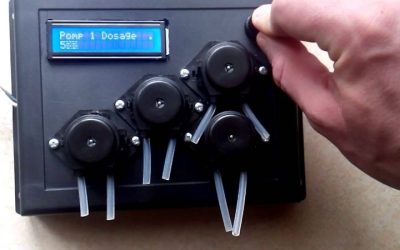
Auto top-off is often the first add-on. A Neptune ATK V2 runs about $275 and handles evaporation replacement, but it also needs a reservoir and RODI water, which carry their own cost beyond the hardware price.
A standalone ATO from another brand can be cheaper if you do not need controller integration. Decide whether tight integration or lower upfront cost matters more before adding it to the budget. A dedicated top-off tank and RODI supply add cost beyond the pump, so the ATO line item is rarely just the hardware price.
Adjust for Dosing
Dosing hardware adds the next layer. A DOS QD costs about $375 but requires an A2 or A3 Apex to run, so it only makes sense once you own the controller. Budget the reservoirs and additives it will consume, too.
If you dose only two parts, a standalone two-head pump may cost less than an ecosystem doser plus controller. Match the dosing choice to whether you are committing to a full platform or keeping it modular. Reservoirs, tubing, and two-part additive refills all follow the doser, so the recurring spend often exceeds the pump over a year.
Adjust for Testing
Automated testing is the most expensive capability. Moving from an A3 Apex to the Apex-plus-Trident bundle raises a full stack to roughly $2,000, adding automated calcium, alkalinity, and magnesium measurement.
Automated testing also consumes reagents continually, so it carries a real recurring cost on top of the hardware. Weigh that against how often you would test manually before committing to it. Automated testing pays off most on demanding SPS systems where parameters must stay tight, and least on stable, lightly stocked tanks.
Adjust for Equipment You Own
Existing gear lowers the total. If you already run compatible probes, outlets, or a reservoir, you can skip those line items and add only the modules you lack, which changes the tier estimates significantly.
Conversely, mixing ecosystems can mean buying duplicate hardware, so check compatibility before assuming savings. The cheapest path is usually to expand one platform you already own rather than straddling two. Cross-brand mixing can also complicate alerts and logging, so integration value, not just price, should guide the platform choice.
Frequently Asked Questions
People ask whether meaningful automation is possible under $500, whether an ATO can run alone, what testing costs, and what recurring supplies to expect. The answers separate one-time hardware from ongoing consumables.
Can You Automate a Reef for Under $500?
Yes, at the monitoring or basic-control tier. The A3 Apex Jr at about $325 monitors key parameters, and the HYDROS Start at about $350 adds control of up to four devices, both under $500.
Full control, dosing, and testing push well past that, so under $500 buys awareness or light switching, not a complete automated system. Start there and expand as budget allows.
Do You Need a Controller for an ATO?
Not necessarily. Many auto top-off units run standalone, though an integrated one like the Neptune ATK V2 at about $275 ties into an Apex for logging and alerts.
A standalone ATO is cheaper and simpler if you do not want controller integration. Choose based on whether you value unified monitoring or lower cost.
How Much Does Automated Testing Add?
A lot. Stepping up to the Apex-plus-Trident testing stack raises a full build to about $2,000, roughly $660 above the same stack without automated testing.
It also consumes reagents continuously, so factor that recurring cost in. If you test manually only occasionally, automated testing may not pay off yet.
What Are the Recurring Costs?
Beyond hardware, expect ongoing spending on RODI water and filters, dosing additives, and test reagents. Automated testing in particular burns reagents on every cycle, which adds up over a year.
Budget these consumables separately from the one-time hardware, since they continue for the life of the system. A cheaper controller with heavy consumables can cost more over time than a pricier one with fewer. Over several years, consumables are usually the larger share of what reef automation actually costs.
Final Thoughts
Working out how much does reef automation cost to set up means reading it as a capability ladder: about $325 for monitoring, under $350 for basic control, under $700 to under $700 for a full controller, and roughly $1,400 with ATO and dosing as dated 09/2026 examples. Add testing and it nears under $2,100. Build in order of need and budget the recurring consumables separately.
Ready to decide? Our #1 pick for 2026 is the Monitoring only.
Live price & availability on Amazon.
Related Reviews & Guides
PAR Requirements for SPS LPS and Softies: Expert Best Guide
Best Hang On Back Protein Skimmer for Reef: How to Pick