Last Updated: September 25, 2026
Best reef light controller and wifi dongle comes down to compatibility first: a controller or dongle that actually talks to your lights, runs enough channels, and holds a schedule you can trust. This guide sorts the options by need group, gives the numbers that decide fit, and flags the honest limits before you buy.
As an Amazon Associate we earn from qualifying purchases.
As an Amazon Associate we earn from qualifying purchases at no extra cost to you. Prices and availability are accurate as of the date shown and are subject to change.
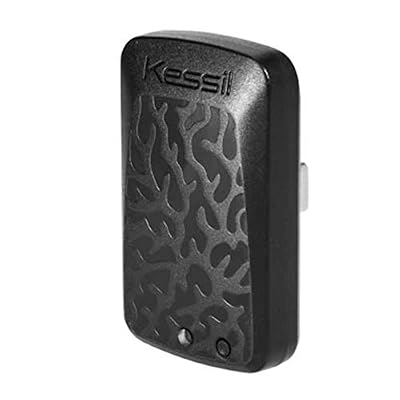
Kessil WiFi Dongle
Selected for "Best Reef Light Controller and Wifi Dongle: How to Pick": this listing is aquarium equipment (Kessil WiFi Dongle), matching the equipment this article covers.
View on Amazon
NICREW HyperReef Gen 2 Light Controller, for HyperReef Gen 2 & NavaReef
Selected for "Best Reef Light Controller and Wifi Dongle: How to Pick": this listing is lighting (NICREW HyperReef Gen 2 Light Controller, for HyperReef Gen 2 & NavaRee), matching the equipment this article covers.
View on Amazon
Kessil A360X Tuna Blue LED Light with Narrow Reflector, WiFi Dongle & Mount Bundle (4 Items)
Selected for "Best Reef Light Controller and Wifi Dongle: How to Pick": this listing is lighting (Kessil A360X Tuna Blue LED Light with Narrow Reflector, WiFi Dongle & ), matching the equipment this article covers.
View on Amazon
Kessil AP9X LED Aquarium Light & Reefractometer Bundle (2 Items)
Selected for "Best Reef Light Controller and Wifi Dongle: How to Pick": this listing is lighting (Kessil AP9X LED Aquarium Light & Reefractometer Bundle (2 Items)), matching the equipment this article covers.
View on AmazonBy David Nguyen
Quick answer: For most people in 2026, the best reef light controller and wifi dongle is the Matched brand controller — our #1 rated choice. See the full ranked comparison, alternatives and buying advice below.
A controller is only as good as its fit
The best reef light controller and wifi dongle is the one that matches your exact lights and controls all of them reliably, so start with compatibility and channel count, not features. Confirm the fit first.
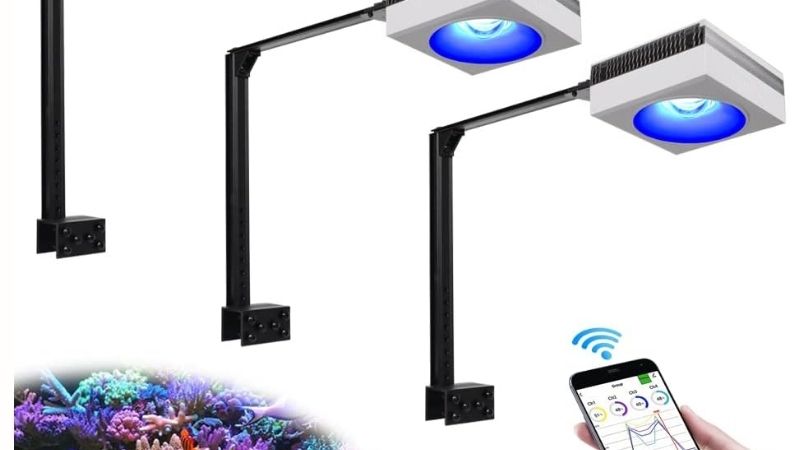
The number that decides it: compatibility and channels
Match the controller or dongle to your light’s brand and protocol first, since a dongle made for one ecosystem will not drive another. Then count the channels or fixtures it can run, and check the connection type: a wifi dongle adds app control, while a wired link is simpler and more robust.
A controller that fits the brand but runs too few channels leaves some lights unmanaged. Confirm it drives every fixture you own and any you plan to add, so you are not buying a second unit later.
Criteria beyond raw fit
Weigh local versus cloud control, scheduling features like ramps and acclimation curves, and ecosystem lock-in. Favor a controller that holds a local schedule so a cloud outage does not stop your photoperiod, and check whether it groups multiple lights cleanly.
Tank size, placement, and fit
A wifi dongle needs a stable signal to where the tank sits, and a wired controller needs a cable run to each light. Measure the distance from your router or controller to the fixtures, and confirm your exact light model is supported, before ordering, because an unsupported or out-of-range unit cannot control the lights.
Controllers grouped by setup
The best reef light controller and wifi dongle depends on your lights and how many you run, so here are picks by need. Confirm compatibility with your exact models at purchase.
For a single-brand light setup
A matched controller or dongle from your light’s maker drives it most reliably with full feature support. It fits single-brand builds. Drawback: it locks you to that ecosystem, so mixing in another brand’s light later may need a second controller.
For mixing light brands
A universal controller drives lights from several makers through common protocols. It fits mixed setups. Drawback: universal control can lose brand-specific features, and not every light exposes full control to a third-party unit.
For reliable local control
A controller that runs schedules locally, with the app only for setup, keeps your photoperiod steady if wifi drops. It fits keepers who value uptime. Drawback: local-first units sometimes trade away the fanciest remote features.
For many synced fixtures
A multi-channel controller syncs a bar array or several pucks as one system. It fits big reefs. Drawback: high-channel controllers cost more and add setup complexity across all the fixtures.
For a budget or basic need
A simple dongle that just adds scheduling to one light covers a modest tank cheaply. It fits value builds. Drawback: basic dongles offer coarse control and can be cloud-dependent, so schedules may wobble without a local fallback.
Head-to-head and when you can skip it
Choosing the best reef light controller and wifi dongle also means knowing when a controller is not needed.
Wifi dongle versus built-in wifi or a standalone controller
A dongle adds app control to a light that lacks it; built-in wifi needs no dongle; a standalone controller drives many lights at once. Match the choice to whether your light already has control and how many fixtures you must sync.
When a controller is unnecessary
If your light already schedules on its own or on a simple timer and you will not tinker, a separate controller adds little. Set-and-forget tanks often need nothing more than a reliable timer.
A cheaper or simpler route
A quality outlet timer runs a fixed photoperiod on many lights for a few dollars, with nothing to crash. If you do not need ramps or remote tweaks, a timer beats a controller on reliability and cost.
Think about the twelve-month picture too: a controller is one more piece of firmware to keep updated over a light’s multi-year life, so weigh whether ramps and remote tweaks are worth the upkeep or whether a stable timer serves your tank with less to go wrong.
Reliability, lock-in, and yearly cost
The best reef light controller and wifi dongle runs your lights daily for years, so plan for firmware, lock-in, and cost.
Where controllers and dongles fail
Apps and firmware update and can break schedules, wifi dongles lose pairing after outages, and humidity can corrode a dongle’s contacts. A controller that holds a local schedule is far more resilient, so favor local-first control and keep firmware current.
Lock-in and spare parts
A controller has no consumables, but ecosystem lock-in is the real long-term cost: a brand controller may force you to stay with that maker’s lights. Confirm it supports the lights you plan to add, so expanding does not mean replacing the controller.
Warranty, safety, and buying season
Check the warranty on the controller and dongle, and keep any leads on a drip loop with a GFCI near the tank. Reef electronics see discounts around Prime Day in late June and over Black Friday and Cyber Monday in late November; a controller is a good add-on buy then, though it does nothing to speed biology, so new corals still need weeks to acclimate to their light. Prices and specs shift, so verify compatibility at purchase.
Controller questions, answered
These come up most about the best reef light controller and wifi dongle.
Will any controller work with my lights?
No; match the brand and protocol first, since a dongle for one ecosystem will not drive another. Confirm your exact light model is listed as supported and that the controller runs enough channels for every fixture you own.
Dongle or a full controller?
A dongle adds app control to one light that lacks it; a full controller syncs many fixtures. If you run a single light, a dongle is enough; for a bar array or several pucks, a multi-channel controller is the better fit.
What happens if the wifi drops?
Favor a controller that holds a local schedule so your photoperiod continues if wifi or the cloud drops. Cloud-only dongles can lose their schedule during outages, so confirm local scheduling before relying on one over corals.
Do I even need one?
Not if your light schedules on its own or on a timer and you will not tinker. A controller earns its place when you want ramps, acclimation curves, or to sync several fixtures, not on a simple set-and-forget tank. Fit first: the best reef light controller and wifi dongle is the one that supports your exact lights.
Choosing a controller or dongle
The best reef light controller and wifi dongle is the one matched to your exact lights that runs all your channels and holds a local schedule. For a single-brand tank the matched controller or dongle is the sensible default, while a mixed setup wants a universal unit and a simple tank may need only a timer. Confirm your light models are supported and check the wifi range or cable run before ordering, since a controller that does not speed biology still cannot rush coral acclimation; verify compatibility at purchase as designs and prices change.
| Option | Key number | Suitable setup | Recurring cost | Who it is for |
|---|---|---|---|---|
| Matched brand controller | Full support, brand channels | Single-brand lights | Almost none | Single-ecosystem builds |
| Universal controller | Multi-brand protocols | Mixed-brand lights | Almost none | Mixed setups |
| Local-first controller | Runs schedules offline | Uptime-focused tanks | Almost none | Reliability seekers |
| Basic wifi dongle | Adds control to one light | Single modest tank | Almost none | Budget builds |
Ready to decide? Our #1 pick for 2026 is the Matched brand controller.
Live price & availability on Amazon.
Related Reviews & Guides

11 Best Aquarium Overflow Boxes for Sump Filtration
Best Protein Skimmer Under 500 Dollars: Top Picks Guide